 Add Row
  Add
Add 
Did you know Bangkok is the world’s most visited city according to MasterCard’s Global Destination Cities Index? This vibrant metropolis attracts more than 22 million international tourists annually—more than London, Paris, or New York. Its dazzling contrasts, exotic street food, golden temples, and pulsing nightlife make it unforgettable, but planning your first visit can be overwhelming. This essential Bangkok travel guide is your key to discovering the very best of Thailand’s capital—perfect for first-timers eager to experience the real excitement of Bangkok with zero stress.
A Surprising Fact: Why Bangkok is the World's Most Visited City
Bangkok beckons with energy like no other city in Southeast Asia. But what makes Bangkok travel a magnet for millions every year? Its irresistible fusion of ancient tradition and modern buzz creates an urban adventure unlike anywhere else. From early-morning monks collecting alms amid still neighborhoods to the after-dark chaos along Khao San Road and neon-lit rooftop bars, Bangkok has a rhythm that pulses around the clock.
Being the most visited city globally isn’t just about numbers; it’s about diversity, accessibility, and authentic experience. The city is a playground for every traveler—whether you crave ornate temples like Wat Pho and the Grand Palace, or crave shopping at floating markets and mega malls. Stay in Bangkok and you’ll quickly see why the city’s charm proves irresistible to every travel guide, drawing backpackers, families, business visitors, and foodies seeking the best street food in the world. With legendary hospitality and a culture that values both tradition and fun, you’re never far from your next adventure.
Setting the Scene: What Makes Bangkok Travel Unique?
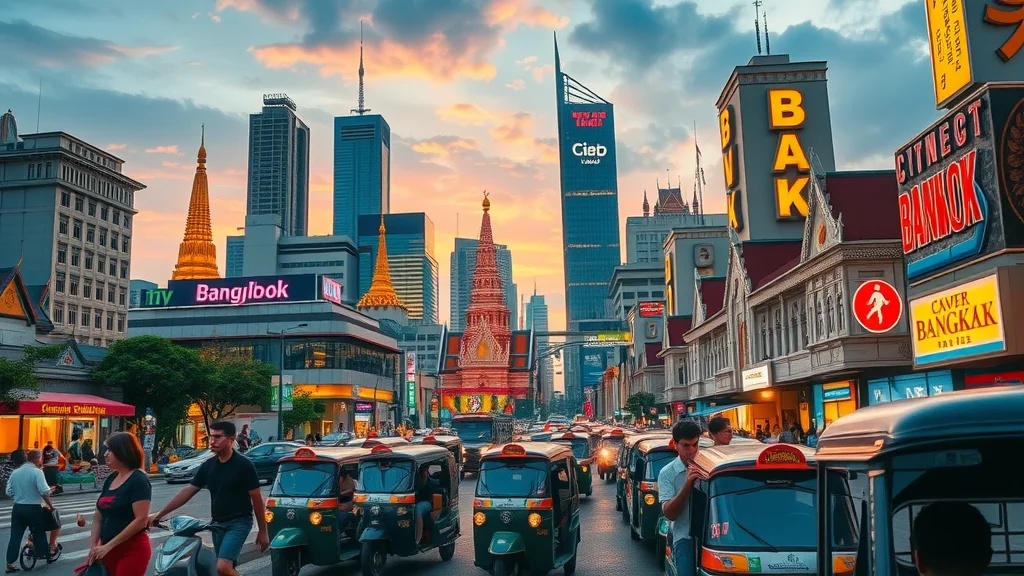
Few cities combine serene temples, flavorful cuisine, and wild nightlife as effortlessly as Bangkok. An early morning stroll might bring you to the saffron tranquility of a Buddhist shrine, while evenings pulse with excitement from bustling night markets and rooftop bars. Vendors selling mango sticky rice sit beside glittering shopping malls and sky-high apartments, mixing the old and the new.
The city’s energy is infectious, its contradictions endlessly entertaining. In one neighborhood, you’ll hear the call of a temple gong; in another, the sizzling of woks at a midnight food stall or the beat of international DJs. Bangkok travel is about discovering your own favorite “part of town”—from riverside luxury to backpacker enclaves. Its network of boats, tuk-tuks, Skytrain, and ferries ensures you can dip into any corner of local life. That sense of endless choice, set against a backdrop of golden temples and dynamic cityscapes, is what makes Bangkok travel truly unique.
What You'll Learn in This Bangkok Travel Guide
- Essential Bangkok travel tips for first-timers
- Must-see attractions like the Grand Palace, Wat Pho, and Wat Arun
- Navigating the food scene
- Where to stay in Bangkok and how to save money
- Perfect Bangkok itineraries and day trip ideas
- Practical advice for safe, smooth travel
Why Use a Bangkok Travel Guide for Your First Visit?
Planning your debut adventure in Thailand’s whirlwind capital can feel daunting. Translation: you’ll want actionable, trustworthy advice. This Bangkok travel guide is the companion you didn’t know you needed. It condenses seasoned tips, must-see highlights, and local secrets into a single, easy-to-follow resource, ensuring your first trip delivers all the culture, excitement, and value you expect—without falling prey to common pitfalls.
“Bangkok is a city where your senses are constantly engaged—from the scent of street food to the golden glow of temple spires.”
Details matter when you’re visiting a new destination. Where should you stay in Bangkok for the right balance of price and atmosphere? Which neighborhoods are best for families, solo travelers, or nightlife seekers? How do you dodge tourist traps, stay healthy, and get around efficiently? Your guide provides all those essential answers, so you’ll arrive prepared and confident—ready to enjoy Bangkok, not just survive it.
Best Time to Visit Bangkok: Timing Your Trip for the Ultimate Experience
Timing your Bangkok adventure is about more than just weather. The city is always “alive,” but each season offers distinct flavors. November to February is coolest and busiest—expect vibrant festivals, blue skies, and larger crowds at popular sites like the Grand Palace and Chatuchak Weekend Market. March to June brings sizzle and great travel deals, making it an ideal time to snag hotel bargains and enjoy fewer queues. July to October, though rainy, offers lush green scenery and frequent discounts, ideal for those wanting to save money and see a different side of the city.
Festivals and events pepper the calendar, such as Songkran (Thai New Year) and Loy Krathong (the lantern festival), providing extra cultural depth but also busier neighborhoods. Always check local holidays when booking your trip—temples may close for ceremonies, and streets can dance all night long during festivals. Whatever your choice, Bangkok never sleeps, so your visit will be thrilling no matter the month.
| Seasons in Bangkok | Weather | Pros | Cons |
|---|---|---|---|
| Cool Season (Nov–Feb) | 20–28°C | Pleasant weather, festivals | Crowded, higher prices |
| Hot Season (Mar–Jun) | 30–40°C | Fewer crowds, deals | Uncomfortably hot |
| Rainy Season (Jul–Oct) | 26–34°C | Lush scenery, discounts | Frequent showers |
Getting to Bangkok: Airports, Visas, and Arrival Tips
Bangkok travel starts at one of two main airports: Suvarnabhumi (BKK) and Don Mueang (DMK). Most international flights land at Suvarnabhumi, a sprawling modern hub with excellent transit connections. Don Mueang primarily serves low-cost airlines and budget routes, making it convenient for regional or domestic arrivals. Whether you're touching down for the famous Khao San nightlife or aiming for a riverside hotel, knowing your airport and options makes your arrival smooth.
Bangkok is visa-friendly for most tourists, but don’t assume you can waltz in—rules vary by country and duration of stay. Visa on Arrival is available for several nationalities, but it’s worth checking entry procedures in advance. Prepare customs documents, ensure your passport is valid for at least six months, and keep an eye out for common scams as you navigate arrivals. Efficient airport rail links, metered taxis, and rideshare apps make reaching your hotel straightforward, whichever airport you use.
Suvarnabhumi vs. Don Mueang Airport: Which Is Best for You?
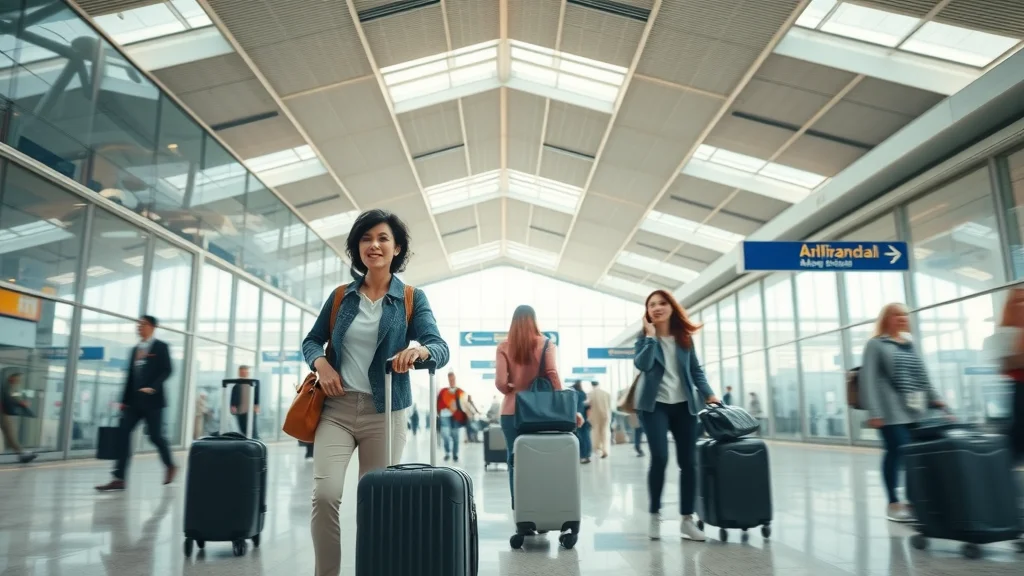
Suvarnabhumi Airport, known for its sweeping architecture and smooth Skytrain access, is the go-to for most international travelers. Expect modern facilities, clear signage, and a selection of shops and food outlets, but be ready for longer immigration queues during peak hours. For quick access to city centers like Sukhumvit or Silom, Suvarnabhumi’s Airport Rail Link is unbeatable.
Don Mueang, the city’s older airport, is favored by budget airlines and closer to certain northern city districts. While smaller and less glitzy, its manageable crowds and affordable food make it a low-stress choice for quick Bangkok travel or connecting to other parts of Thailand. Choose based on your airline and your final destination—both airports offer taxis, buses, and shuttle services for every budget.
Visa Requirements and Entry Procedures for Bangkok Travel
Tourist visas for Thailand are straightforward but vary by nationality. Most Western travelers receive a 30-day visa-free exemption, while others can apply for a Visa on Arrival at the airport. Make sure your passport has at least six months’ validity remaining, and bring proof of onward travel if possible. Immigration lines move quickly, but copy your hotel address for entry forms and keep local currency handy for taxi fare or any entry fees.
Entry procedures in this bustling city are constantly updated, so always check the Thai government website before you fly. Prepare to be greeted by friendly immigration officers and clear, multilingual signage. Efficient arrivals mean you’ll be exploring Bangkok’s top attractions—from Wat Pho to the Chao Phraya River—in no time at all.
Where to Stay in Bangkok: Neighborhood Guide for Every Traveler
Choosing where to stay in Bangkok shapes your experience more than you might expect. Each neighborhood has its distinct flavor, from the backpacker buzz of Khao San Road to luxury riverside hotels with breathtaking sunset views. Young adventurers, culture-seekers, families, and food-lovers all find their ideal base in the city’s diverse districts. Here’s a breakdown to help you pick your perfect home in the Thai capital.
Compare your priorities—nightlife, culture, convenience, or budget. Consider how you’ll travel (Skytrain, boats, tuk-tuks) and how close you want to be to highlights like the Grand Palace or Sukhumvit’s shopping malls. Booking ahead during peak seasons provides the best rates and options, while those visiting in the hot or rainy seasons can often upgrade to boutique or four-star hotels at bargain prices.
Khao San Road: Backpacker Favorite
Khao San Road is legendary among budget travelers and backpackers worldwide. This strip is alive day and night with street food carts, bustling hostels, cheerful bars, and energy that just won’t quit. Staying here puts you within walking distance of many classic tourist attractions, including the Grand Palace and vibrant street markets—everything is at your feet. The area is expertly set up for travel guide seekers; services cater to all, and prices are low, making it easy to save money and soak up the “gap year” vibe.
Hostels and basic guesthouses dominate, but there’s a growing number of boutique properties for travelers seeking a splash of comfort without sacrificing fun. Some streets remain lively until sunrise, so if you’re a light sleeper, check for quieter spots just off the main road. It’s the spot to mingle with fellow backpackers, swap travel stories, and join night tours to take in Bangkok's famous street food scene.
Sukhumvit: Nightlife, Shopping, and Convenience
Sukhumvit Road is a cosmopolitan avenue beloved by expats, shoppers, foodies, and nightlife lovers. Skyscrapers loom above international hotels, swish shopping malls, and restaurants where you can sample everything from traditional Thai dishes to modern global cuisine. Access to BTS Skytrain stations makes getting around from this part of town a breeze—most Bangkok travel guide itineraries recommend this district for its convenience and comfort.
This neighborhood blends stylish hotels with trendy bars, nightclubs, and scenic rooftop bars that overlook the dazzling city lights. Family-friendly malls like Terminal 21, local markets, and parks add a balanced urban vibe. Though a bit pricier than other areas, deals can be found, especially for early bookings or during quieter travel periods.
Silom and Sathorn: Business Meets Culture
By day, Silom and Sathorn shimmer as Bangkok’s financial pulse, with glassy office towers and hotels hosting business travelers. After dark, Silom transforms—Patpong Night Market, spectacular restaurants, and bustling bars make it a prime nightlife destination. The area is home to must-see sites like Lumpini Park and easy access to both BTS and MRT subway lines.
Silom and Sathorn are also gateways to historic temples, hidden food gems, and riverside strolls. This area offers a good balance for those who want both cultural attractions and modern amenities. You’ll find upscale boutique hotels, co-working cafes, and diverse street food a stone’s throw away from important city landmarks.
Riverside: Luxury and Views
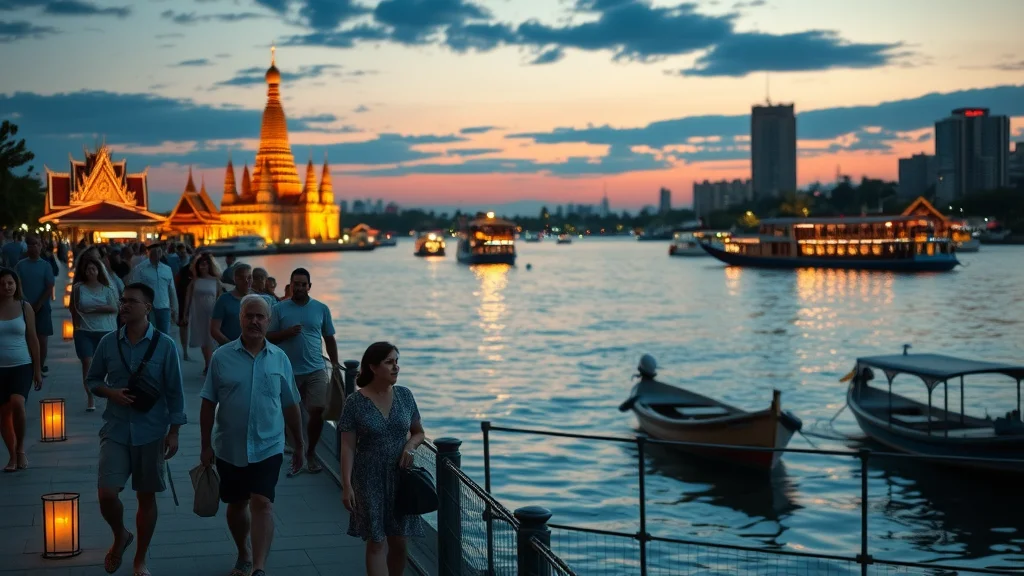
Longing for sunset panoramas and peace after a wild day of exploring? The Chao Phraya Riverside is the address to remember. High-end resorts and boutique hotels here offer spectacular views of the city, the gliding boats, and illuminated temples at dusk. The river’s cool breezes and resort pools provide a blissful escape, making it ideal for couples, families, or anyone planning a special occasion in their Bangkok travel.
With ferries and shuttle boats connecting to iconic attractions like Wat Arun and the Grand Palace, riverside stays let you sightsee in style. The area’s luxury factor often comes with premium price tags, but deals surface in the rainy season and with advance booking. Walking along the promenade here, you’ll truly appreciate the city’s famous hospitality and the magical contrast of ancient temples and futuristic skyscrapers.
Chinatown and Ba Hao: Historical Charm and Culinary Delights
Chinatown pulses with the aromas of sizzling woks, incense from hidden shrines, and the clatter of merchants trading gold and rare spices—all set amid photogenic shophouses. The Ba Hao district within Chinatown is especially famous for its creative cocktail bars and fusion cafes. This is the place to sample Southern Chinese dim sum, traditional Thai snacks, and street food in one wild culinary adventure, all without breaking the bank.
The area bustles into the night markets and moves at a slightly slower pace than Sukhumvit or Silom, making it perfect for culture lovers and food fans. Boutique hotels and hostels in historical buildings add atmosphere, while proximity to historic temples and local museums ensures you’ll pick up stories with every stroll. Chinatown is where the city’s old soul still lives, making it a favorite feature in every expert bangkok travel guide.
- Compare hotel options in each district
- Hostels vs. boutique hotels vs. luxury
- Tips to book and save money
Bangkok Travel Guide: Top Must-See Attractions
Bangkok wraps its treasures in gold leaf and spices them with centuries of captivating history. No travel guide would be complete without these dazzling sights: wondrous wats (temples), riverside markets, and famous thoroughfares packed with nightlife. Squeeze these sights into your Bangkok itinerary to capture the very heart and soul of Thailand’s capital city.
Here are the unmissable stops, from the iconic Grand Palace to the bustling floating markets and energetic Khao San Road. Reserve time for each—every location tells its own remarkable story, guaranteed to enrich your travel experience and Instagram feed alike.
The Grand Palace and Its Dazzling Architecture
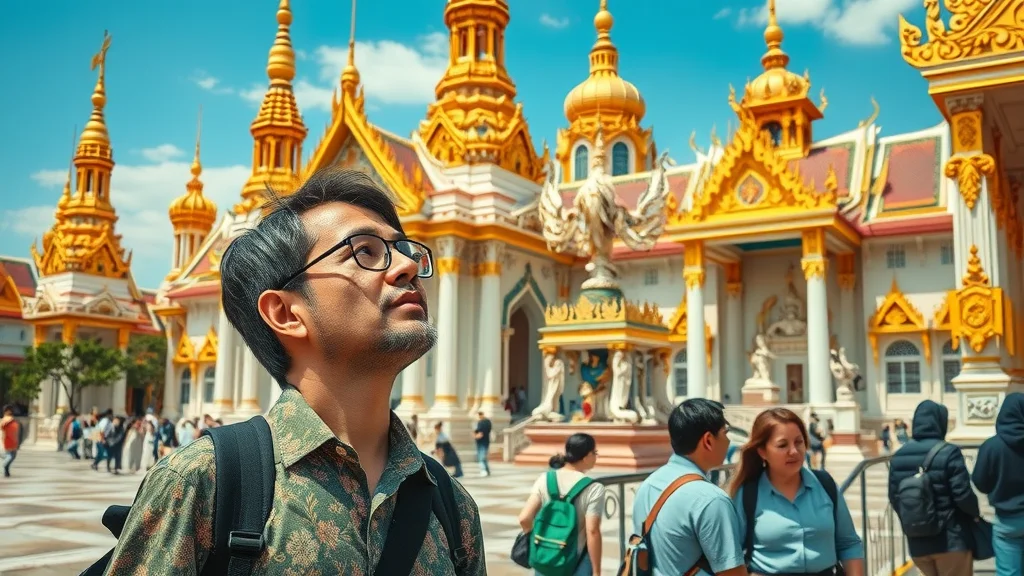
A masterpiece of sparkling mosaics, gilded spires, and royal history, the Grand Palace is the shining centerpiece of any Bangkok travel guide. Step inside and marvel at the Emerald Buddha, explore throne halls lined with gold leaf, and stroll lush courtyards reminiscent of ancient Siam royalty. The detail and craftsmanship will leave you breathless, so allow a few hours—early mornings offer cooler temperatures and lighter crowds.
Strict dress codes apply: cover shoulders, knees, and remove shoes before entering certain halls. The palace complex sits near the bustling riverside, close to Wat Pho and Wat Arun, allowing a seamless walk between the city’s most Instagrammable landmarks. Guided tours provide historical perspective and secret folklore, turning every jeweled corridor into a living storybook.
Wat Pho and the Reclining Buddha: A Spiritual Highlight
Wat Pho is the heart of Thai spiritual culture and home to the breathtaking Reclining Buddha—a solemn giant stretching 46 meters, shrouded in gold leaf with mother-of-pearl soles. It’s Thailand’s first public university, renowned for traditional Thai massage, tranquil gardens, and ancient murals. The peace within its grounds contrasts perfectly with frantic street life outside.
This iconic Buddhist landmark is a short walk from the Grand Palace, making it a centerpiece of any Bangkok itinerary. The temple welcomes all visitors, asking only for respectful attire and hushed tones. After soaking in its spiritual air, reward yourself with an authentic Thai massage at the temple’s school—a unique treat referenced in every reliable Bangkok travel guide.
Wat Arun: The Temple of Dawn
Few sights in Southeast Asia compare to the rising sun shimmering across the porcelain-spired Wat Arun. The Temple of Dawn stands majestically on the bank of the Chao Phraya River, its towers clad in seashells and porcelain mosaics. Early mornings or sunset are supreme moments to visit—when the main stupa glows with soft golden light, reflecting beautifully over the river.
Climbing the central prang rewards you with panoramic views of the city skyline and winding river, a perfect photo op beloved by city guides and influencers alike. The temple is easily reached by river ferry, linking with other major sites—combine your stop here with Wat Pho or a floating market adventure for a classic Bangkok day trip.
Khao San Road: Unmissable Nightlife and Street Food
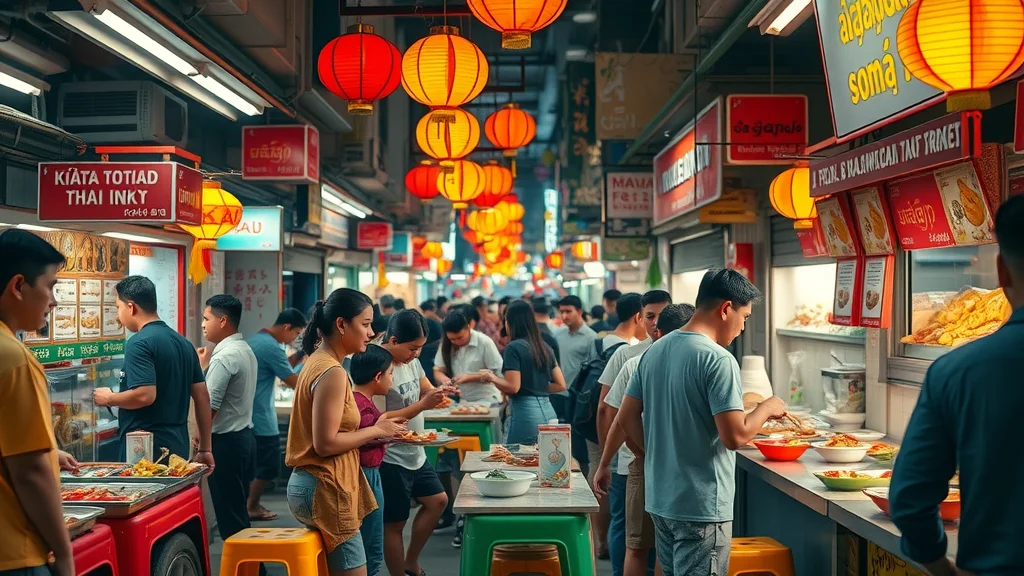
Experience the kaleidoscope of cultures and endless food scene of Khao San Road, where anything goes after sundown! Legendary among backpackers and partygoers, this bustling avenue bursts into color at night, with food stalls, open-air bars, souvenir shops, and impromptu DJ sets. Try street food creations, from Pad Thai to mango shakes, at prices budget travelers love.
The excitement pulsates from sunset ‘til dawn—perfect for travelers eager to meet new friends and create unforgettable stories. Street performances, affordable tailors, tattoo parlors, and quirky hostels give every night a festival vibe. While it’s tempting to bar-hop endlessly, keep your belongings secure, and wander into adjacent lanes for quieter moments or niche cocktail bars.
Floating Markets: A Unique Bangkok Travel Experience
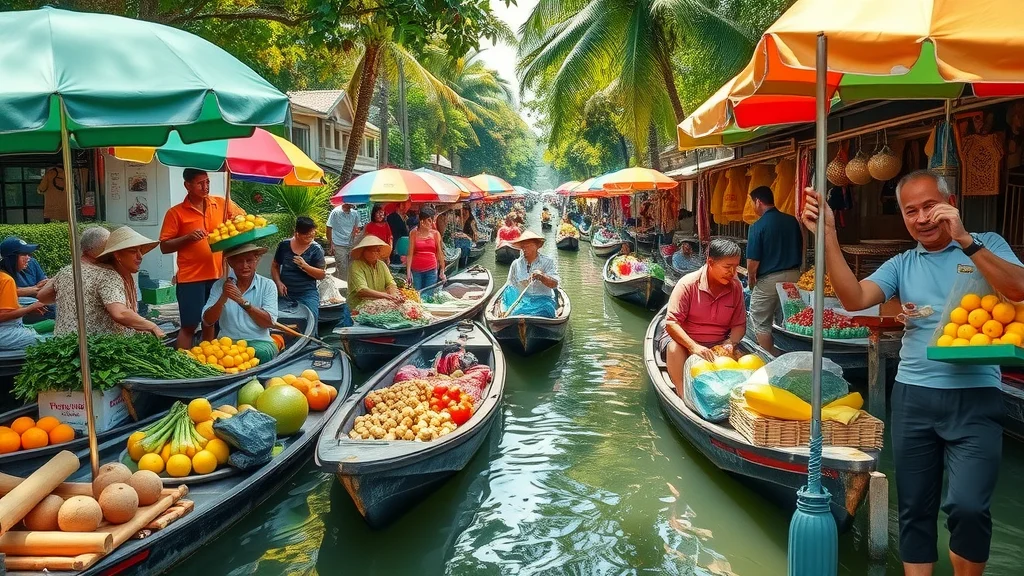
A wonder straight from a travel guide, Bangkok’s floating markets blend commerce with culture, offering a trip back in time to when the city’s “streets” were rivers. Visit Damnoen Saduak, Amphawa, or the smaller Taling Chan for a dazzling spectacle: vendors paddling boats loaded with tropical fruits, spicy yum salads, and fragrant soups.
Arrive early when the waterway bustles with trading and the best bargains. Beyond shopping, floating markets provide insights into traditional Thai life and are a highlight for those planning a day trip. Some markets light up for “night river markets” on weekends, adding a magical twist to your itinerary.
Bangkok Travel Guide Video Overview
Get an at-a-glance visual intro! This video montage covers must-see sights like the Grand Palace, Wat Pho, and Khao San Road; ride with tuk-tuks, explore rooftop bars at sunset, marvel at street food chefs, and glide along the river—all in seconds. See Bangkok’s energy come alive before you travel.
Exploring the Food Scene: Dishes, Markets, and Hidden Gems
Bangkok is a food-lover’s dream, boasting Michelin-starred gourmet temples and street stalls with lines around the block. Every travel guide heaps praise on the city’s “food scene,” where culinary tradition meets creative invention in every market, alley, and trendy café. No visit is complete without sampling a spicy Tom Yum, crispy Pad Thai, or coconut-rich Thai desserts, all at a fraction of what you’d pay in the West.
Adventurous eaters can discover hidden gems in Chinatown or feast on dazzling international menus in Sukhumvit’s cosmopolitan restaurants. Whether you’re vegetarian, halal, or all-in for samplings, every appetite finds satisfaction in Bangkok.
Don’t Miss Street Food: Pad Thai, Som Tam, and More
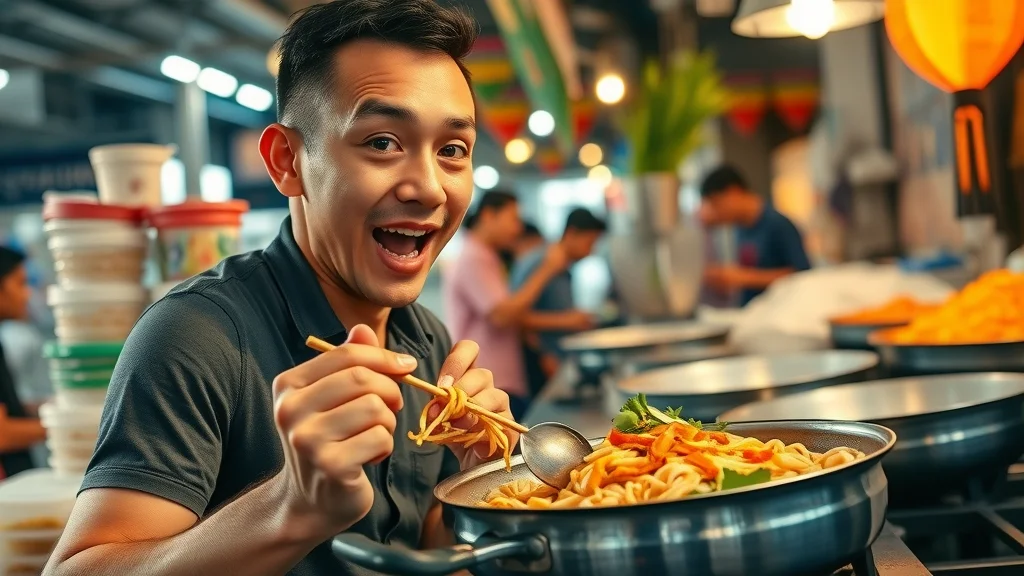
Street food is the heart of Bangkok’s culinary identity. Stop by the nearest cart for freshly wok-tossed Pad Thai, tangy Som Tam (papaya salad), crunchy spring rolls, or golden Thai pancakes. Khao San Road, Silom, and Sukhumvit offer endless curbside tables where you can savor authentic tastes for just a dollar or two.
Street food isn’t just cheap; it’s a social event. Join the locals, listen for sizzles, and allow your nose to lead you. Most food stalls are open until late, perfect for post-rooftop bar snacks or night market adventures. For reliable hygiene, choose places with busy lines—if locals trust it, you’re golden. And remember: never skip the mango sticky rice!
Upscale Dining and Café Culture
Bangkok’s fine dining scene is world-renowned, packed with celebrity chef restaurants and innovative tasting menus that fuse Thai tradition with global flair. On Sukhumvit or Sathorn, savor multi-course feasts, rooftop restaurants with sweeping views, and Italian bistros set in lush gardens. Travel guide tip: book tables early for places with sunset skyline views or Michelin stars.
Café culture is just as strong. Cozy up in a laneway espresso bar in Thonglor, or snap pictures at Insta-inspired brunch spots. Blend the two for an easy day—morning markets followed by lazy afternoons sipping locally grown coffee or artisan desserts.
Vegetarian and Halal Eats in Bangkok
Plant-based travelers and those following halal diets will be spoiled for choice in Bangkok. Dozens of veggie-friendly restaurants span Old City to Silom, offering curries, tofu stir-fries, and health-forward street bowls. Major shopping malls and markets often have international and Muslim-friendly options, while Chinatown is packed with Buddhist vegetarian noodle shops.
“Bangkok’s food scene is a tapestry woven from centuries of culinary tradition and innovation.”
Look for the “เจ” (jay) sign for vegetarian restaurants, and always specify dietary restrictions. The city’s multicultural community ensures halal food is easy to locate—especially near mosques or close to Pratunam and Silom. If in doubt, ask hotel staff for their latest recommendations.
Navigating Bangkok: Transportation Tips and Tricks
Bangkok’s traffic is world-famous—sometimes infamous—but with the right tips, you’ll glide around without a hitch. The BTS Skytrain and MRT Subway are the city’s quickest ways to dodge bottlenecks and reach most attractions, while buses offer the cheapest rides for longer journeys. Tourist Boat services along the Chao Phraya River add a scenic detour and connect you to the Grand Palace, night markets, and more.
Tuk-tuks, taxis, and rideshare apps provide on-demand convenience, but be prepared for variable pricing and, at times, enthusiastic bargaining. Always insist on meters for taxis, agree on tuk-tuk fares in advance, and use Google Maps to check traffic. Savvy travelers combine multiple modes—Skytrain, river ferry, and tuk-tuk—turning every ride into part of the adventure.
BTS Skytrain, MRT Subway, and Buses
The BTS Skytrain and MRT Subway systems are the backbone of efficient city movement, connecting shopping malls, major attractions, and prime neighborhoods like Silom, Sukhumvit, and Chatuchak Weekend Market. Purchase a Rabbit Card for seamless travel or buy single fares for occasional rides. Trains run from early morning to midnight, are clean and air-conditioned, and avoid the traffic snarls above ground.
Buses are extensive and cost-effective, reaching corners Skytrain can’t. Routes are displayed in English and Thai, making route planning easier for newcomers. While slower during rush hour, buses provide a classic Thai experience and are best for connecting to outlying markets or floating market day trips.
Tuk-Tuks, Taxis, and Rideshare Apps: Pros and Cons
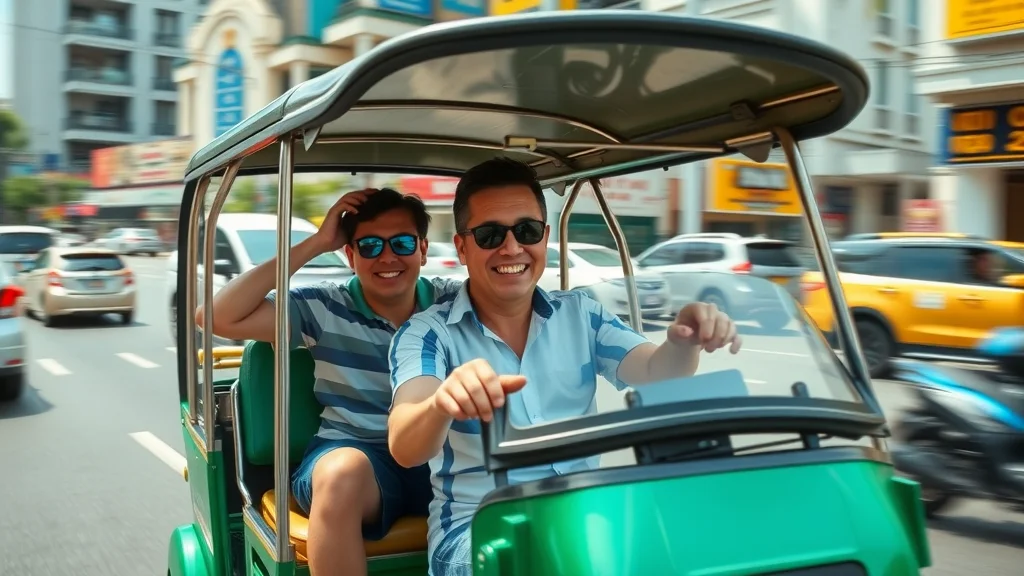
Riding a tuk-tuk is an unmissable Bangkok rite of passage. These colorful three-wheelers dash between markets, temples, and hotels, offering lively, direct rides for a few dollars. Negotiate fares in advance, and prepare for exhilarating, open-air rides. Taxis are abundant and metered—insist the driver uses the meter, or hail a Grab rideshare for fair, pre-set pricing.
Rideshare apps like Grab or Bolt are reliable and transparent, especially at night or for longer distances. While tuk-tuks are exposure-prone (great in cool weather, sticky in hot season), taxis and rideshares offer air-con comfort. All are easy to access from airports, hotels, or central attractions.
Boats and Ferries Along the Chao Phraya River
Boat rides rank among Bangkok’s most picturesque ways to explore: glide along the Chao Phraya River to ancient temples, bustling markets, and luxury riverside hotels. Regular ferries cost just a few baht—far less than taxis—and avoid street traffic altogether. Tourists flock to hop-on-hop-off “Express Boats,” which stop at prime attractions like the Grand Palace, Wat Arun, and Asiatique night market.
For a cultural treat, catch a longtail boat tour or evening dinner cruise. Remember, river travel is most scenic near sunset, with golden spires of temples reflecting off the water. One ride on the Chao Phraya, and you’ll see why every Bangkok travel guide includes a river view on its highlight reel.
Save Money While Getting Around in Bangkok
Bangkok rewards wallet-wise travelers with countless ways to save money. Start by using the BTS/MRT rather than taxis for most journeys—fares are low and predictable. Pick up discount passes for unlimited transit rides (Rabbit Card, MRT Tourist Card), and take boats for scenic, cost-effective journeys along the river.
Eat like a local at street markets, avoid tuk-tuks for long distances, and use rideshare apps during rush hour to skip fare haggling. Many attractions offer combo passes or student/senior discounts—check their official sites in advance. With a little planning, you’ll keep both your time and your budget safe.
Bangkok Itinerary Essentials: 1, 3, and 5-Day Plans
- Day 1: Temples and Old City
- Day 2: Markets, Food, and Rooftop Bars
- Day 3: Day Trips and Local Culture
- Bonus: Five-day expanded itinerary for deep exploration
Whether you have a single whirlwind day or an entire week, the Bangkok travel guide has you covered. Start with the essentials: Grand Palace, Wat Pho, and Wat Arun. Add in local markets and a night at a rooftop bar on Day 2. Devote third-day escapes to a floating market, Ayutthaya ancient city, or jungle temples—classic day trips just outside the metropolis.
Those with five days or more can dive deep: explore Chatuchak Weekend Market, Chinatown’s secret eateries, or take boat trips to riverside villages and nature parks. Mix and match according to your interests—Bangkok’s layers are endless!
Day Trips from Bangkok: Floating Markets, Ancient Cities, More
Easy day trips multiply your adventure. Sail to Damnoen Saduak or Amphawa floating markets for a taste of river life and old Siam. Visit UNESCO-listed Ayutthaya and explore ancient ruins and royal temples—history at its most photogenic. Erawan National Park and Maeklong Railway Market offer stirring day chances to see countryside life and unusual cultural spectacles.
Travel guides often recommend booking a reputable tour to optimize transport and commentary, but independent journeys by train, bus, or rideshare are equally possible with a bit of planning and a GPS-enabled map. Schedule departures early in the morning to beat crowds and heat.
Bangkok Itinerary Ideas for All Interests (Family, Culture, Shopping)
Families gravitate to kid-friendly spots like SEA LIFE Bangkok, Dusit Zoo, and Lumpini Park. Culture aficionados can add art museums, live dance shows, and riverside shrines to their list. Devoted shoppers should allocate full days to Chatuchak Weekend Market or mega malls (MBK, Siam Paragon, CentralWorld) for the ultimate shopping haul. No matter your passion—food, culture, or nightlife—Bangkok serves up endless options for every type of traveler.
Balance your schedule between bucket-list classics and unexpected side streets. It’s the detours—random market stalls, riverside banter, artisanal cafes—that transform a good trip into a great one.
Bangkok Nightlife: Rooftop Bars, Night Markets, and Entertainment
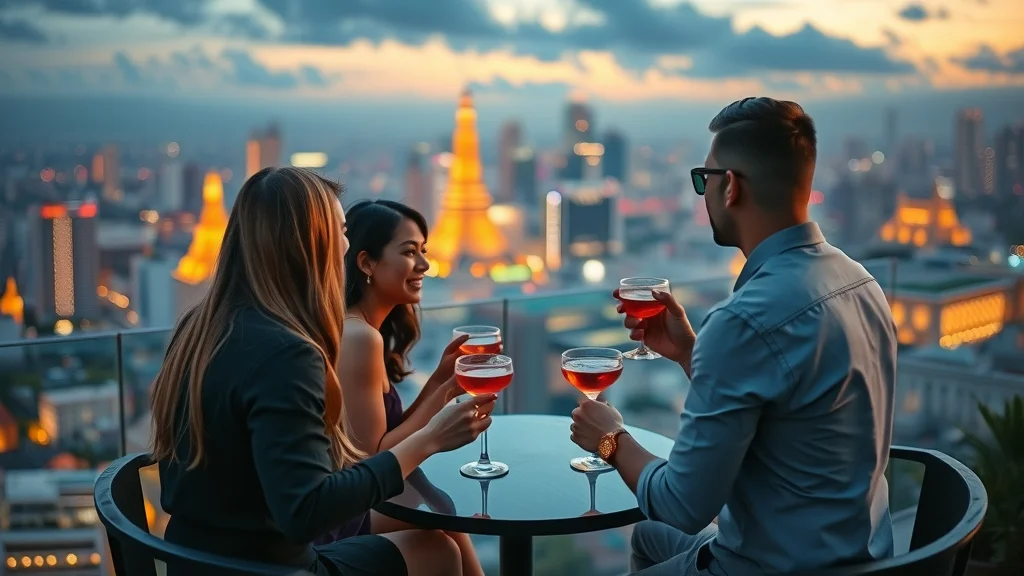
As twilight falls, Bangkok’s energy surges to new heights. The city’s nightlife is legendary: think rooftop bars with panoramic views, bustling night markets, street musicians, and karaoke lounges. Start your evening with sundowner cocktails on a sky-high terrace, grab dinner at an artsy night market, and end at an open-air club—all within a few BTS stops.
Markets like Asiatique, Rot Fai, and Khao San Road offer street eats and quirky shopping late into the night. Add in live jazz, river cruises, and night temples, and you’ve barely scratched the surface of what makes Bangkok after dark truly exhilarating.
Best Rooftop Bars for a Bangkok Sunset
Bangkok skyline sunsets are best savored cocktail-in-hand on one of the city’s famed rooftop bars. Vertigo at Banyan Tree, Sky Bar at Lebua, and Octave Rooftop at Marriott Sukhumvit are perennially ranked in top travel guides—dress smart, arrive early, and prepare for jaw-dropping views and a photogenic experience. Many bars host happy hours with deals on drinks and appetizers.
Each rooftop locale offers its own personality, from chic pool decks to glitzy glass terraces and trendy DJ nights. Bring your camera—the skyline photos are almost as intoxicating as the customized craft cocktails.
Night Markets and After-Hours Eating
No Bangkok travel guide is complete without raving about the city’s night markets. Chatuchak transforms into a twilight bazaar on weekends, while Rot Fai and Asiatique mix vintage goods, local labels, and gourmet bites into the late hours. Even after midnight, you’ll find food carts grilling satay and dishing up spicy noodles wherever crowds gather.
Night markets offer more than shopping—they’re where locals eat, socialize, and celebrate. Wander the aisles with a bowl of noodles, pick up handmade trinkets, and sample creative street desserts. Perfect for spontaneous adventures and an immersive taste of everyday Thai life.
Check out our video for street-level insights, travel safety tips, and hidden local wisdom to help you navigate the city with confidence. Learn how to avoid common scams, respect local customs, and stay healthy, ensuring your memories of Bangkok are extraordinary for all the right reasons.
Shopping in Bangkok: From Markets to Mega Malls
Bangkok is a paradise for bargain hunters and label chasers alike. Sprawling markets, chic boutiques, and glittering shopping malls let you scoop up everything from handmade souvenirs to the latest fashion trends. Whether you want vintage finds at Chatuchak Weekend Market, Thai silk on Silom, or designer loot at Siam Paragon, the options are limitless.
Many malls cluster along Sukhumvit and Pratunam, while open-air markets like Chatuchak or Artbox offer epic browsing under the stars. Always practice your haggling skills—you’ll be surprised how much you can save money.
Chatuchak Weekend Market and Platinum Fashion Mall
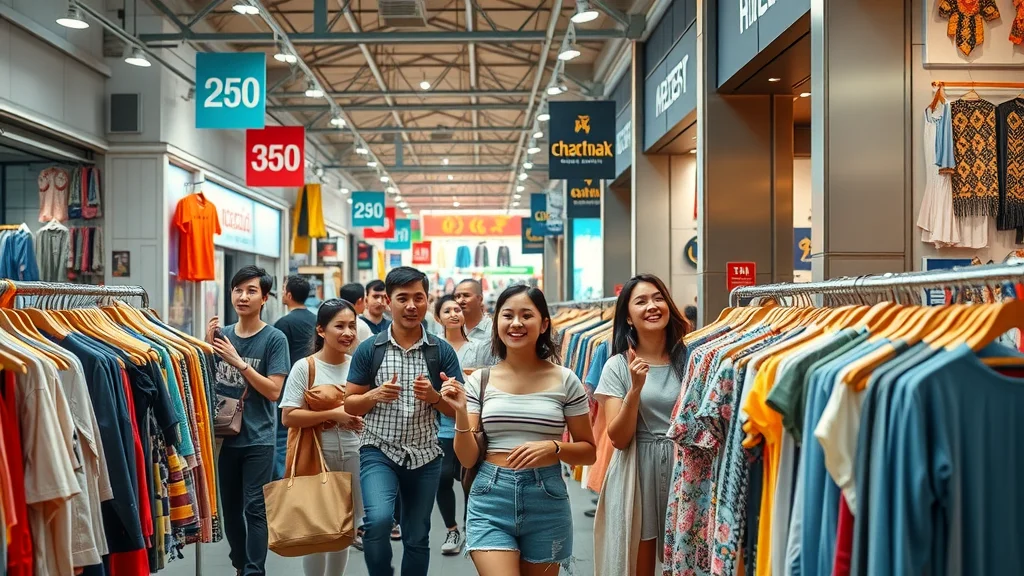
Chatuchak Weekend Market is Bangkok’s shopping legend. With over 8,000 stalls selling everything from vintage jeans to pet squirrels, it’s easy to lose a day in its labyrinthine aisles. Arrive early, wear comfy shoes, and follow the crowds to delicious street snacks when you need a break. Pratunam’s Platinum Fashion Mall, just a few Skytrain stops away, is a modern mega-mall with six floors of on-trend boutiques, air-conditioned comfort, and food courts.
Chatuchak is especially lively Saturday and Sunday, while Platinum is a year-round shopping heaven. Both offer ample opportunities to save money—just remember cash is king in the markets, while cards work best at big malls.
Souvenirs and What to Buy
From aromatic teas to hand-painted ceramics, Bangkok is a souvenir wonderland. Markets and malls overflow with Thai silk scarves, carved wooden elephants, spa products, and Buddha amulets. Always check for authenticity and quality—examining labels and shopping where locals do pays off. For something unique, seek out indie designers or artisan collectives in Siam Square or Talad Rot Fai.
If you’re transporting items home, remember customs rules—antique Buddha images and certain wildlife products are restricted. Otherwise, fill your bag with flavors, textiles, and memories of your Bangkok journey.
Staying Safe in Bangkok: Scams, Health, and Cultural Norms
Bangkok is safe for most travelers, but it pays to stay aware. Keep your belongings secure in crowds, and beware of tuk-tuk drivers offering suspiciously cheap tours—classic “gem scams” still operate near main tourist sites. Drink bottled water, use sunscreen, and seek local clinics for minor ailments.
Respect cultural norms, especially at temples—dress modestly and remove shoes. Smiling and politeness go far in Thai society. With basic precautions, your stay in Bangkok can be as safe as it is thrilling.
How to Save Money with This Bangkok Travel Guide
- Best value hotels and guesthouses
- Cheap eats and restaurants
- Discount passes and travel hacks
- Ways to avoid common tourist traps
Use the BTS/MRT instead of taxis, eat at street markets, and opt for combo passes to attractions. Book hostels or guesthouses in advance, especially around festivals. Shop with a smile and politely negotiate at markets. Being savvy lets you stretch your budget further—travel like a local, not a tourist.
People Also Ask: Bangkok Travel FAQ
What is the best month to visit Bangkok?
The best month for Bangkok travel is typically January, when the weather is cool (20–28°C), humidity is low, and festivals are in full swing. November to February is considered the “cool” season, offering ideal conditions for sightseeing, outdoor activities, and comfort. It’s also peak season, so book accommodation early and expect larger crowds at top attractions.
How many days do you need in Bangkok?
For first-timers, three to five days strike the perfect balance: enough to see major sites like the Grand Palace, Wat Pho, Wat Arun, and Khao San Road, plus time for a floating market or day trip. Short visits (1–2 days) focus on highlights; longer stays allow deep dives into food markets, hidden temples, and local nightlife.
Is Bangkok safe for solo travelers?
Bangkok is generally very safe for solo travelers, including women. Exercise basic travel caution (avoid deserted lanes at night, keep valuables secure, and use licensed transportation). Locals are friendly, and English is widely spoken in tourist areas. Most scams target wallets, not safety, so keeping an eye on goods is key.
How should I dress at temples in Bangkok?
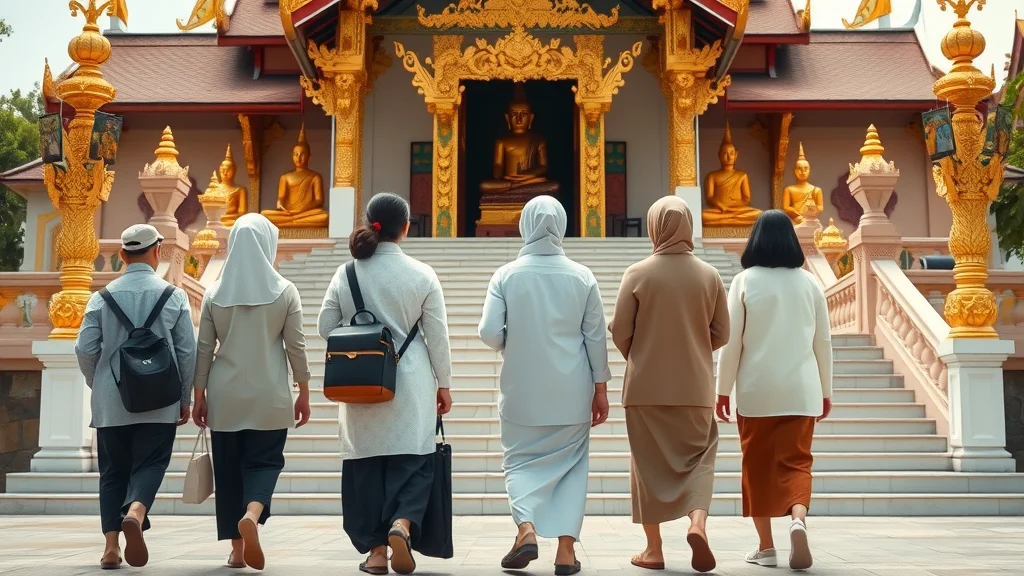
Dress modestly for temple visits: shoulders covered, long pants or skirts, no hats or sleeveless tops. Remove shoes before entering temple buildings and remain respectful in speech and behavior. Light cotton fabrics are comfortable for Bangkok’s climate, and a shawl or light scarf is handy for covering up when needed.
Bangkok Travel Guide: Key Takeaways for First-Time Visitors
- Plan ahead with this Bangkok travel guide for a stress-free trip
- Experience culture, cuisine, and adventure in every corner
- Save money and travel like a local with smart tips and insights
Please like, share and comment on this article
With a well-planned Bangkok travel guide, your adventure promises excitement, comfort, and authentic discovery—making your first experience in this spectacular city truly unforgettable.


Write A Comment