 Add Row
  Add
Add 
Did you know Singapore consistently ranks among the world’s top 10 safest countries, with crime rates so low even locals leave their phones unattended in public? It’s one of many compelling safety facts across Southeast Asia — a region that surprises travelers with its peacefulness and robust security, even in the most energetic cities. In this guide, you’ll uncover surprising data, expert perspectives, and practical travel safety tips that will help you confidently explore safe destinations in southeast asia, whether you’re a solo adventurer or planning family holidays. Let’s dive into the peaceful heart of Asia’s most welcoming destinations and discover where your next worry-free trip could begin.
Exploring Safe Destinations in Southeast Asia: Surprising Safety Facts
Southeast Asia often evokes images of vibrant street markets, historic temples, and tropical beaches, but its safety profile is just as impressive as its scenery. According to the latest Global Peace Index (GPI), several countries in southeast asia outpace global averages in peace, low violent crime, and stable infrastructure. This means that not only are popular tourist spots thriving, but they’re also backed by robust security and community support, making them excellent choices for travelers prioritizing safety. With visible police presence, active neighborhood watches, and trustworthy public transport, cities like Singapore, Kuala Lumpur, and Hanoi attract millions of visitors who prioritize peace of mind on their journeys.
Many travelers are surprised to learn that urban areas in the region employ cutting-edge surveillance, and governments frequently collaborate on regional security, enhancing safety well beyond “touristy” zones. While perception can differ from reality, data shows that these countries have successfully managed natural disasters, adapted public health systems, and fostered a culture that welcomes visitors respectfully. This holistic approach results in an environment where you can immerse in local traditions, experience urban adventures, or relax on islands — all with minimal risk.
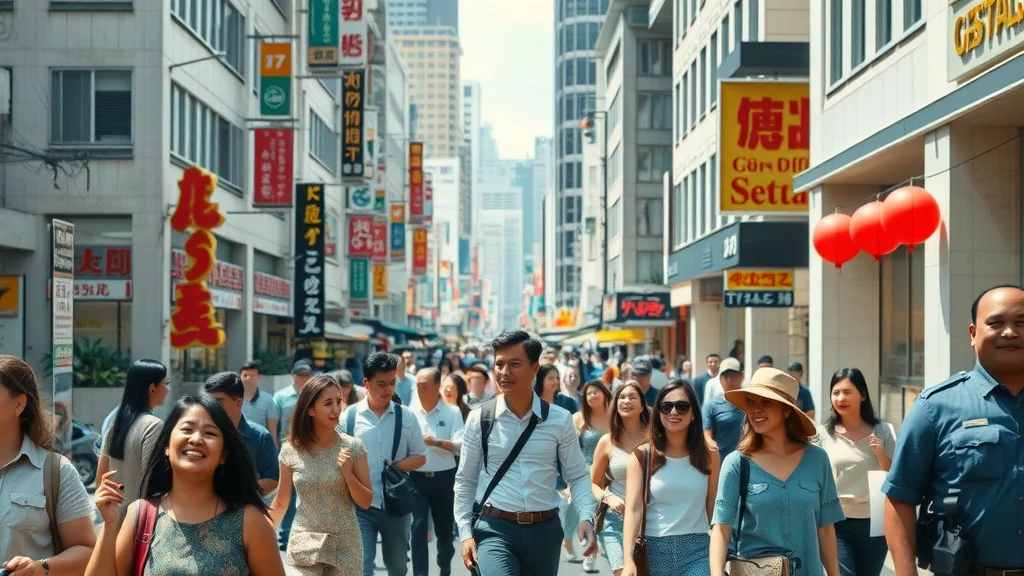
A Remarkable Statistic: Southeast Asia’s Global Peace Index Rankings
The Global Peace Index provides an annual measurement of safety, ranking countries based on factors like violent crime rates, political stability, and ongoing conflict. Southeast Asia continues to shine, with Singapore, Malaysia, and Vietnam ranked above regional and global averages for safety in 2024. For example, Singapore’s GPI score regularly rivals that of top East Asian countries, and even bustling cities like Kuala Lumpur have surpassed many Western destinations in peace index metrics. With a decline in petty theft and improvements in public safety protocols, travelers are finding that a southeast asian adventure doesn’t have to come with risks.
These rankings are bolstered by reports from global agencies and personal travel accounts. For instance, recent years have seen Vietnam’s rapid rise in safety, attributed to better law enforcement and community engagement, while Cambodia’s Siem Reap is noted for extremely low violent crime. The numbers aren’t just abstract—they reflect a lived reality where travelers enjoy peace of mind, and the region itself is showcased as a global model for how smart management can ensure the well-being of both visitors and locals in southeast asian countries.
What You'll Learn About Safe Destinations in Southeast Asia
- Understand how major southeast asian and east asian countries rank by Global Peace Index (GPI).
- Identify safest countries in southeast asia with the lowest crime rates.
- Learn key travel safety tips for top destinations in southeast asia.
- Gain insights into local culture, natural disasters, and how these impact traveler safety across asian countries.
- Make informed travel choices by comparing southeast asia with other countries in asia.
Understanding What Makes Safe Destinations in Southeast Asia
What exactly makes certain countries in Southeast Asia stand out as safe destinations? The answer lies in a combination of quantifiable metrics—like the GPI score and crime rate statistics—and qualitative factors such as strong health systems, local hospitality, and clear traveler information. Countries like Singapore, Malaysia, and Vietnam invest significantly in policing, community well-being, and emergency response, helping mitigate risks from natural disasters or sudden public health concerns. When you arrive at a modern Southeast Asian airport, the effectiveness and transparency of local security measures become immediately apparent, reinforcing that safety isn’t about luck, but careful planning.
Beyond policies and infrastructure, everyday practices across southeast asian countries ensure a safer environment. Many cities operate open public spaces with reliable lighting, around-the-clock staff at tourist attractions, and visible emergency services. Health infrastructure—critical during global health crises—has also improved across the region, with countries prioritizing hospital access and emergency response. This focus places certain countries consistently at the top of global peace and safety rankings, making them attractive not just for leisure but also for solo travel or family vacation plans in southeast asia.
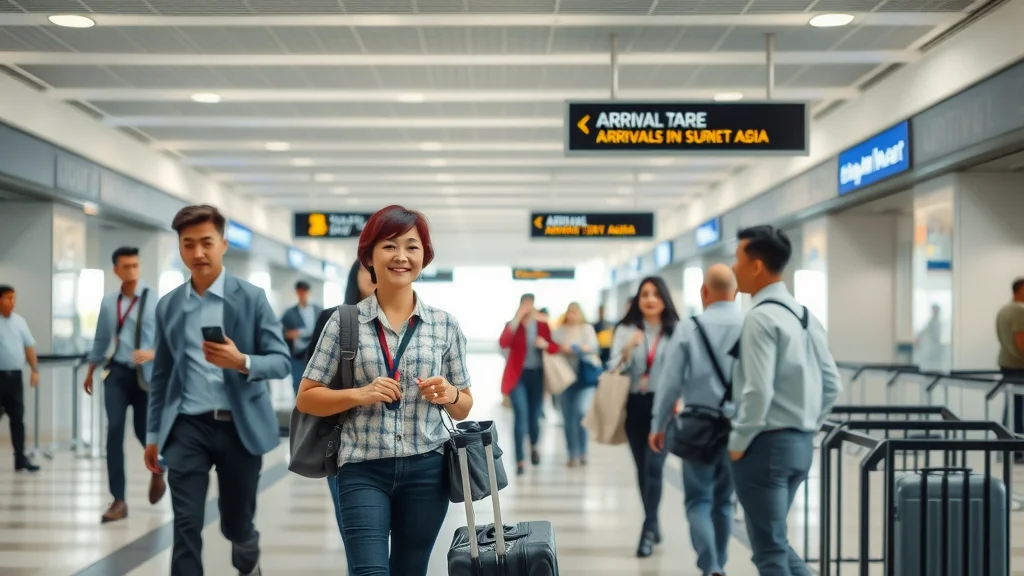
Criteria for Safety: GPI Score, Violent Crime Rates, and Health Infrastructure
When evaluating the safest destinations in southeast asia, three main criteria come into play: the Global Peace Index (GPI) score, violent crime rates, and the robustness of health infrastructure. The GPI ranks countries based on safety indicators such as the risk of violent crime, political stability, and the strength of judicial systems. For example, Singapore consistently leads with exceptionally low rates of both violent and petty crime, earning it a top GPI score. Malaysia and Vietnam also perform well, with steady declines in crime and well-resourced hospitals supporting traveler health and peace of mind.
Health infrastructure matters especially when considering unforeseen events like natural disasters or pandemic outbreaks. Countries like Thailand and Indonesia have upgraded facilities in both urban and rural areas. Additional traveler reassurance comes from extensive safety signage, accessible police and medical stations, and multilingual information. Ultimately, choosing a safe destination in southeast asia means picking places where not only the statistics make you feel safe but the on-ground reality matches the data—delivering a travel experience that’s secure from the moment you land.
How Countries in Southeast Asia Compare Globally: Peace Index Metrics
When comparing southeast asian countries to other regions, peace index metrics show a high level of safety, often rivaling—and even surpassing—major countries in east asia and parts of Europe. For instance, while Japan and South Korea remain globally respected for public safety and low crime, Singapore, Brunei, and Vietnam consistently post similar or better scores, especially in the context of their rapid development and socio-economic diversity. This achievement is remarkable, considering the differences in governmental structures and size across asian countries.
Key factors contributing to these rankings include proactive community policing, transparent legal systems, and a strong emphasis on education regarding safety norms. Southeast Asia’s approach sets a benchmark for how visitor-friendly cities and rural areas can balance public security with the vibrancy that makes travel exciting. According to the Global Peace Index, the region’s strengths are not isolated to one or two places; rather, they’re shared across numerous countries in southeast asia, showing that safety can be woven into the very fabric of regional travel.
“Safety isn’t just about statistics. True peace of mind comes from informed choices and understanding the reality on the ground in southeast asian countries.”
List of the Safest Countries in Southeast Asia for Travelers in 2024
When planning your next trip, knowing where the safest countries in southeast asia are can transform your experience. As of 2024, these destinations stand out for their low crime rates, excellent health services, stable local governments, and tourist-friendly infrastructure. Here’s a breakdown of the region’s safest options, each with unique cultural attractions and a proven commitment to traveler safety.
Singapore: The Gold Standard Among Safe Destinations in Southeast Asia
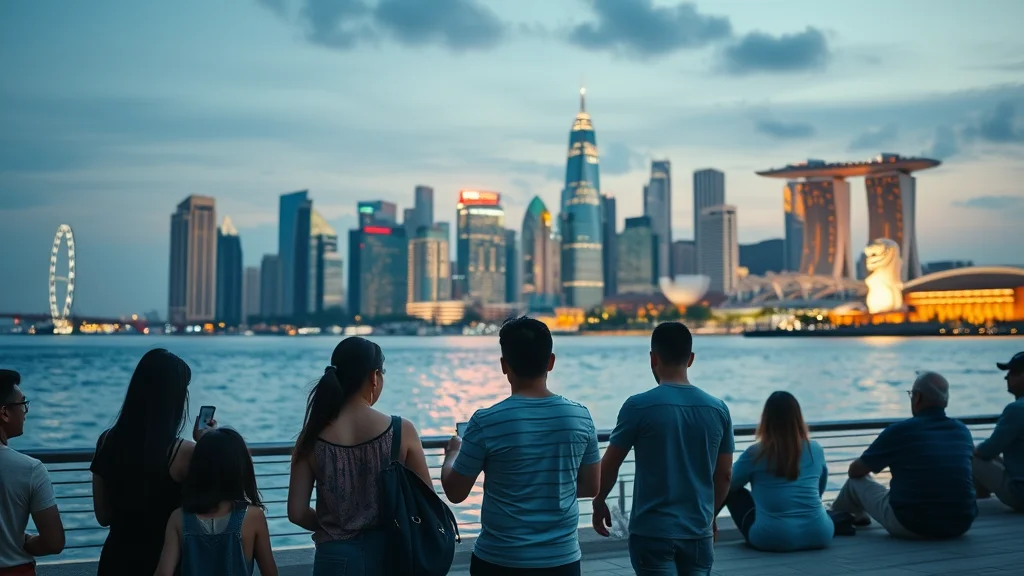
GPI Score, Crime Rate, and Urban Safety in Singapore
Singapore is regularly cited as the safest country to visit in southeast asia, with a Global Peace Index score that places it among the world leaders. Violent crime and petty theft are exceptionally rare; strict laws are enforced by highly visible police, and nearly every area—day or night—feels secure. Efficient public transport, comprehensive surveillance, and low road accident rates further cement Singapore’s reputation. For solo travel, family holidays, or business trips, Singapore stands unmatched for its serene public spaces and near-zero safety worries, drawing millions of repeat visitors each year.
Cultural Highlights and Traveler Experiences in Singapore
Safety aside, Singapore dazzles with its multicultural heritage, from Chinatown’s food stalls to Little India’s colorful temples. The city’s cleanliness, reliable health clinics, and transparent local laws mean travelers can explore freely, whether savoring hawker delicacies or hiking in national parks. Residents often report a shared community spirit, and travelers recount feeling welcomed regardless of background, making Singapore not just a beacon of safety but a hub for enriching cross-cultural encounters in south east asian countries.
Malaysia: Kuala Lumpur and Beyond as Safe Destinations in Southeast Asia
Safety Profile of Kuala Lumpur: GPI, Violent Crime, and Local Insights
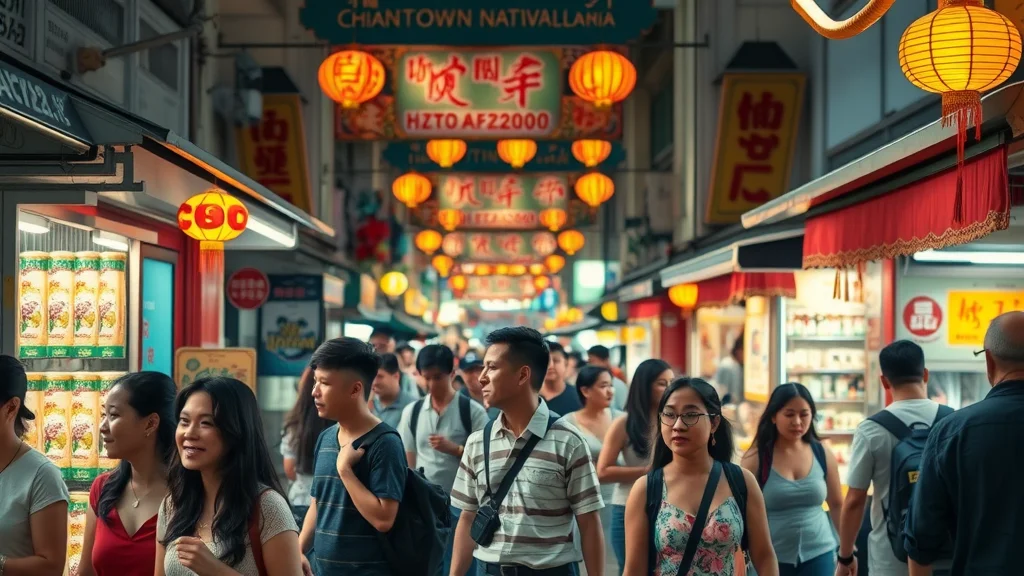
Kuala Lumpur, Malaysia's capital, is the beating heart of the country’s safety success. With a positive GPI score and significant reductions in violent crime over recent years, KL stands out among major southeast asian cities. Security staff patrol public spaces, and emergency response is fast—even in bustling markets or during festivals. The health infrastructure is robust, with hospitals, clinics, and pharmacies widely accessible. This extends well beyond the capital; secondary cities such as Penang and Johor Bahru also maintain strong reputations for traveler security, making Malaysia a top choice for those seeking safety alongside cultural heritage and culinary adventures.
Local insights highlight that a sense of community and respect for the law play a big role in maintaining safety. Malaysians welcome tourists and encourage them to take part in cultural festivities, with strong guidance for first-time visitors. Clear signposting, reliable transport, and ongoing public safety campaigns ensure that even newcomers can navigate with confidence. For these reasons, Malaysia remains firmly established as one of the safest countries in southeast asia.
Vietnam: Rising Star Among the Safest Countries in Southeast Asia
Is Vietnam’s Low Crime Rate Attracting More Tourists?
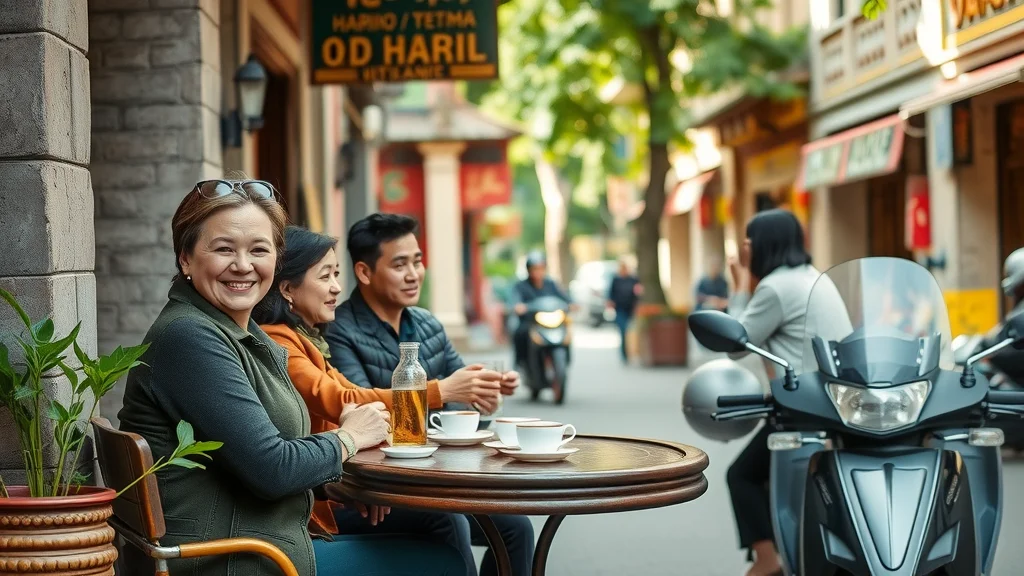
Vietnam’s popularity as a travel destination has soared, in part because of its much-improved safety profile. Local law enforcement, coupled with strong community values, has kept both violent crime and petty theft in check, especially in key tourist areas like Hanoi and Ho Chi Minh City. The country posts a competitive GPI score and offers a warm, welcoming atmosphere that puts travelers instantly at ease.
This renewed focus on safety and transparent law enforcement is drawing more tourists than ever, with Vietnam often cited as more secure than many Western popular tourist destinations. Enjoying coffee with locals, exploring night markets, or cycling through national parks feels frictionless and safe. Families, solo travelers, and adventure seekers alike benefit from Vietnam’s commitment to safe travel experiences in southeast asia.
Thailand: Safety in Popular Destinations Like Bangkok and Chiang Mai
Natural Disasters and Traveler Safety in Thailand
Thailand, famous for its bustling cities and tropical islands, offers strong safety for tourists despite challenges posed by natural disasters such as flooding or storms. Bangkok and Chiang Mai both have reliable police and infrastructure that can mitigate risks for travelers. Frequent training for emergency response teams and clear guidance for foreign visitors means it’s easy to get help if needed. The country’s health facilities measure up well by global standards, supported by an extensive network of public hospitals and clinics, especially in urban centers.
Proactive tourism campaigns have led to increased reporting of scams and accidents, making travelers more aware and better equipped to avoid risk. With robust local laws and a focus on continuous improvement, Thailand’s reputation as a safe, accessible, and enjoyable southeast asian country remains strong—just be sure to monitor local news for weather updates and heed local advice during monsoon seasons.
Cambodia: Siem Reap’s Role as a Safe Destination in Southeast Asia
How Low Violent Crime Rates Support Safe Tourism
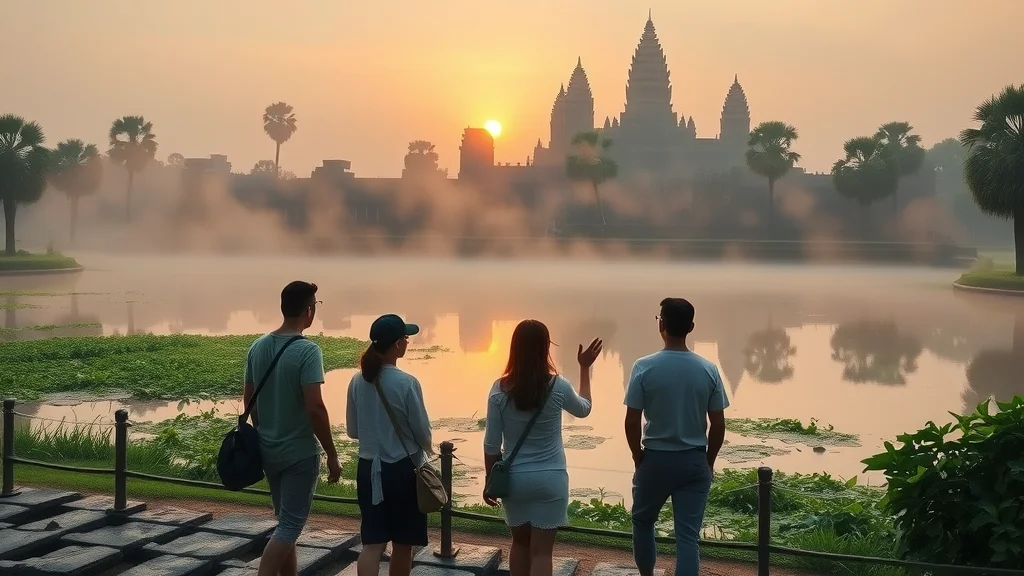
Siem Reap, gateway to Angkor Wat, is not only a cultural treasure but also one of the region’s safest cities. The local authorities have kept violent crime rates low, and tourist police are highly visible, giving visitors confidence to explore ancient ruins from dawn till dusk. The focus on community policing, honest local guides, and good relationships between police and hoteliers makes a big difference for new arrivals.
Established travel routes, high-quality accommodation, and a thriving hospitality sector all help reinforce Siem Reap’s position as a safe destination in southeast asia. The city’s focus on secure travel has led to a strong repeat-visitor rate, contributing to both Cambodia’s economy and its growing international reputation.
Culture and Traveler Security in Siem Reap
Cultural respect and friendship are pillars of Siem Reap’s security appeal. Locals are proud of their ancient heritage and regularly help visitors avoid scams or risky areas. Guided tours and community-based tourism initiatives provide another layer of security, ensuring guests feel at home. For those seeking both safety and once-in-a-lifetime sights, Siem Reap truly delivers.
Indonesia: Bali and Jakarta as Safe Destinations in Southeast Asia
Travel Safety in Bali: Peace Index, Health Access, and Local Laws
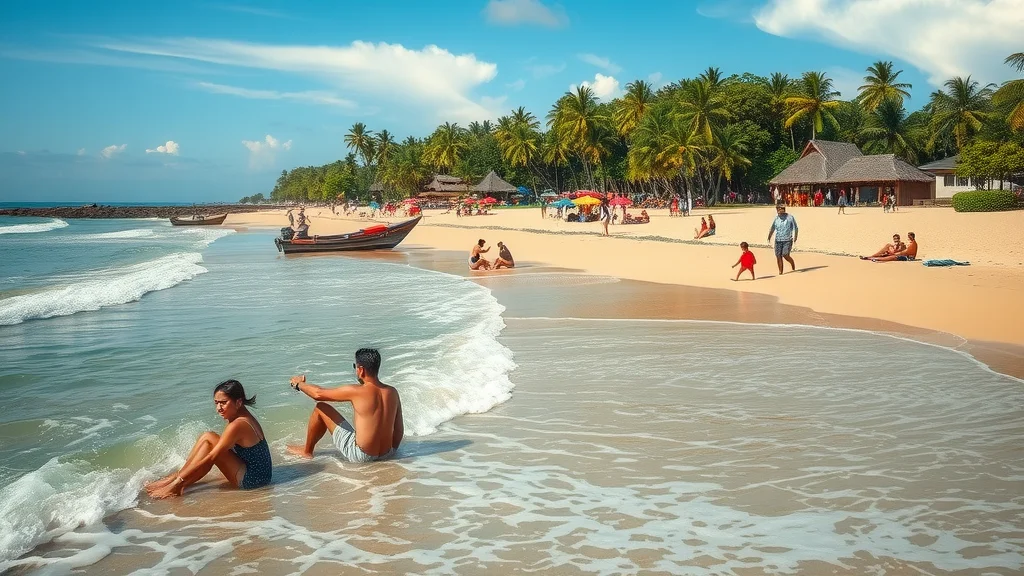
Bali’s iconic beaches are just as safe as they are beautiful. According to the latest peace index data, the island enjoys strong police-community cooperation, and dedicated tourist police make their rounds in all major tourist districts. Bali’s resorts prioritize safety, with easy access to international-standard health clinics and round-the-clock emergency numbers, while the local government keeps a firm grip on laws impacting visitors. The capital, Jakarta, is a dynamic metropolis with improved safety compared to past decades. Enhanced public transport and visible security patrols allow urban explorers to visit museums, street markets, and business centers with peace of mind.
Whether you’re exploring rural rice terraces or city skyscrapers, Indonesia’s approach combines legal rigor and warm hospitality, helping both new and veteran travelers enjoy the best of this southeast asian country safely. Just remember: local customs are key—respect them to ensure harmonious, risk-free adventures.
Philippines: Urban vs. Island Safety in Southeast Asia
Comparing Safety in Manila, Cebu, and Palawan
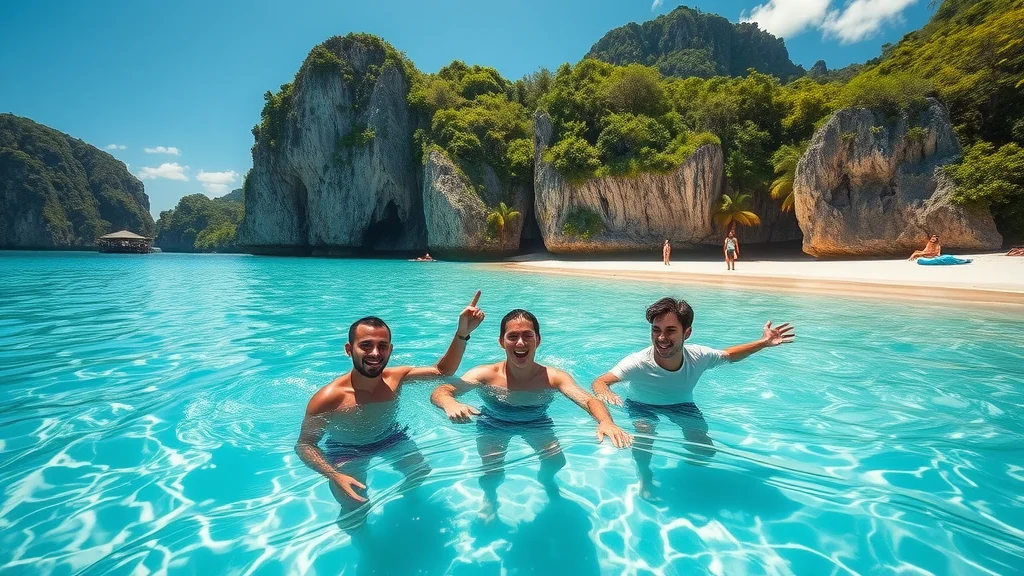
The Philippines presents a diverse safety profile: bustling Manila has urban challenges but active police and robust public transport security mitigate risks. Cebu, a major island city, is generally peaceful and well-organized, with an increasing number of safety patrols and traveler-friendly amenities. Island destinations like Palawan stand out for their tranquility and extremely low violent crime. Local communities in Palawan take special pride in keeping their environment and visitors safe, which is why it’s regularly voted among the safest and most beautiful island escapes in southeast asia.
Seasoned visitors suggest sticking to established routes, avoiding isolated areas after dark, and embracing the welcoming culture that permeates Filipino society. With natural wonders rivaling any other Asian country and strong improvement in safety awareness, the Philippines rewards travelers willing to research and prepare appropriately for their particular destination.
Brunei and Laos: The Quiet Safest Countries in Southeast Asia
Brunei and Laos may not be the region’s most visited hotspots, but they earn accolades for their stellar safety records. Brunei, with strict laws and a tight-knit community, boasts one of the region’s lowest crime rates. Laos, meanwhile, is renowned for its peaceful rural landscapes and hospitable people, where violent crime is virtually unheard of. These countries demonstrate that in southeast asia, some of the most tranquil and secure experiences are found off the typical tourist path, making them ideal for those seeking a slower pace and true peace of mind.
Both nations have invested in health and emergency infrastructure, and their small size means help is never far away. For travelers prioritizing serenity and a genuine sense of safety, Brunei and Laos offer uniquely calm escapes within the vibrant mosaic of southeast asian countries.
How Does Southeast Asia Compare to Other Countries in Asia?
When it comes to safety, southeast asia holds its own against east asia and south asia—regions often lauded for efficiency and order. While individual Asian countries may have unique challenges, southeast asia’s diversity of safe destinations makes it a competitor and often a leader in traveler security. Comparing infrastructure, crime rates, and disaster preparedness with those of Japan, South Korea, or China, you’ll find similarities and unique strengths among southeast asian countries, particularly in terms of hospitality and flexible emergency response.
Safe Destinations in East Asia Versus Southeast Asia
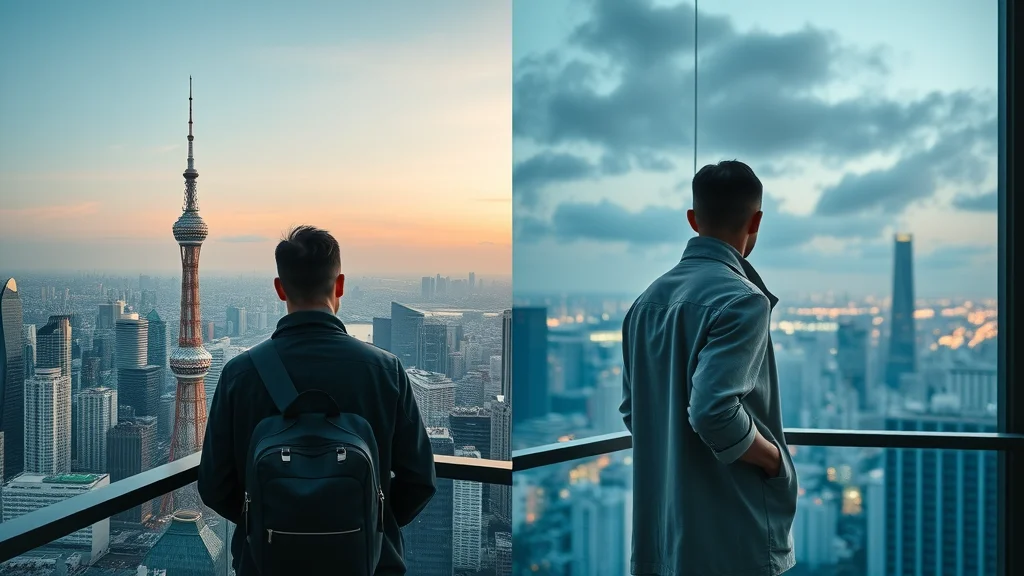
East Asia, home to Japan, South Korea, and Taiwan, frequently scores high in global safety rankings, but the leading southeast asian countries aren’t far behind. Singapore and Brunei rival Japan’s world-famous safety, and Vietnam is catching up rapidly, particularly in urban areas. South Korea is lauded for its low crime and advanced urban safety technology, lessons many southeast asian cities have begun adopting, such as camera monitoring and community policing. The achievement: southeast asia blends a relaxed travel vibe with advanced public safety tools, setting a competitive example for other Asian countries seeking to attract global travelers.
Lessons from Countries in East Asia and South Korea’s Safety Practices
From rigorous emergency drills to neighborhood watch programs, east asian countries offer models for safety management. South Korea’s responsive infrastructure and shared responsibility ethos have been absorbed by city planners and policymakers in countries like Malaysia and Thailand. These insights, combined with unique local customs, give southeast asia a versatile, adaptive approach to public security, balancing modernization with deep-rooted hospitality.
Countries in South Asia Compared to Southeast Asian Safety
South Asia, including India, Nepal, and Sri Lanka, offers tremendous cultural riches but faces greater challenges with urban crowding and infrastructural disparity. Petty theft and health risks are reported at higher rates than in many southeast asian destinations. In contrast, southeast asia’s safer cities and islands remain reliable choices for international visitors, especially those new to the region. Transparent legal systems, health coverage, and peace index performance in southeast asia create an accessible, reassuring travel environment for a wide spectrum of visitors.
Major Cities in Safe Destinations in Southeast Asia
What makes a city “safe” for travelers? It’s a combination of friendly locals, government engagement, quality policing, and the city’s infrastructure. Major urban centers in southeast asia such as Kuala Lumpur, Bangkok, Singapore, and Hanoi consistently rate highly on safety metrics, with effective transportation hubs, low rates of violent crime, and clear information for foreign visitors. This extends beyond just high-profile zones: suburban and secondary cities like Chiang Mai or Penang also share in the region’s positive safety trend. These urban environments allow tourists to enjoy everything from ancient temples to dazzling modern skylines in security and comfort.
Urban Safety Profiles: From Kuala Lumpur to Bangkok
Kuala Lumpur, supported by rapid police response and community engagement, has set a new benchmark for Southeast Asian urban safety. Bangkok too, benefiting from 24-hour public transport security and vigilant event management, continues to attract visitors who can explore day and night without significant worry. Ongoing public education campaigns target both locals and travelers—deterring scams and raising safety standards. Regular safety audits and visible improvements in city infrastructure result in safer environments, so whether you’re walking Bangkok’s night markets or admiring KL’s skyline, peace of mind is a given.
Yet, the true test of safety isn’t only numbers, but also local responses to incidents. Authorities in both cities are quick to resolve issues, publish safety alerts, and solicit community feedback, making these metropolises stand out as traveler-friendly cities in southeast asia.
How Cities in Countries in Southeast Asia Maintain Traveler Safety
Cities across southeast asia maintain traveler safety by adopting international best practices while staying attuned to local needs. Examples include CCTV installation in high-traffic zones, partnerships between tourism boards and local police, and multilingual helplines to assist tourists in distress. Campaigns teaching visitors about local customs, local laws, and common scams help set expectations and reduce misunderstandings. With a shared emphasis on helping newcomers acclimate, it’s little wonder that urban centers in this region are consistently rated as among the safest in the world for travel.
Ultimately, safety in these cities is the result of ongoing investment and a collective desire to make southeast asia not just an economic hub, but a model for safe, welcoming urban life in asian countries.
Key Safety Concerns for Travelers in Southeast Asia
While southeast asia is safer than many visitors expect, informed travelers know to stay alert. The most reported safety concerns are petty theft, scams, natural disaster risk in certain areas, and occasionally, challenges contacting emergency resources in rural locations. However, with strong government initiatives and growing regional partnerships, these issues are routinely tackled in major tourist zones.
Violent Crime, Petty Theft, and Scams in Top Southeast Asia Destinations
Violent crime rates in southeast asia’s top destinations remain relatively low, especially for visitors who stick to reputable districts and practice common-sense precautions. Petty theft—bag snatching or pickpocketing—occasionally occurs in crowded spaces, but the risks are swiftly addressed by active law enforcement and community vigilance. Many cities also operate reporting systems for scam activity, with dedicated tourist police handling complaints efficiently. Seasoned travelers recommend keeping valuables close, using hotel safes, and watching for staged distractions in popular tourist zones. By staying informed and alert, you can avoid the small risks still present in even the safest countries in southeast asia.
Stakeholders, including shop owners and local officials, collaborate to create safe, scam-free environments. Education programs equip both locals and foreigners with tools to identify fraud—cultivating the overall sense of security across the region.
Navigating Natural Disasters in Southeast Asian Countries
Southeast asia’s tropical climate brings annual risks of typhoons, flooding, or volcanic activity, depending on the country. The silver lining: improved emergency response protocols keep tourists safe if disaster strikes. Towns and cities practice regular evacuation drills, provide accessible emergency shelters, and publish multilingual instructions for foreign visitors. Mobile alerts and government-run social channels keep travelers informed, while hotels and tour operators are trained in basic emergency management. Regions historically affected by disasters, like Indonesia and the Philippines, have invested in resilient infrastructure, making it safer than ever for travelers to visit during all seasons.
By staying up to date with local forecasts and registering travel plans, visitors minimize their risk and can adjust itineraries as needed without undue stress.
Healthcare and Emergency Response Resources
Top travel-friendly southeast asian countries feature excellent healthcare access, especially in urban areas and established tourist destinations. International hospitals in Singapore, Malaysia, and Thailand enjoy world-class reputations, and pharmacies are typically well-stocked. Most countries operate dedicated health hotlines, with embassy support available for emergencies. Tourist police and English-speaking guides are also widespread, further boosting traveler confidence. Rural or remote regions may pose more challenges, but even there, well-marked medical posts and partnerships with travel insurance providers mean help is rarely far away.
Ultimately, combining travel insurance with awareness of emergency protocols ensures a safe, healthy journey—even off the beaten path.
Practical Tips for Staying Safe in Southeast Asia
- Register with your embassy
- Use local emergency hotlines
- Read up on local laws of southeast asian countries
- Download travel safety apps that cover all of southeast asia and east asia
Cultural Tips: How to Respect Local Laws and Customs in Southeast Asia
Cultural awareness isn’t just polite—it’s central to safe, enjoyable travel in southeast asia. Local customs in these countries are rooted in respect, modesty, and hospitality. Dress appropriately, especially at religious sites, and always ask before taking photos of people. Understand key regulations—littering, jaywalking, and disrespecting cultural heritage can all result in fines or warnings in cities such as Singapore and Kuala Lumpur. When in doubt, follow the locals’ lead and err on the side of humility and consideration.
Learning a few local phrases, using smiles and gestures, and showing appreciation for local foods and traditions go a long way. The more you engage with your destination’s unique customs, the safer and richer your travel experience will be—including fewer misunderstandings and a deeper sense of connection to the region’s diverse asian countries.
Table: GPI Scores for the Safest Countries in Southeast Asia and Select Asian Countries
| Country | Region | 2024 GPI Score | Violent Crime Rate | Natural Disaster Risk | Notable Cities |
|---|---|---|---|---|---|
| Singapore | Southeast Asia | 1.35 (Low risk) | Very Low | Very Low | Singapore |
| Malaysia | Southeast Asia | 1.56 | Low | Moderate | Kuala Lumpur, Penang |
| Vietnam | Southeast Asia | 1.72 | Low | Low | Hanoi, Ho Chi Minh City |
| Thailand | Southeast Asia | 1.86 | Moderate | Moderate | Bangkok, Chiang Mai |
| Cambodia | Southeast Asia | 1.92 | Low | Moderate | Siem Reap |
| Indonesia | Southeast Asia | 2.02 | Moderate | High | Bali, Jakarta |
| Philippines | Southeast Asia | 2.06 | Moderate | High | Manila, Cebu, Palawan |
| Brunei | Southeast Asia | 1.50 | Very Low | Very Low | Bandar Seri Begawan |
| Laos | Southeast Asia | 1.82 | Very Low | Moderate | Vientiane, Luang Prabang |
| Japan | East Asia | 1.39 | Very Low | Moderate | Tokyo, Osaka |
| South Korea | East Asia | 1.60 | Low | Low | Seoul, Busan |
| China | East Asia | 2.17 | Moderate | Moderate | Beijing, Shanghai |
| India | South Asia | 2.52 | High | Moderate | New Delhi, Mumbai |
| Nepal | South Asia | 2.04 | Moderate | High | Kathmandu |
| Sri Lanka | South Asia | 1.96 | Moderate | Moderate | Colombo |
Inspiring Stories: Real Traveler Experiences in Safe Southeast Asian Destinations
"I felt safer walking down the streets of Hanoi at midnight than in many European cities. Southeast Asia was a revelation." — Traveler Review
Firsthand accounts like these capture the essence of travel in southeast asia. Whether it’s exploring downtown Singapore late at night or wandering through ancient ruins in Cambodia, visitors frequently report feelings of calm and security. Trustworthy local guides, helpful communities, and efficient public transport systems turn simple moments into memorable travel experiences—reinforcing why millions choose these countries for their biggest adventures each year.
Travelers often highlight encounters with friendly police, supportive hotel staff, and honest vendors. The culture of care extends well beyond official policies, giving travelers a sense of being looked after even in unfamiliar surroundings. These stories encourage even hesitant travelers to explore the safest countries in southeast asia with confidence and open minds.
Video Guide: Top 5 Safe Destinations in Southeast Asia for 2024
Comparing the Safety Perceptions: Locals Versus Travelers in Southeast Asia
Safety is not just a matter of statistics but also perception. While most travelers report high satisfaction with safety standards, locals in southeast asia have their own nuanced views—often expressing pride in community involvement and effective local governance. In cities like Kuala Lumpur, community policing keeps residents and visitors feeling equally protected. The common thread: collaboration between everyday citizens, local businesses, and authorities results in a dynamic but reliably safe environment for everyone.
Community Responses to Safety in Southeast Asia’s Most Visited Cities
"Our city’s low crime rate isn’t an accident—it’s the result of a strong community and dedicated local authorities." — Kuala Lumpur Resident
Locals in places like Singapore, Hanoi, and Bangkok emphasize the role of education and civic responsibility in achieving remarkable safety statistics. Regular neighborhood watch initiatives and friendly engagement with visitors help reduce misunderstandings and foster a sense of global camaraderie. This partnership between locals and travelers is a blueprint for safety everywhere—proof that the world’s best destinations do not have to come with risk.
Travelers who embrace local etiquette and share their positive experiences help perpetuate this cycle of security, making southeast asia’s top spots inviting year after year. The combined efforts of both groups have cemented the region’s status as a leading choice for those seeking peace of mind.
FAQ: Safe Destinations in Southeast Asia
What is the safest country to visit in Southeast Asia?
Singapore is consistently ranked as the safest country in southeast asia, topping global peace index and gpi score lists due to its minimal violent crime, efficient law enforcement, and outstanding public health infrastructure.
Where in Southeast Asia has the lowest crime rate?
Based on current crime rate data and global peace index reporting, Singapore and Brunei offer the lowest crime rates among countries in southeast asia.
Is Malaysia or Vietnam safer?
Both Malaysia and Vietnam are considered among the safest countries in southeast asia for tourists. Malaysia’s urban centers offer advanced infrastructure, while Vietnam’s low violent crime has improved in recent years.
Is Vietnam or Thailand safer?
Vietnam currently reports fewer incidents of violent crime compared to Thailand, although both remain attractive and safe destinations in southeast asia overall.
Key Takeaways: Making Sense of Safe Destinations in Southeast Asia
- Safe destinations in southeast asia can be found in every country, with Singapore and Brunei leading rankings.
- Urban and rural safety profiles differ across asian countries—research cities before booking travel.
- Travelers should observe local customs, remain aware of crime trends, and use emergency resources when necessary.
Conclusion: Choosing the Best Safe Destinations in Southeast Asia for Your Journey
Plan Your Trip Confidently with Up-to-date Safety Insights
Armed with reliable safety information and a spirit of curiosity, you can explore safe destinations in southeast asia knowing both the data—and the local communities—are on your side.


Write A Comment