 Add Row
  Add
Add 
Imagine wandering through the vibrant lanes of a Thai street market, the aroma of sizzling street food filling the air as locals greet you with beaming smiles. This isn’t just another holiday—it's an adventure into the heart of the Land of Smiles. Whether it's your first time visiting Thailand or you’re a seasoned explorer, these must-know Thailand travel tips will help you discover the authentic Thailand while staying safe, savvy, and stress-free.
Introduction: Unlocking Thailand with Essential Thailand Travel Tips
Exploring Thailand is both thrilling and easy when you’re prepared with the right travel tips. Known for its lush landscapes, bustling cities, serene temples, and world-famous street food, Thailand offers something for every traveler. Each journey, however, comes with unique challenges—from navigating busy markets to finding the best deals on accommodations or being mindful of local customs. In this guide, we’ll provide practical, actionable Thailand travel tips designed to make your trip to Thailand as smooth as it is unforgettable. You'll learn everything from how to save money and stay healthy to respecting Thai culture and enjoying the incredible diversity the country offers.
A Memorable Arrival: First Impressions and Cultural Nuances
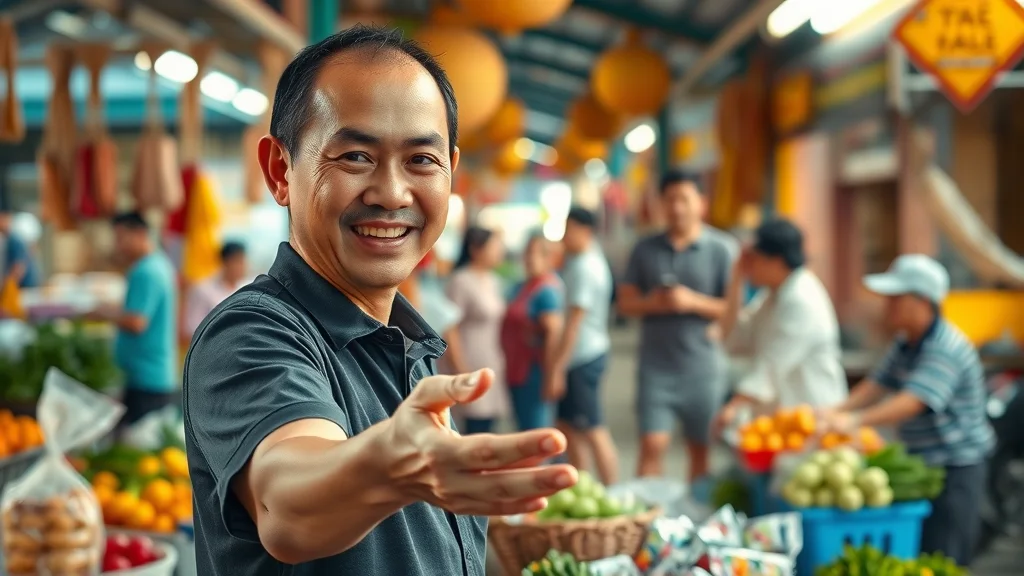
Your first moments in Thailand set the tone for your adventure. As you step off the plane and into the humid tropical air, notice the smiles that greet you—a signature aspect of Thai hospitality. From the airport’s hustle to the tranquility of temple grounds, respect is woven into the fabric of daily life. A key Thailand travel tip is to return these gestures with genuine warmth. Pause before entering a home or temple to remove your shoes. Offer a respectful “wai” (a slight bow with palms together) in meetings, especially with elders or monks. These small acts quickly earn local goodwill. Being aware of cultural nuances, from greetings to modest attire, will eliminate social awkwardness and open doors to authentic connections. Understanding customs not only enriches your trip but also signals to locals that you respect and honor Thai culture.
What You'll Learn from These Thailand Travel Tips
- Key knowledge and practical travel tips for visiting Thailand
- How to save money on your trip to Thailand
- Must-have travel advice on safety, etiquette, and culture
- How to enjoy authentic street food and explore hidden gems
- Crucial health and travel insurance recommendations for Thailand
- Understanding the weather, including the rainy season
Thailand Travel Tips: Planning Your Trip to the Land of Smiles
To jumpstart your unforgettable journey, effective trip planning is essential. Seasoned travelers know that organizing your Thailand travel ahead of time means more time immersing yourself in the country’s wonders. From picking the best time of year to visit Thailand and building your dream itinerary to understanding the nuances of travel insurance, getting these details right contributes to a stress-free trip. Thailand is often called the Land of Smiles for a reason: its friendly people and stunning sites reward those who arrive prepared. Our top travel tips for planning will empower you to discover bucket-list destinations, hidden gems, and experience the best of what Thailand has to offer, all while staying within your travel budget and respecting local customs.
Creating Your Ultimate Thailand Travel Itinerary
Designing a memorable trip to Thailand starts with a well-thought-out itinerary. Begin by pinpointing must-see destinations such as bustling Bangkok, cultural-rich Chiang Mai, and the dreamy islands of Koh Samui and Phuket. Think about travel interests: are you yearning for ancient temples, adrenaline-pumping outdoor activities, sublime beaches, or culinary adventures around every corner? When mapping your stops, factor in transit times, especially for northern or southern loops. Allocate more days for cultural festivals or national parks if they're in season. Use travel forums, review blogs, and connect with other travelers to discover top tips for Thailand, such as side-trips to less-crowded provinces or taking a scenic sleeper train. Most importantly, design some flexibility into your schedule—much of Thailand travel magic lies in its spontaneous moments.

When To Visit Thailand: Seasons, Festivals, and the Rainy Season
Deciding when to visit Thailand shapes your entire experience. Thailand’s climate swings between the dry season (November to February), favored for its cool breezes and many festivals, and the rainy season (June to October), when crowds thin and nature bursts into green. The transition months in between can offer the best of both—fewer tourists and temperate days. Want to witness lantern-lit skies at Chiang Mai’s Yi Peng festival or the vibrant water fights during Songkran (Thai New Year)? Time your travels with these landmark events. On the other hand, the rainy season brings brief, heavy downpours—often in the afternoon—leaving mornings clear for activities. By aligning your plans with local weather patterns and major festival calendars, you’ll tap into unique experiences and avoid seasonal surprises.
Essential Travel Insurance Advice for Thailand Travel
A top Thailand travel tip: never set off without comprehensive travel insurance. Even savvy travelers can run into the unexpected—lost luggage, accidents, sudden illnesses, or trip delays. Thailand's incredible diversity brings both adventure and risk, especially if you plan on renting a scooter, partaking in water sports, or trekking national parks. Make sure your policy covers medical evacuation, hospital stays, and activity-based risks specific to Southeast Asia. Review coverage details, including liability and theft, and carry proof of insurance during your trip to Thailand. If you need urgent medical attention, private hospitals in cities like Bangkok and Chiang Mai are well-ranked but can be costly without insurance. Better safe than sorry: protecting yourself lets you fully savor the joys of travel.
"The Land of Smiles rewards those who prepare - and surprises those who don’t."
Top Thailand Travel Tips for Booking Flights, Accommodation & Transport
The secret to a stress-free Thailand travel experience is smart booking. Whether you’re arranging your flight, browsing for the perfect hotel, or choosing how to get around, every decision impacts your comfort, safety, and budget. Leverage these practical travel tips for the best deals and smoothest journeys as you navigate the logistics of your Southeast Asian adventure.
Best Flight Booking Travel Tips for Thailand
Booking your flight to Thailand at the right time can save you a substantial amount. Start your search 2-4 months before your planned departure, comparing fares across multiple platforms and days of the week. Consider flying into regional hubs like Bangkok’s Suvarnabhumi (BKK) or Don Mueang (DMK) airports, where international and domestic flights are plentiful. If you want to visit hotspots like Chiang Mai, Phuket, or Koh Samui, look for budget airlines with frequent connections. To score top deals, enable airfare alerts and consider stopovers in other Southeast Asia cities. Booking flexible or refundable tickets can give you peace of mind for changes. Lastly, don’t forget to check entry and transit requirements, especially regarding travel insurance or health documents if flying during the rainy or festival season.
Accommodation Options: Hotels, Hostels, Homestays, and Resorts Across Thailand
Thailand’s hospitality scene is as vibrant as its landscapes. Your choices span from budget hostels on Khao San Road to boutique hotels in Chiang Mai’s Old Town or luxury beachfront resorts in Koh Samui. Each option comes with distinct experiences and price points. Backpackers often opt for hostel dorms or guesthouses, which cultivate social interactions and are perfect for solo travel, while families or couples might prefer mid-range hotels for added comfort. For cultural immersion, homestays in rural villages offer a unique window into daily Thai life. Special promos, loyalty programs, and booking platforms like Agoda or Booking.com often provide substantial discounts. Study reviews and location details so you're close to public transport, nightlife, or top attractions. Whether you crave city chic or peaceful seclusion, plan early to secure your ideal stay.

Navigating Thai Transport: Trains, Domestic Flights, Taxis, and Tuk-Tuks
Getting around Thailand is an adventure in itself. Domestic transport is diverse, efficient, and often surprisingly affordable. For long distances, trains and domestic flights connect major cities, with overnight sleeper cars adding comfort and a hint of nostalgia. Urban journeys are best handled by BTS Skytrain, MRT subway, taxis (always request the meter), or iconic tuk-tuks—each perfect for zipping through Bangkok’s traffic. Download local apps like Grab for hassle-free ride-hailing. For island hopping, ferries or speedboats provide picturesque views but watch seasonal schedules, especially during the rainy season. Choose motorbike rentals or songthaews (shared taxis) in places like Koh Samui and Chiang Mai for short trips, but always prioritize safety with helmets and reputable providers. With these Thailand travel tips, transit will feel seamless.
| Type | Pros | Cons | Typical Price/Night |
|---|---|---|---|
| Hostel | Social, affordable, central locations | Shared rooms, basic comfort | $6–$15 |
| Hotel | Comfortable, wide amenities, private | More expensive, variable standards | $25–$80 |
| Homestay | Cultural immersion, local meals | Limited privacy, basic facilities | $12–$40 |
| Resort | Luxury, stunning views, all-inclusive | Highest cost, sometimes remote | $60–$250+ |
Money Matters: Financial Travel Tips for Thailand
Getting your finances right is at the core of the best Thailand travel tips. Thailand is budget-friendly by global standards, but knowing how to manage your money, handle local currency, and optimize spending can stretch your funds further and keep you safe. This is especially important given the wide range of expenses, from affordable street food to potential splurges on island tours or national park fees.
Currency, ATMs, and Safe Money Handling in Thailand
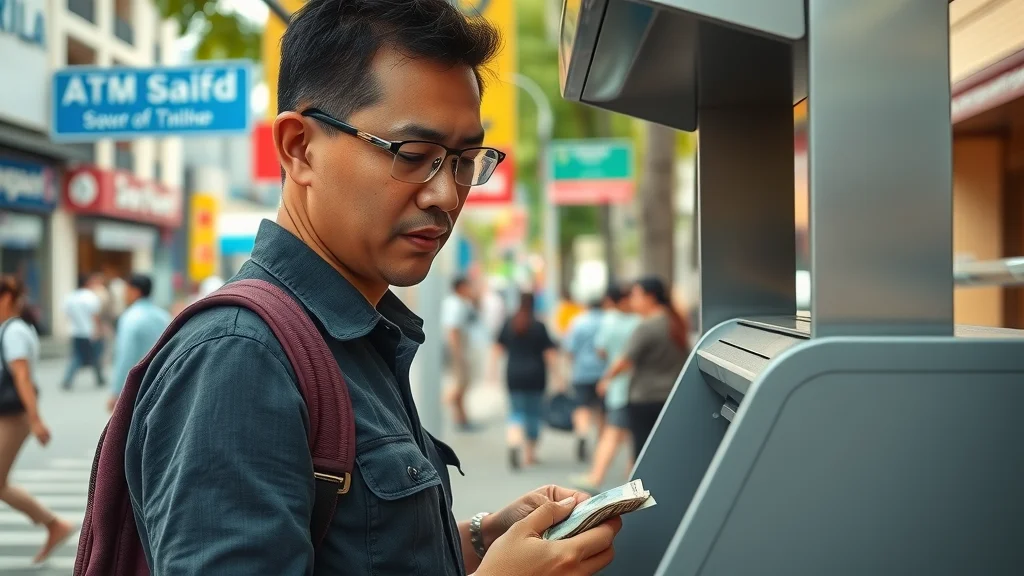
The Thai baht (THB) is the country’s official currency, and cash is king in many places—especially local markets and street stalls. Upon arrival, withdraw local money from ATMs at the airport or reputable banks. ATMs charge a standard fee, so plan withdrawals carefully to minimize costs. It’s best to have both cash and at least one backup card. Avoid carrying large sums; use a money belt or locked bag for extra security, particularly in tourist spots like Khao San Road. Notify your bank before travel to prevent card blocks and monitor local exchange rates for the best value. Many hotels, larger restaurants, and shops accept credit cards but be wary of potential surcharges. Following these simple travel tips ensures your finances go smoothly, leaving you free to enjoy your adventures stress-free.
Is $100 a Day Enough in Thailand?
For most travelers, $100 per day is more than enough to enjoy comfort and flexibility in Thailand. With budget accommodation and meals, daily expenses can often be under $40. Adding in sightseeing, local transportation, the occasional massage, and a few splurges still leaves ample room for surprises. However, luxury hotels, guided tours, or high-end nightlife can increase costs. For budget-conscious adventurers, street food and public transport (like the BTS or ferry) ensure savings, while mid-tier travelers can enjoy boutique stays and regular sit-down meals. The key is smart prioritization: blend affordable choices with the occasional indulgence, and always keep a small emergency fund handy.
Answer: Evaluating Thailand Budgets for Different Travel Styles
Your personal travel style dictates your budget. Backpackers can thrive on less than $40 a day, flashpackers on $50–$100, and luxury travelers upwards from $150 per day. The best travel tip: set a flexible daily cap, monitor spending as you go, and prioritize experiences over material splurges. From the wonders of Chiang Mai to beach days on Koh Samui, Thailand delivers value for every budget.
Is 800 Pounds Enough for 2 Weeks in Thailand?
Yes, 800 pounds sterling is plenty for two weeks if you budget smart. That breaks down to about £57 per day, or roughly 2,500 THB—a suitable amount for mid-range travelers in Thailand. Focus on economical accommodation, vibrant street food, and free or low-cost attractions like temple visits or public parks. Reserve splurges for island hopping or a guided cultural tour. The exchange rate may fluctuate, but overall, your funds will cover essentials and then some.
Answer: How Far Your Money Goes in Thailand
In Thailand, 800 pounds will cover hostels or basic hotels, daily meals, public transport, entrance fees to major sights, and a few special experiences. Use top travel tips like pre-booking key attractions, embracing local markets, and leveraging discounts. Saving on accommodation means more to spend on memorable activities or unique souvenirs.
"Smart budgeting is the best travel tip for enjoying Thailand to the fullest."
Thailand Travel Tips for Health, Safety & Local Laws
Staying healthy and well-informed about Thai laws is essential for a hassle-free trip to Thailand. This section covers the must-know travel advice for health, food safety, and respecting the rules that safeguard both visitors and locals.
Getting the Right Travel Insurance for Thailand
High-quality travel insurance remains a cornerstone of safe and responsible Thailand travel. Policies should cover emergency healthcare, theft, lost belongings, trip cancellations, and—critically—activity-specific coverage (such as watersports, trekking, or riding scooters). Keep digital and printed copies of your insurance documents, and note local hotlines for quick medical attention in case of illness or accident. Top tip: choose insurance that includes direct payment to hospitals and support in English, making emergencies less stressful. Travel with confidence, knowing you are protected from unpredictable events.

Must-Follow Health Travel Advice: Food, Water & Vaccinations
Thailand’s tempting cuisine is legendary—but so are the risks of food- or water-borne illness. The main travel tip: dine where locals eat and watch hot dishes cooked fresh. Avoid tap water, raw salads, and ice from street vendors. Instead, opt for sealed water bottles or boil your own; many accommodations offer refill stations. Ask your healthcare provider about recommended vaccinations (such as hepatitis A/B, typhoid, or tetanus) before departure. Carry a small first-aid kit with basic medication for stomach upset, bites, or scrapes. If you need medical attention, major cities like Bangkok and Chiang Mai host world-class facilities. Prioritizing your health enables you to savor the full Thai travel experience.
Safety Precautions and Tips for Thailand
While Thailand is relatively safe, certain precautions will reduce your risk of theft, scams, or accidents. Use hotel safes for passports and valuables, avoid walking alone on dark or isolated streets late at night, and always arrange taxis through reputable apps or your accommodation. Respect the local legal age in Thailand for alcohol (20) and never engage with drugs—they carry severe penalties under Thai authorities. Keep in touch with loved ones, especially if solo traveling, and share your itinerary. Monitoring local news or visiting your embassy's website for updates is smart practice. With these travel tips, you’re prepared for a secure travel adventure.

Common Scams and How to Avoid Them – Thailand Travel Tip
Like any major destination, Thailand has its share of tourist-targeted scams. Beware of “overly helpful” strangers near temples, taxi drivers refusing to use meters, or gem shop touts offering “special” deals. Do not hand over your passport as collateral for rentals. Avoid booking through unofficial channels and always double-check prices before purchases. Remain alert at busy spots such as Khao San Road. Trust your instincts and politely say no when unsure. Knowing these common pitfalls will help you steer clear and maintain your budget—and peace of mind.
Things You Should Avoid During Your Trip to Thailand
For a hassle-free trip, steer clear of disrespectful behaviors such as touching a person’s head, pointing your feet at people or religious artifacts, and speaking critically of the royal family. Avoid littering, climbing on historical monuments, or entering temples in revealing clothing. Never shuffle currency with the King’s portrait on the floor, as it’s illegal and deeply offensive. Adhering to these key travel tips will win you appreciation from locals and help you stay on the right side of Thai law.
| Do | Don’t |
|---|---|
| Show respect with a polite “wai” greeting | Insult or defame the Thai royal family |
| Dress modestly in temples | Touch someone’s head or point your feet at people/statues |
| Remove shoes before entering homes/temples | Litter or disrespect public spaces |
| Use the meter in taxis | Travel without travel insurance |
Cultural Thailand Travel Tips: Thai Etiquette, Customs & Respect
Understanding and respecting Thai culture enhances every experience during your travels. Adhering to social etiquette, showing reverence to religion and the royal family, and adapting to local routines like the 6pm national anthem ensures you are both a welcome guest and an informed traveler.
Do and Don’ts in Thailand: Social Etiquette
Thai culture places high value on polite behavior, respect for hierarchy, and harmonious interactions. Always greet with a “wai,” especially when addressing elders, and keep voices low in public areas. Dress modestly when visiting temples, markets, or rural areas. Keep public displays of affection to a minimum. Never touch anyone’s head, and use your right hand when passing objects. Adhering to these travel tips not only avoids social faux pas but also opens up genuine connections with locals, deepening your cultural journey in the Land of Smiles.

Answer: Unpack the Must-Know Cultural Norms
Cultural respect is the heart of traveling in Thailand. Show respect for monks and elders, take off your shoes before entering homes or temples, and avoid coarse jokes or rude gestures. Speak kindly about the Thai monarchy and never step on currency. These core travel tips support harmonious, memorable travel throughout the country.
Understanding the Role of the Royal Family in Thailand
The Thai royal family occupies a revered position in society. Images of the King and Queen are displayed everywhere—from airports to currency. It is a serious offense under Thai law to insult the monarchy (lese-majeste laws). Practice care and neutrality when discussing royal matters, especially in public or online. Show respect during royal ceremonies and stand quietly when the national anthem is played. By observing these practices, you demonstrate cultural sensitivity and avoid unintentional legal trouble.
Six O’Clock Customs: What Happens at 6pm in Thailand?
Each day, the national anthem plays in public spaces at 8am and 6pm. Everyone pauses and stands still—locals and tourists alike—to honor the nation and monarchy. Take part in silence, show respect, and observe the moment wherever you are, whether in a park, train station, or bustling market. It's a moving symbol of Thai unity and a meaningful cultural experience for visitors.
Answer: National Anthem Tradition & Cultural Significance
Standing for the anthem demonstrates respect for the Thai nation and its people. Participation in this custom, even as a visitor, is compulsory in certain settings and warmly appreciated everywhere, reinforcing harmonious relations between locals and travelers.
"Respecting local customs will open doors and hearts across Thailand."
Thai Food & Street Food Travel Tips: Eating Well When Visiting Thailand
Thailand’s world-famous street food scene is a journey in itself. Savoring authentic Pad Thai, mango sticky rice, or a fiery bowl of tom yum connects you directly to the heart of Thai culture. Making the most of these experiences starts with knowing what—and where—to eat, as well as how to sample safely.
Must-Try Dishes: The Ultimate Thai Street Food List
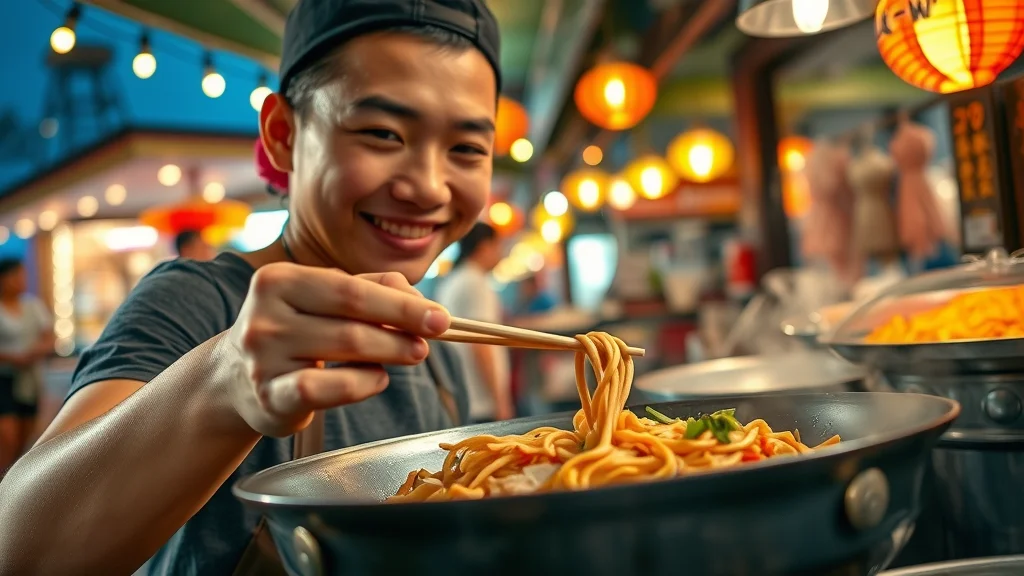
Among the top travel tips for Thailand is to dive headfirst into its dazzling array of street snacks. Don’t miss Pad Thai, Satay skewers, Som Tam (papaya salad), Khao Soi (northern noodle soup), and Gaeng Daeng (red curry). In coastal regions like Koh Samui, try fresh seafood grilled right before your eyes, and in Chiang Mai, sample spicy northern sausages. Street markets—such as those on Khao San Road—offer endless food stalls where you can eat like a local for just a few dollars. Many vendors specialize in a single dish, honed over generations, ensuring exceptional quality.
Thailand Travel Tip: Food Safety & Where to Eat
Food safety is critical for an enjoyable trip. Always choose stalls where ingredients are freshly cooked, utensils look clean, and locals are lining up—these are reliable indicators of hygiene and taste. Avoid undercooked food or items that have been sitting out too long, especially during the rainy season. Don’t drink tap water or use ice from unknown sources. Carry hand sanitizer and consider bringing your own reusable chopsticks or utensils for added reassurance. Familiarize yourself with emergency numbers in case of sudden illness, and if serious, seek medical attention in reputable city hospitals.
Vegetarian, Vegan, and Dietary Needs in Thailand
Thailand embraces vegetarian, vegan, and other dietary lifestyles. Look for “jay” food signs (เจ) which indicate vegan dishes, especially during religious festivals. Be clear about allergies or intolerances when ordering and use a translation card if necessary. Many local and tourist-friendly restaurants offer gluten-free, nut-free, and other options. Explore specialty cafés in cities like Chiang Mai or Bangkok for internationally inspired plant-based fare. With these travel tips, you can dine worry-free, whatever your needs.
| Dish | Best Location | Approx. Price |
|---|---|---|
| Pad Thai | Khao San Road, Bangkok | 40–60 THB |
| Khao Soi | Night Bazaar, Chiang Mai | 45–80 THB |
| Som Tam | Markets, Isan Region & Bangkok | 30–50 THB |
| Seafood BBQ | Lamai Night Market, Koh Samui | 80–200 THB |
Best Destinations in Thailand: Regional Travel Tips
Each region of Thailand offers unique treasures: buzzing cities, misty highlands, and postcard-worthy coastlines. Crafting the perfect route requires insights into what makes each destination special.
Bangkok Travel Tips: Must-See Sights and Experiences
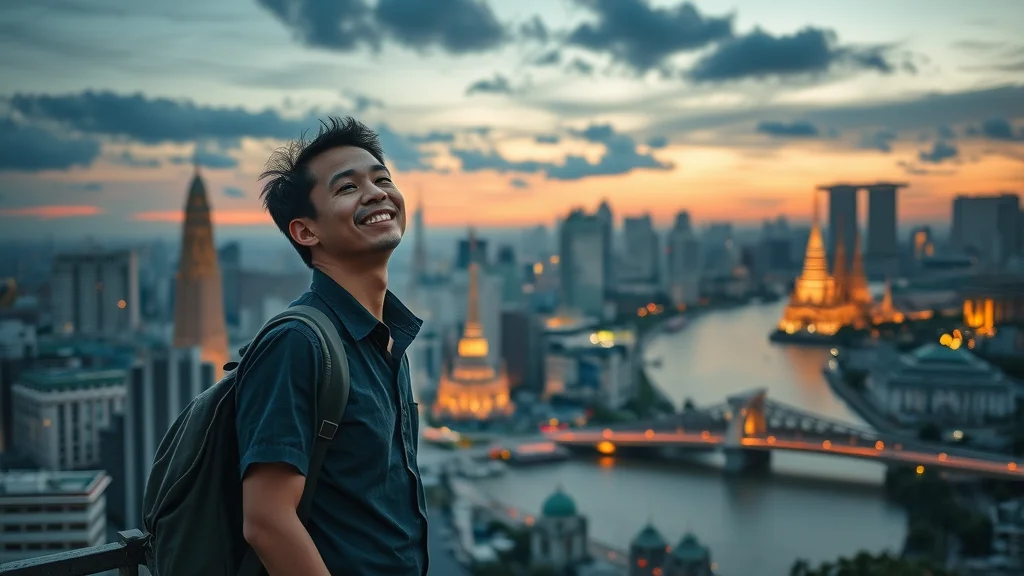
Bangkok, Thailand’s pulsating capital, blends ancient and modern like nowhere else. Marvel at the golden Grand Palace, meditate in Wat Pho’s temple of the Reclining Buddha, and shop for treasures at Chatuchak Weekend Market. Navigate local transport with a travel tip: Skip peak hours or take river ferries for scenic shortcuts. Visit rooftop bars for epic city views and explore vibrant neighborhoods from historic Rattanakosin to contemporary Thonglor. Let Bangkok’s energy inspire your travel memories.
Chiang Mai & Northern Thailand Travel Advice
Northern Thailand is famed for its cool mountain air, ancient temples, night bazaars, and elephant sanctuaries. In Chiang Mai, take cooking classes or join a lantern festival. Venture out to Pai or Chiang Rai for waterfall hikes and scenic mountain passes. Local night markets are perfect for sampling northern street food and finding unique crafts. Public transport is reliable, but renting a scooter can help you access remote corners—just remember safety first. The north’s warm hospitality and tranquil pace are ideal for cultural immersion and solo travel.
Islands and Beaches: Travel Tips for Phuket, Koh Samui, and Beyond
Dreaming of turquoise seas and white-sand beaches? Head south to paradise islands like Koh Samui, Phuket, or Koh Phi Phi. Each offers unique atmospheres—from the lively beach clubs of Chaweng, to serene yoga retreats on Samui, or vibrant marine life around Phi Phi. During peak season, book in advance. Island hopping is easiest by ferry or speedboat, and local travel agencies can arrange packages. Remember, some remote beaches have limited amenities—pack accordingly!
Weather in Thailand: How to Prepare for the Rainy Season and Beyond
Understanding Thailand’s climate allows you to pack and prepare like a pro. The weather is a key factor—sizzling highs during the dry season, unpredictable tropical showers during the rainy season, and varying humidity across regions.
Packing Travel Tips for Thailand’s Seasons
Pack light, breathable clothes for hot days but always have a lightweight rain jacket or umbrella during the rainy season. Sandals are ideal for city and beach, while closed shoes are handy for national parks. Bring modest attire for temple visits (shoulders and knees covered), a swimsuit, power adapter, sim card, and travel-size toiletries. Packing cubes, a reusable water bottle, and a compact first aid kit are top tips. Rolling clothes instead of folding and using vacuum bags will help maximize luggage space while staying organized.

Rainy Season Guide: Travel Advice for Wet Weather
The rainy season (roughly May to October) brings daily showers, especially in the afternoons. Prioritize waterproof bags, pack quick-dry clothes, and keep electronics in protective cases. Monsoon downpours can impact beach activities or ferry schedules, so monitor local weather and adjust plans accordingly. However, this season also offers lush scenery and reduced tourist crowds, plus the chance to witness traditional festivals unique to the rains. Don’t let the weather stop you—embrace the adventure with a flexible mindset.
| Region | Average Temp (°C) | Dry Season | Rainy Season |
|---|---|---|---|
| Bangkok & Central | 29–34 | Nov–Feb | May–Oct |
| Chiang Mai & North | 25–32 | Nov–Feb | May–Oct |
| Koh Samui & Gulf Islands | 27–33 | Jan–Apr | Oct–Dec |
| Phuket & Andaman | 28–32 | Dec–Mar | May–Oct |
Packing and Practical Thailand Travel Tips
A few well-chosen essentials go a long way in Thailand. Avoid overpacking and focus on items that handle humidity, tropical showers, and varied activities from temples to trekking.
Essential Items to Pack for a Trip to Thailand
- Clothes for hot and humid climate
- Modest attire for temples
- Travel insurance documents
- Power adapters
- Medication and first-aid essentials
- Lightweight rain gear
Technology and SIM Cards: Staying Connected in Thailand
Staying online is easy and affordable with a local SIM card, available at airports, 7-Eleven, or mobile shops. Leading networks like AIS, TrueMove, and DTAC offer tourist packages with unlimited data and nationwide coverage. Good connectivity helps you access maps, ride-hailing apps, and translation tools—essential for navigating new cities or getting medical attention. For digital nomads or longer stays, consider a mobile wi-fi hotspot. Keep chargers and adapters (Type A/B/C sockets) handy to stay powered up wherever you go.
Travel Tip: Using Public Transport and Taxis in Thailand
Public transport is both cost-effective and reliable across Thailand, with options like BTS Skytrain, MRT, buses, and songthaews. When hailing taxis, always ask to use the meter or arrange the price before the journey. In smaller towns or tourist hubs, tuk-tuks and moto-taxis are ubiquitous—negotiate fares in advance and wear a helmet. Schedule rides using the Grab app for safety and fair pricing. These travel tips help you move confidently from temple to market to beach.
Responsible Tourism: Eco-Friendly and Ethical Travel Tips for Visiting Thailand
Tourism shapes Thailand’s future—responsible choices support the environment and local communities. These travel tips make for ethical adventures and lasting positive contributions.
Supporting Local Communities & Sustainable Practices
Support the local economy by booking community-run tours, eating at family-owned restaurants, and buying crafts from village markets. Reduce waste by avoiding single-use plastics, carrying a water bottle, and saying no to plastic bags. Choose eco-lodges, participate in volunteer projects, or donate to reputable charities. Even small changes, like refusing animal entertainment or traveling off-peak, have a big impact.

Ethical Wildlife Encounters & Conservation Awareness
Thailand’s wildlife is amazing—but needs our protection. Avoid exploitative attractions such as elephant rides or photo ops with drugged animals. Instead, seek out ethical sanctuaries where animals are free to roam and not forced to interact with visitors. National parks and marine reserves offer safe habitats for wild encounters; be sure to respect park rules and leave no trace. By making sustainable choices, you help preserve Thailand’s natural wonders for future generations.
People Also Ask: Your Top Thailand Travel Tip Questions Answered
Is $100 a day enough in Thailand?
Comprehensive Budget Travel Advice
Yes! $100 a day ensures you enjoy both comfort and flexibility. Budget travelers may spend much less, while luxury-seekers might exceed this. Adjust your daily budget to mix affordable street food with the occasional splurge. Monitor expenses with a trusted app for a seamless financial journey.
Do and don'ts in Thailand?
Cultural Etiquette Do’s and Don’ts List
Do: Greet with a wai, dress modestly, remove shoes before entering temples, show respect to monks and elders, and learn a few basic Thai phrases. Don’t: Speak ill of the royal family, raise your voice, touch anyone’s head, point your feet at people or Buddha images, or engage in public displays of affection or illegal activities.
What happens at 6pm in Thailand?
Brief Explanation of the National Anthem Ritual
At 6pm (and 8am), the national anthem is played in public venues and on media. All activity pauses as people stand in respect, honoring the King and symbolizing national unity—a moving scene unique to Thailand.
Is 800 pounds enough for 2 weeks in Thailand?
Exchange Rate, Budget Options, and Suggested Spending
Absolutely. With 800 pounds, you can afford hostels, basic hotels, public transport, local food, and favorite attractions. Budget smartly, prioritize free or low-cost activities, and reserve funds for special experiences or emergencies.
Thailand Travel Tips Video Guide: Visual Planning Resources
A comprehensive visual guide takes you through bustling street markets, scenic temples, sampling street food, navigating transportation, packing tips, festival energy, and must-see destinations—perfect for visual learners planning a trip to Thailand.
Thailand Street Food Video Tour: Must-See Markets and Foodie Tips
Dive into Thailand’s world-renowned street food with behind-the-scenes footage from local markets. Discover foodie tips and learn where to find the best Pad Thai, khao soi, and more in the heart of Bangkok, Chiang Mai, and coastal islands.
FAQs: Most Common Thailand Travel Tips Questions
- What is the best time to visit Thailand? The cool, dry season from November to February offers the most comfortable weather and the greatest festivals. However, every time of year offers unique experiences across different regions.
- Do I need travel insurance to visit Thailand? Yes, comprehensive travel insurance is strongly recommended to cover medical, theft, or unexpected travel delays.
- What are some unique travel tips for solo female travelers in Thailand? Stay in reputable hostels, avoid deserted areas at night, use trusted transportation, and remain aware of surroundings. Thai people are very welcoming, and solo travel is common.
- How do I stay safe with street food? Eat at busy stalls, check for cleanliness, and make sure food is cooked fresh and piping hot.
Key Takeaways: Thailand Travel Tips at a Glance
- Plan ahead for weather and festivals
- Prioritize travel insurance
- Explore street food safely
- Respect cultural norms and the royal family
- Pack light but smart
- Be a responsible traveler
Final Thoughts on Thailand Travel Tips for a Stress-Free Trip
Embrace the Adventure with Confidence: Your Trip to Thailand Begins Here
With these essential Thailand travel tips, you’re ready to create memories that last a lifetime—safe, savvy, and utterly inspired.


Write A Comment