 Add Row
  Add
Add 
Imagine wandering beneath lantern-lit streets, the aroma of sizzling street food mingling with the hush of temple bells, and laughter echoing through lush mountain air. Chiang Mai isn’t just a spot on the map—it’s a canvas for your next unforgettable adventure. Whether you’re seeking spiritual serenity, cultural excitement, or culinary discovery, this Chiang Mai itinerary is your guide to weaving every moment into a journey you’ll treasure for years to come.
Your Journey Begins: Why a Thoughtful Chiang Mai Itinerary Matters
Planning a Chiang Mai itinerary transforms a simple holiday into a transformational experience. With its mix of ancient Buddhist temples, vibrant night markets, and rolling mountains just beyond the city walls, Chiang Mai offers countless opportunities for discovery. Whether you have three days or a full week, structuring your trip ensures you soak up every highlight and hidden gem, from sampling Khao Soi in rustic noodle shops to watching the sunrise at Wat Phra That Doi Suthep. The right itinerary also prevents the overwhelm that can come from endless options—guiding you from picturesque mornings in the Old Town to immersive Thai cooking classes, and all the way to ethical elephant sanctuary experiences.
Thoughtful planning doesn’t just maximize your time—it nurtures connection, sparking moments where a street vendor’s smile or an unplanned detour becomes the heart of your tale. So, whether you’re a solo traveler, a couple, or a family, this guide invites you to craft a day Chiang Mai itinerary that feels uniquely your own, ensuring you return home with more than just photos—you’ll carry new perspectives, friendships, and inspiration.
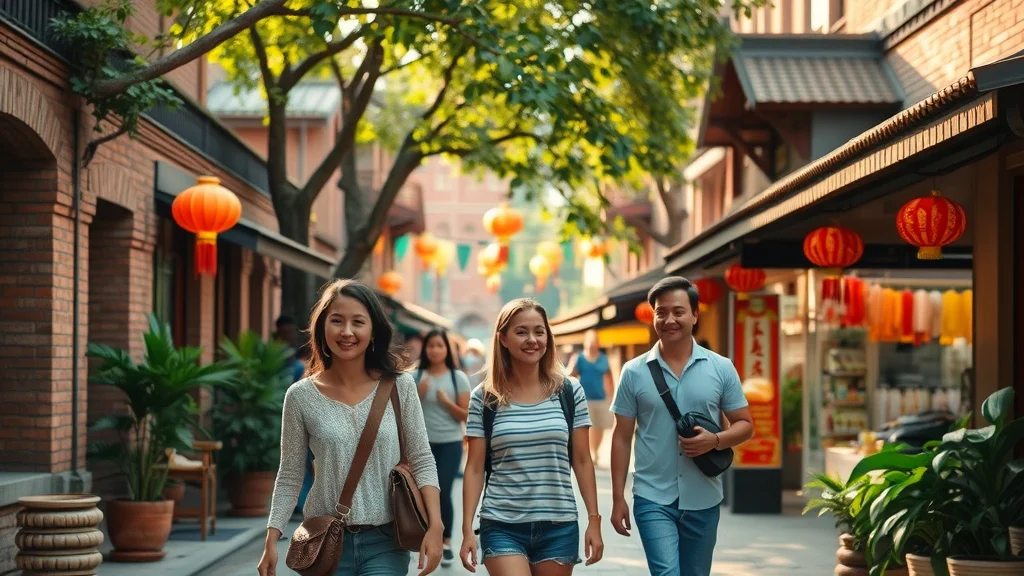
Crafting Your Chiang Mai Itinerary—A Personal Invitation
“Chiang Mai isn’t just a destination; it’s a tapestry of experiences waiting to be woven into your life’s story.”
Welcome to Chiang Mai, where each day invites you to savor the present, forge meaningful connections, and journey deeper into the heart of Northern Thailand. This itinerary isn’t just a checklist—it’s an invitation to create memories, one thoughtful choice at a time.
What You’ll Learn in This Chiang Mai Itinerary Guide
- How to structure your days in Chiang Mai for maximum discovery
- The best activities for every traveler in your Chiang Mai itinerary
- Must-see highlights like Doi Suthep, cooking classes, and night market gems
- Key tips for optimizing your day Chiang Mai itinerary
- Answers to frequently asked itinerary questions
- Local insights on food, culture, and meaningful experiences
By the end, you’ll be able to craft your ideal Chiang Mai itinerary—balancing iconic attractions, hands-on adventures, and moments of genuine Thai hospitality.
Essential Planning: Key Facts for Your Chiang Mai Itinerary
Before you dig into the details of your day Chiang Mai itinerary, familiarize yourself with the essential logistics. From weather tips to daily highlights, this quick-reference table gives you a smart overview to easily organize each stage of your journey.
| Day | Focus | Highlights | Notes |
|---|---|---|---|
| Day 1 | Old City & Temples | Wat Phra Singh, Old City walk, Thai massage, Night Market | Concentrate on classic inner city sights and easy walks |
| Day 2 | Culture & Cuisine | Cooking Class, Doi Suthep, Riverside dining | Mix hands-on learning with scenic mountain views |
| Day 3 | Nature & Villages | Elephant Sanctuary, Local Villages, Rural picnic | Prioritize ethical animal encounters and authentic communities |
| Add-Ons | Day Trips | Chiang Rai, Trekking, Waterfalls | Plan ahead for early departures and return travel |
How Many Days in Chiang Mai? Choosing the Perfect Duration
How long should your Chiang Mai itinerary be to get the most out of this enchanting city? The answer depends on your travel goals, pace, and curiosity. For many, a 3 day itinerary provides a perfect introduction—enough to see landmark temples, taste local flavors like Khao Soi, and wander vibrant night markets. Extending to 5 days means you’ll experience a cooking class, a day trip to Doi Suthep, and perhaps even a breathtaking trek or elephant sanctuary visit. If you have the luxury of a 7 day Chiang Mai itinerary, you can lose yourself in the countryside, adventure to Chiang Rai’s White Temple, and truly immerse in Thailand’s northern culture.

The beauty of a Chiang Mai itinerary is its flexibility. Whether a whirlwind weekend or a slow, contemplative week, this guide will help you tailor your days for maximum impact, leaving room for spontaneous discovery and rest. Remember, quality trumps quantity: even with just a few days in Chiang Mai, your experiences can be rich, deep, and memorable.
Deciding Between a 3, 5, or 7 Days in Chiang Mai Itinerary
- 3 days in Chiang Mai: Ideal for highlights—temples, markets, food, and Old Town atmosphere.
- 5 days in Chiang Mai: Perfect for adding a cooking class, Doi Suthep, or even a half-day at an elephant sanctuary.
- 7 days in Chiang Mai: Full immersion—day trips to Chiang Rai, trekking, deep dives into local villages and art scenes.
Consider your travel style: Are you an adventurer, foodie, culture buff, or relaxation seeker? Pick the duration that syncs with your spirit for the ultimate Chiang Mai itinerary.
Day 1 Chiang Mai Itinerary: Exploring the Heart of the Old City
Day one of your Chiang Mai itinerary is all about immersing yourself in the city’s storied Old Town. Here, ancient city walls cradle a treasure trove of Buddhist temples, lively street scenes, soulful markets, and welcoming Thai smiles. Whether your passion is history, architecture, or just soaking up authentic northern Thai life, Old Town delivers an inviting introduction to everything Chiang Mai has to offer.
Morning: Temples of Chiang Mai Old Town and City Wall Stroll
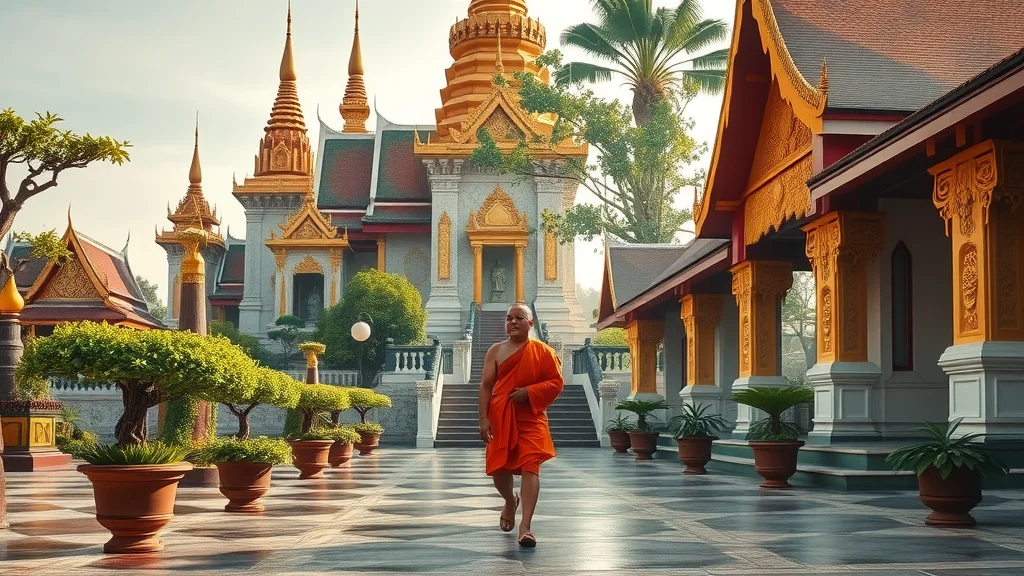
Begin your day Chiang Mai itinerary with a dawn walk along the red-brick city walls, letting the morning light reveal the beauty of Wat Phra Singh, the city’s holiest temple. Absorb the quiet power of Lanna architecture—tall wood beams, gold-flecked stupas, and intricate naga stairways—before moving on to Wat Chedi Luang or the tranquil Wat Phra That Doi Suthep, if you’re feeling ambitious. As you meander, let the rhythm of local life infuse your journey: monks collecting alms, the sizzle of early riser markets, and bursts of floral scent from frangipani trees. A careful blend of reflection and discovery, starting your chiang mai itinerary here ensures you appreciate the city’s spiritual heart before adventuring into its vibrant pulse.
Lunch: Savoring Khao Soi in Chiang Mai’s Culinary Hotspots
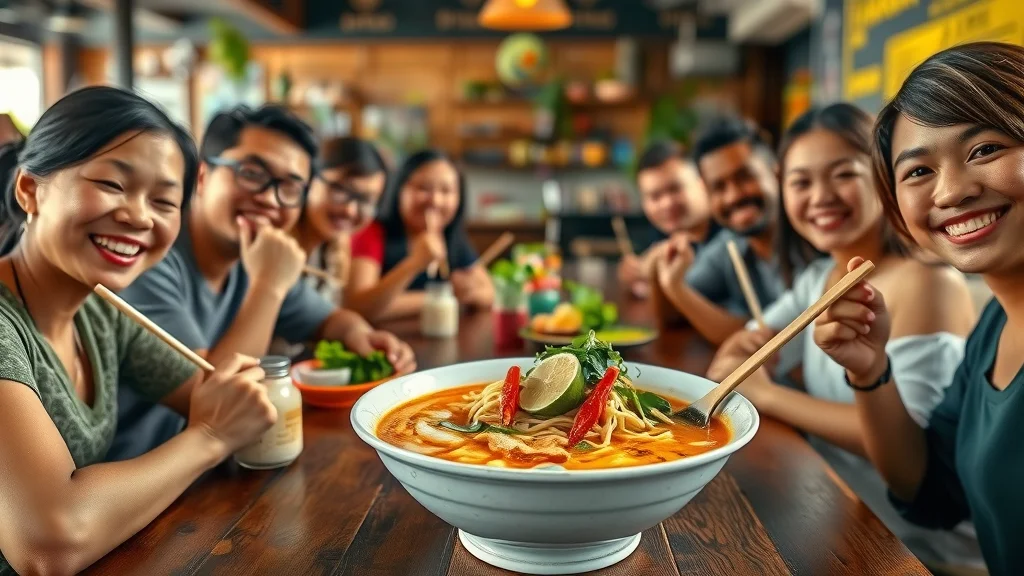
No Mai itinerary is complete without savoring Khao Soi, the city’s signature dish. Stop at a bustling noodle shop—like Khao Soi Khun Yai, Khao Soi Mae Sai, or a humble Old City canteen—and order a steaming bowl of this golden curry noodle soup, topped with crunchy fried noodles, fresh herbs, lime, and spicy chili. Whether you go classic with chicken or choose a vegetarian version, Khao Soi is more than a meal: it’s a celebration of Northern Thai cuisine and the perfect energy boost for exploring farther into your Chiang Mai itinerary.
Afternoon: Thai Massage Experiences in Chiang Mai
Treat yourself to one of Chiang Mai’s most soothing pleasures—a restorative Thai massage. Plenty of reputable spas and wellness centers, like Fah Lanna Spa and Oasis Spa, offer affordable treatments right in the Old Town. Traditional Thai massage is a blend of acupressure, yoga-like stretches, and mindful touch, leaving you recharged for your next adventure. Many travelers say their day Chiang Mai itinerary wouldn’t be complete without this blissful pause—so carve out an afternoon to relax, recharge, and support authentic local wellness traditions.
Evening: Chiang Mai Night Market Adventure
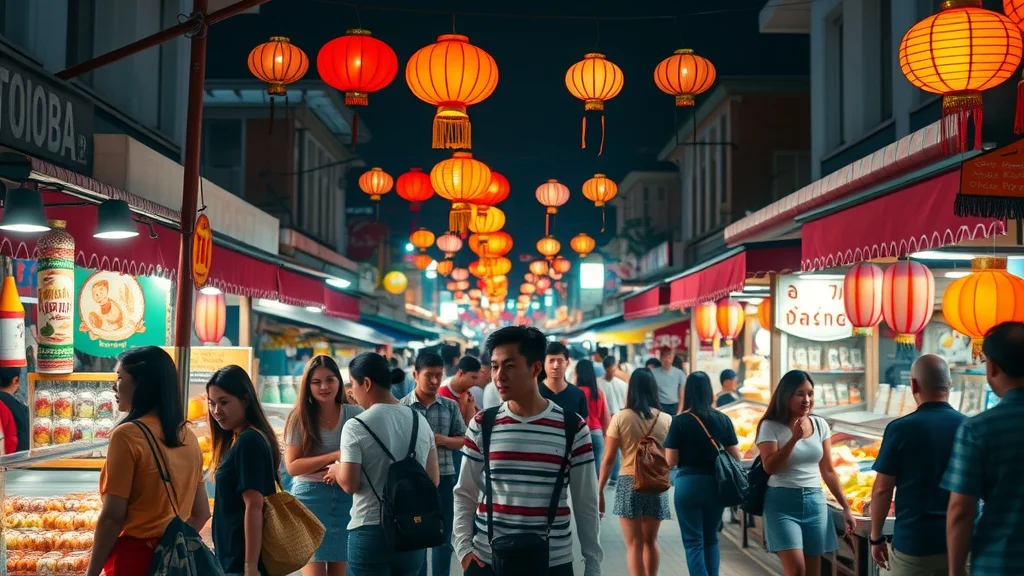
As dusk falls, follow your senses to Chiang Mai’s famed night markets. The Sunday Walking Street, Warorot Market, and the Night Bazaar come alive with glowing lanterns, music, and the aromas of street food. Shop unique crafts—think handwoven textiles, bright paper lanterns, and antiques—or simply snack your way through mango sticky rice, grilled skewers, and more. These night markets are the beating heart of Chiang Mai: where cultures mingle, stories are shared, and every explorer finds a piece of the city to carry home.
Craving more? Walking tours are a wonderful way to dig deeper into Old Town’s layered stories, hidden alleys, and unmissable foodie stops.
Day 2 Chiang Mai Itinerary: Culture, Cooking Class, and Doi Suthep
On day two of your Chiang Mai itinerary, widen your lens to capture the city’s cultural richness. This day blends hands-on discovery—a traditional Thai cooking class—with a scenic pilgrimage to the region’s most iconic mountain temple, Doi Suthep, and a magical riverside dinner. If day one was about history and heart, today is for deepening your senses and finding new perspectives.
Morning: Traditional Chiang Mai Cooking Class

Awaken your inner chef in a vibrant Thai cooking class. Local schools like Siam Rice, Zabb E Lee, and Asia Scenic guide travelers from market visits—where you’ll learn to spot the freshest lemongrass, chilies, and kaffir lime leaves—to creating classic dishes you’ll savor for lunch. The experience is as much about storytelling as it is about food, with chefs sharing recipes, family traditions, and regional secrets. By noon, you’ll be serving up your own northern Thai specialties, from som tam (spicy papaya salad) to homemade Khao Soi.
Lunch: Sample Your Own Thai Dishes
There’s nothing quite like enjoying a meal you made yourself—with a Thai twist. Most cooking classes end in a communal feast where students gather to taste their creations. This isn’t just a delicious break in your chiang mai itinerary—it’s a moment to connect with new friends, swap travel tips, and savor the flavors of Chiang Mai from a cook’s-eye perspective. Trust us: Your taste buds and your Instagram feed will thank you!
Afternoon: Journey to Doi Suthep and Panoramic City Views
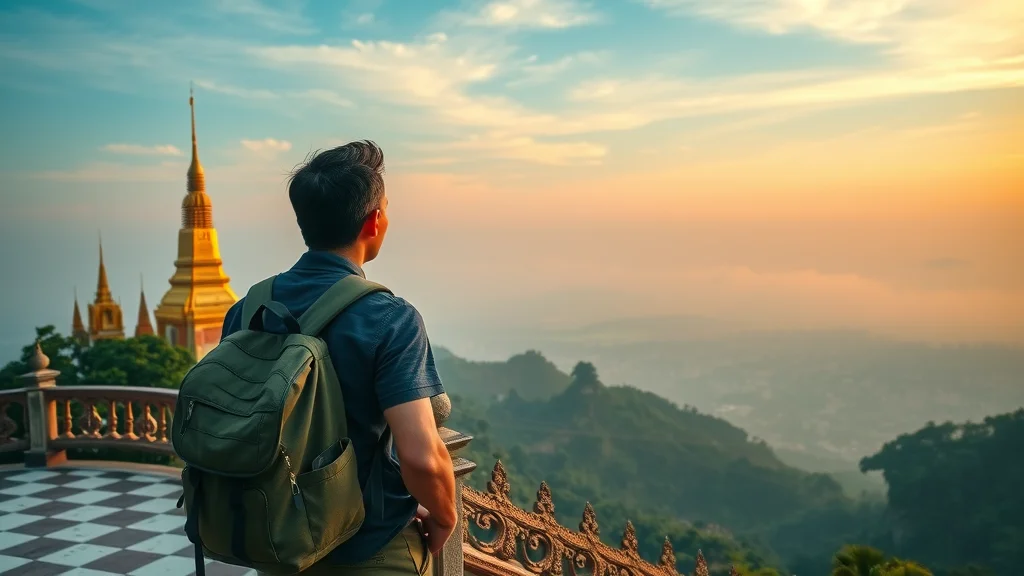
Post-lunch, head up winding roads through mountain forests to the sacred Wat Phra That Doi Suthep. A powerful symbol, this golden temple perched high above the city offers both spiritual significance and jaw-dropping views. Climb the naga serpent staircase, listen to temple bells, and pause for a panoramic look at the Chiang Mai skyline. History buffs will love the artifacts and folklore; photographers, the golden Chedi aglow at sunset. From here, your Chiang Mai itinerary finds both inspiration and calm—local legend says you haven’t truly visited Chiang Mai until you’ve seen the city from Doi Suthep.
Evening: Riverside Dining in Chiang Mai
Wrap up your day with a riverside dinner along the Ping River. Choose from cozy bistros with twinkling lights, elegant Thai restaurants, or casual spots where live music drifts on the night air. Sample favorites like Nam Prik Ong (spicy tomato dip) or classic grills just as the city lights begin to sparkle. There’s no better way to reflect on the discoveries of your chiang mai itinerary—and prepare for another full day ahead.
Day 3 Chiang Mai Itinerary: Nature, Elephant Sanctuary, and Villages
By your third day, it’s time to trade city hustle for the wild beauty of northern Thailand’s countryside. Spend your day connecting with rescued elephants at an ethical sanctuary, enjoying a scenic picnic, and exploring welcoming rural villages that offer a taste of real Chiang Mai community life. This is where your day Chiang Mai itinerary seamlessly links adventure, education, and cultural immersion.
Day Trip to Ethical Elephant Sanctuary Near Chiang Mai

Start early for a full- or half-day adventure at a reputable elephant sanctuary—such as Elephant Nature Park or Elephant Jungle Sanctuary. These centers champion responsible, hands-off tourism: here, you’ll observe elephants bathing, feeding, and simply living out their days in peace. Visitors often find the experience transformative—learning about conservation, the dangers of traditional trekking, and the stories behind each rescued elephant. Booking ahead is essential, and remember to choose a sanctuary focused on rescue, not rides, for an ethical Chiang Mai itinerary.
Lunch: Picnic in the Northern Thai Countryside
Many sanctuary tours include a tasty vegetarian lunch or picnic by the riverside, packed with fresh fruit, sticky rice, and local curries. Pausing in a shaded spot by the water, you’ll appreciate the tranquil pace and natural beauty that define the northern Thai countryside. Whether you’re mingling with fellow travelers or simply soaking up the green vistas, this is a moment to savor in your day Chiang Mai itinerary.
Afternoon: Explore Local Villages—A Taste of Authentic Chiang Mai
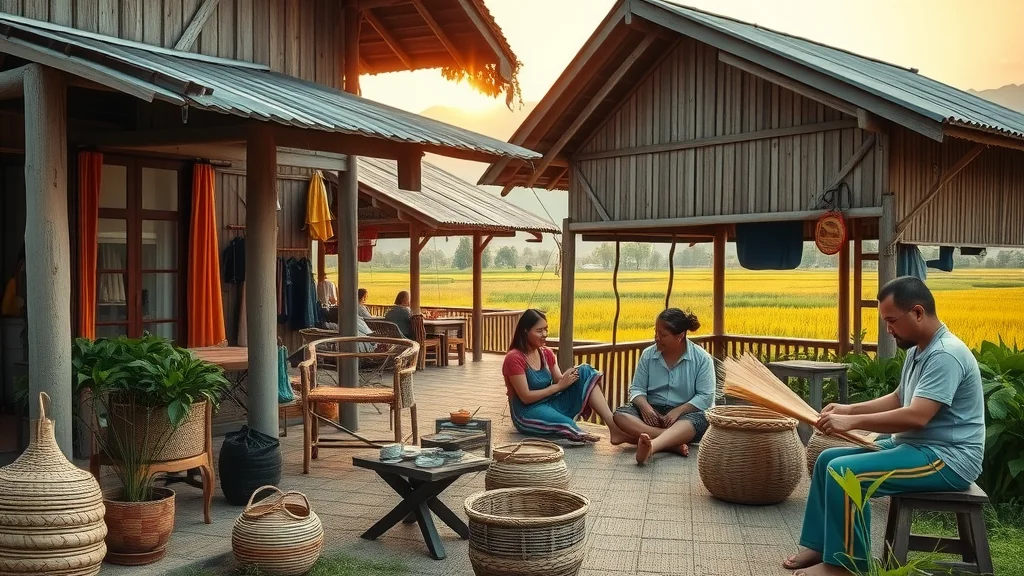
After lunch, venture into nearby villages nestled among rice paddies and forested hills. Visits often include stops at local artisan workshops, where you’ll see textile weaving, basket making, or even hill tribe handicrafts. Children play in the fields, elders share folk tales, and everyone greets you with genuine Thai hospitality—a truly heartwarming inclusion for your chiang mai itinerary. Remember: At every stop, respect cultural etiquette (modest clothing, polite greetings) and support artisans by choosing locally made crafts over mass-produced souvenirs.
- Top-rated elephant sanctuaries: Elephant Nature Park, Elephant Jungle Sanctuary
- Cultural etiquette: Dress respectfully, ask before taking photos, and always greet with a warm “Sawasdee Ka/Krap”
Add-Ons for Your Chiang Mai Itinerary: Beyond the City
Looking for more after your main Chiang Mai itinerary? The region bursts with possibilities—day trips to dazzling temples, misty mountains, and cascading waterfalls. Get ready to expand your journey and create even richer memories.
Day Trip to Chiang Rai: White Temple and Local Art
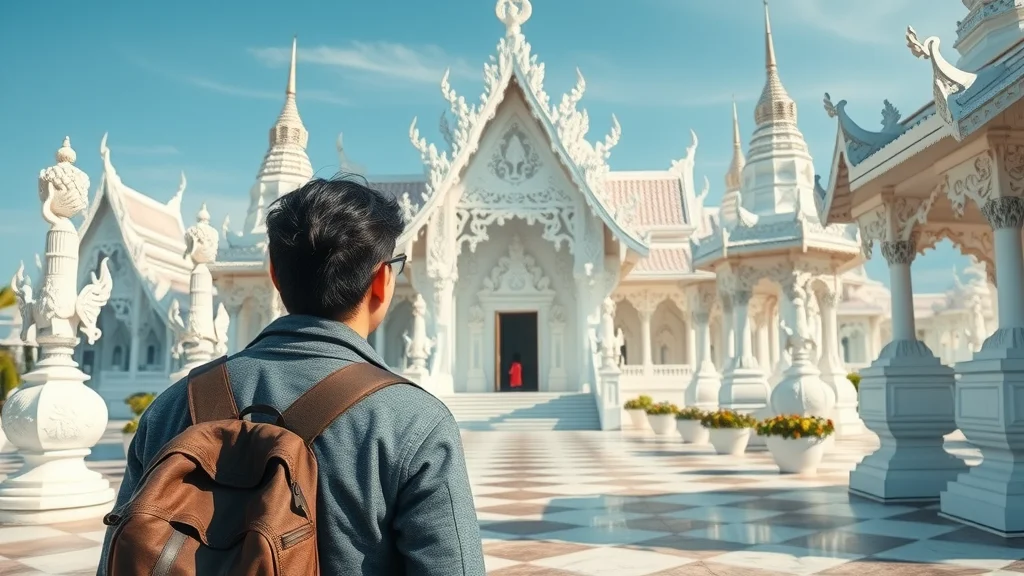
A popular day trip from Chiang Mai, Chiang Rai’s White Temple—Wat Rong Khun—glitters with surreal beauty and avant-garde sculpture. Admire the shimmering facade, then explore neighboring art galleries and local cafes. Most travelers join guided tours or hire a car, with the journey taking about three hours each way. For true art lovers, this extension is a resplendent chapter in your chiang mai itinerary.
- White Temple highlights: intricate design, ethereal bridge, reflective sculptures
- How to get there: Bus, private taxi, or organized day tour (recommended for ease)
- Chiang Rai day tour tips: Go early, bring sun protection, allow time for a local meal
Active Days: Trekking and Waterfalls in the Chiang Mai Region
- Recommended hikes: Doi Inthanon National Park, Wat Pha Lat jungle walk
- Mist-laden Mae Sa Waterfall—perfect for a refreshing dip and forest picnic
- Safety tips: Carry water, wear sturdy shoes, and avoid hiking alone
Explore a wilder side of northern Thailand—from gentle bamboo forest walks to epic treks through terraced farms and hill tribe hamlets. Each step reveals a new facet of the region’s timeless beauty.
Dining on Your Chiang Mai Itinerary: Best Eats & Local Cuisine
- Best khao soi in Chiang Mai: Khao Soi Khun Yai, Khao Soi Mae Sai, and local night markets
- Street food favorites: Sai Oua (herb sausages), grilled pork skewers, mango sticky rice
- Vegetarian options: Pun Pun, Reform Kafé, and most food stalls
- Night bazaar food stalls: Sample diverse Thai and regional specialties, perfect for adventurous palates
“Sampling Chiang Mai’s markets is sampling the heart of Northern Thailand.”
Food is one of Chiang Mai’s greatest storytellers. Make time in your mai itinerary for unexpected food stalls, hidden noodle shops, and midnight mango sticky rice runs. Whether carnivore or vegan, there’s a meal in Chiang Mai that will become your new favorite.
Shopping and Night Markets on Your Chiang Mai Itinerary
- Famous night markets: Sunday Walking Street, Night Bazaar, Warorot Market
- What to buy: Handcrafted jewelry, traditional textiles, artisan coffee, playful souvenirs
Don’t miss an evening or two scouring Chiang Mai’s bustling markets for thoughtful gifts and cheerful mementos. Embrace the joy of bargaining, and honor local artistry by supporting small-scale craftspeople.
Spa and Wellness on Your Chiang Mai Itinerary: Relaxation in the North
- Top Thai massage experiences: Fah Lanna Spa, Cheeva Spa, Lila Thai Massage
- Recommended spas: Many offer herbal steam, oil massage, and traditional therapies
- What to expect: Calm, hospitality, ancient techniques
- Cultural etiquette: Arrive early, dress modestly, tip your therapist

Chiang Mai is Southeast Asia’s relaxation capital, so let your chiang mai itinerary include rest and renewal. Whether after trekking, exploring, or just to unwind, a spa visit grounds your trip in tranquility and mindfulness.
Best Places to Stay on Your Chiang Mai Itinerary
- Old Town guesthouses: Cozy, historic, close to temples and markets
- Riverside boutique hotels: Scenic river views, chic design, romantic ambiance
- Hostels and budget options: Social, affordable, traveler-friendly
- Luxury resorts: Secluded, lush, top-tier amenities—inspire longer stays!
Book your accommodation in advance, especially during peak festival seasons. Choose a spot that aligns with your chiang mai itinerary—whether walking distance to temples, riverside relaxation, or immersive local neighborhoods.
Travel Tips for Your Chiang Mai Itinerary: Getting Around and Staying Safe
- Tuk-tuks, songthaews (red trucks), and taxis: Efficient, affordable, easy to arrange
- Walking and cycling safety: Be alert, watch for uneven sidewalks, mind traffic patterns
- Essential travel apps: Grab, Google Maps, translation tools for easy navigation
Chiang Mai is a friendly city for solo travelers, families, and couples alike. Stay alert, use reputable transport, and always keep your phone charged for spontaneous day trip or sightseeing inspiration.
Insider Tips for an Unforgettable Chiang Mai Itinerary
- Festivals and cultural events: Loy Krathong, Yi Peng lantern festival, Songkran (Thai New Year)
- Hidden treasures off the beaten path: Pha Lat Temple, hidden alley cafés, local artist studios
- Sustainable travel practices: Reusable water bottles, eco-conscious tours, respect for local customs
Keep your chiang mai itinerary open to surprise. Sometimes, those unplanned detours—stumbling onto a neighborhood festival or wandering into a peaceful forest wat—become the unforgettable highlights of your journey.
People Also Ask: Top Questions about Planning a Chiang Mai Itinerary
How many days should I spend in Chiang Mai for a complete experience?
For most travelers, 3–5 days in Chiang Mai offers the ideal balance—enough time to savor signature sights, sample essential food, try a cooking class, and add a day trip or two. If your schedule allows, a 7 day Chiang Mai itinerary lets you explore at a gentler pace and discover authentic out-of-town adventures.
What is the best time of year to follow a Chiang Mai itinerary?
The best months for a Chiang Mai itinerary are November to February—dry, cool, and filled with festivals like Yi Peng. Late October and March are also excellent, but avoid April’s intense heat and the smoky air of March/April “burning season.”
Is Chiang Mai suitable for families on an itinerary?
Yes! Chiang Mai is very family-friendly, with plenty of hands-on activities (like cooking classes), caring locals, and fun markets. Just be mindful of younger kids’ energy for temple hopping and the pace of day trips.
What should I pack for a Chiang Mai itinerary?
Pack light, breathable clothes (modest for temples), sturdy shoes for urban walks and trekking, sun protection, and eco-friendly toiletries. A reusable water bottle is a must for sustainable travel.
Can I do a Chiang Mai itinerary without speaking Thai?
Absolutely! Most locals speak at least basic English, especially in hospitality and tourist sites. A few Thai phrases and a smile go a long way. Downloading translation apps can be a huge help too.
Are elephant sanctuaries in Chiang Mai ethical for visitors?
Yes, if you choose the right ones—look for sanctuaries (like Elephant Nature Park) that forbid rides, promote observation over interaction, and are focused on rescue and rehabilitation, not performance or entertainment.
FAQs: Common Chiang Mai Itinerary Questions Answered
- How to book tours: Use hotel front desks, trusted agencies, or reputable online platforms (TripAdvisor, GetYourGuide, Klook).
- Money and tipping expectations: Cash is king—carry small bills; typical tip is 10–20 baht for small services, 10% at mid-range restaurants.
- Safety and local customs: Chiang Mai is very safe; dress modestly at temples and never touch a person’s head or point with your feet.
Key Takeaways for Planning Your Ultimate Chiang Mai Itinerary
- Start each day with purpose—mix temples, markets, and local culture.
- Don’t miss hallmark experiences: Doi Suthep, Night Bazaar, Khao Soi, and at least one day trip.
- Respect local tradition at every step—modest dress, kind words, heartfelt curiosity.
- Leave white space in your schedule for spontaneous moments. Magic in Chiang Mai happens when you least expect it.
Begin Your Chiang Mai Adventure—Share Your Itinerary with Others
- Please like, share and comment on this article


Write A Comment