 Add Row
  Add
Add 
Did you know? According to the World Health Organization, the cost of healthcare in Thailand can be more than 70% lower than in many Western countries, but patient care standards often rival what’s found in Europe or North America

Startling Facts: The Reality Behind the Cost of Healthcare in Thailand
The cost of healthcare in Thailand is a topic generating global interest, thanks to dramatic disparities between Thai prices and those charged in countries like the US, UK, and Australia. Medical tourists, expats, and even locals benefit daily from a system that proves world-class healthcare doesn't need to break the bank. Public hospitals offer incredibly low-cost treatment—sometimes even free for Thai citizens—while many private and international hospitals deliver luxury-level amenities at a fraction of Western costs. These savings aren’t just anecdotal; statistics show the average care cost for both basic and advanced procedures is consistently affordable and accessible.
However, understanding the different components that shape these costs is crucial. Economic factors, government policy, and the unique structure of Thailand’s dual public-private care system all play a part. For expats, retirees, or short-term visitors, navigating these options can be daunting, but proper insight allows anyone to secure high-quality health coverage and treatment while making significant savings. Whether you’re seeking routine checkups or specialized surgeries, knowing how Thailand’s healthcare system stacks up against global standards is the first step to maximizing your medical care budget.
"A recent WHO report reveals that healthcare costs in Thailand can be over 70% lower than in Western countries, while maintaining high standards of care."
What You'll Learn About the Cost of Healthcare in Thailand
- Breakdown of care system options in Thailand
- Comparing public and private hospital healthcare costs
- Deep dive into health insurance in Thailand
- Tips for reducing your care cost without sacrificing quality
- Understanding the healthcare system as an expat or tourist
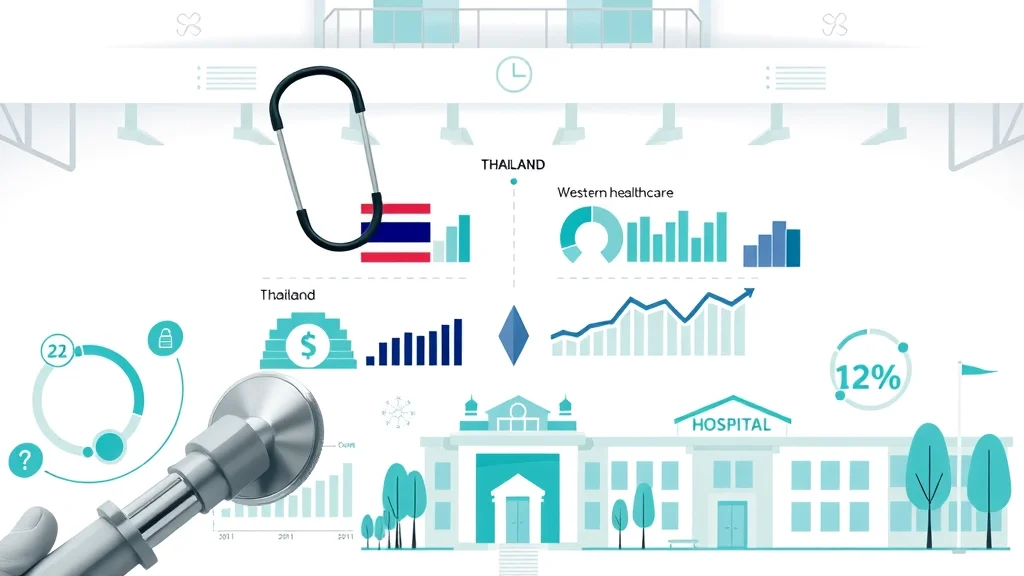
Overview: Understanding the Healthcare System and Care Cost in Thailand
The foundation of low healthcare costs in Thailand starts with its unique healthcare system. The country promotes universal coverage with both public and private providers, making it possible for everyone—from local Thai citizens to foreign retirees and tourists—to access varying levels of care. While the government invests heavily in public hospitals and clinics to keep basic services affordable, the private sector has flourished, providing advanced technology, personalized care, and comfort at slightly higher—but still reasonable—costs. This dual approach is what keeps the cost of healthcare in Thailand within reach, no matter your needs or background.
Thailand’s care system is also built around a tiered structure, balancing low-cost accessibility with options for higher-end private hospitals and international clinics. This means a range of price points—with an array of quality options—is available across the country. Many expats and long-term visitors are surprised to discover the efficiency and professionalism at all levels, but knowing when and where to access specific healthcare services can save you thousands of dollars annually. Understanding these structural elements primes you to take full advantage of both cost savings and quality health outcomes.
Structure of the Healthcare System in Thailand
At its core, Thailand’s healthcare system consists of three principal components: public hospitals, private hospitals, and international hospitals. The vast majority of Thai citizens utilize public hospitals, which are subsidized by the government through various coverage schemes like the Universal Coverage Scheme (UCS), Civil Servant Medical Benefit Scheme (CSMBS), and Social Security Scheme (SSS). These programs ensure that the primary care cost is low—or even free—for eligible individuals, while foreign nationals, tourists, and retirees can access public services for a modest fee. The public system prioritizes accessibility, widespread presence, and cost controls, even if waiting times can be longer than in the private sector.
Private hospitals and clinics serve as a parallel track, offering shorter wait times, English-speaking staff, and advanced amenities. These facilities are typically chosen by expats, medical tourists, and locals seeking more comfort or specialized medical care. International hospitals, often accredited by organizations such as JCI (Joint Commission International), take this a step further by delivering global standards and support for foreign insurance policies. This public-private balance is key to helping everyone—locals and foreigners alike—enjoy high quality healthcare services at affordable prices.
Key Drivers of Healthcare Costs
Multiple factors shape the cost of healthcare in Thailand and help keep prices substantially lower than in other developed nations. Government intervention plays a crucial role, with significant investments in public healthcare infrastructure and strict regulation of medical service prices in the public sector. Pharmaceutical pricing controls and subsidization of key treatments further contribute to cost containment for Thai citizens and visitors alike. Additionally, the large number of medical professionals and ongoing health coverage reforms help maintain high standards across the system.
Private and international hospitals can set higher rates based on market demand, premium services, and brand reputation, but competition and consumer choice often keep these prices well below international averages. The cost of healthcare can also be influenced by the implementation of health insurance schemes, both at the national and private levels. Whether you’re relying on universal coverage, an employer-backed plan, or a specialized expat health insurance policy, understanding these drivers helps you plan for—and minimize—your total medical care spending in Thailand.

Comparison: Healthcare System Versus Other Countries
When comparing Thailand’s healthcare system and costs against countries such as the USA, UK, or Australia, the differences are immediately clear and often staggering. In the US, for instance, a routine doctor’s appointment without insurance can easily exceed $150, while the same service in Thailand’s public or private sector might cost just $10-$30. Hospitalization and surgery rates, too, are often less than half of what’s charged in Western private hospitals. Thailand’s vast network of accredited healthcare facilities, highly trained physicians, and a robust mix of public and private hospitals means you enjoy rapid access, high quality care, and choice at a fraction of international rates.
The country’s integration of universal and tiered health coverage options makes it particularly attractive for expats and retirees on fixed incomes, as well as medical tourists seeking elective or complex medical treatments. These systematic differences—combined with an emphasis on preventive care and patient satisfaction—contribute to an overarching narrative: Thailand delivers quality health coverage and outcomes with exceptional value, making it a preferred destination for affordable healthcare worldwide.
| Type of Medical Service | Thailand (USD) | USA (USD) | UK (USD, Private) | Australia (USD, Private) |
|---|---|---|---|---|
| Doctor Visit | $10 – $30 | $150 – $300 | $100 – $200 | $50 – $150 |
| Hospital Stay (per night) | $30 – $150 | $2,000+ | $800+ | $600+ |
| Basic Surgery | $1,500 – $3,000 | $10,000 – $30,000 | $8,000 – $20,000 | $7,000 – $15,000 |
| CT/MRI Scan | $100 – $250 | $1,200 – $3,000 | $800 – $1,500 | $400 – $1,000 |
Types of Hospitals in Thailand and Their Healthcare Cost Differences
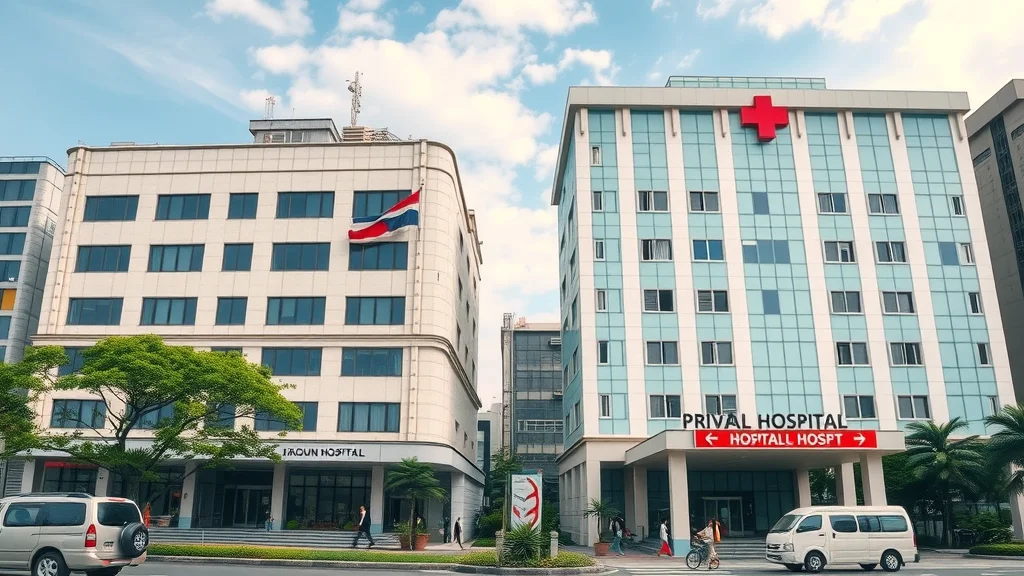
Public Hospitals: Accessibility and Cost of Healthcare in Thailand
Public hospitals form the backbone of Thailand’s healthcare system, especially for Thai citizens but also for foreigners willing to wait for services. The cost of healthcare in Thailand is at its lowest within this system, largely because of government funding and the universal coverage scheme. Routine check-ups and standard procedures may cost as little as $5-$15, and Thai citizens frequently pay nothing out-of-pocket for essential services. Facilities may be less luxurious compared to high-end private clinics, and wait times can be longer, but trained professionals, well-regulated treatment protocols, and continuously updated medical equipment ensure sound standards of care for all.
Foreigners can access public hospitals at non-subsidized rates, which remain highly competitive by international standards. Whether you’re an expat on a tight budget or a traveler in need of urgent care, public hospitals deliver necessary healthcare services at prices that are affordable even for those without health insurance in Thailand. Paying attention to these options can help anyone significantly cut their total care cost while maintaining consistent and reliable medical care.
Private Hospitals: What to Expect and Care Costs
Private hospitals in Thailand introduce patients to a different class of service—marked by minimal wait times, personalized care, English-speaking staff, and modern amenities. These facilities cater to both affluent local consumers and the increasing number of expats and international patients seeking treatment in Thailand. While care costs are higher in private hospitals compared to public ones, they remain a fraction of what’s common in the West. For example, a doctor’s consultation might run $30-$70, while overnight stays, diagnostics, and elective procedures are packaged at clear, transparent prices.
When comparing private versus public hospitals in Thailand, it’s important to look at what you’re paying for: additional comfort, flexibility for scheduling, and direct access to top specialists. This makes private facilities particularly attractive for time-sensitive treatments, comprehensive annual checkups, or specialized surgeries. By understanding the full spectrum of care system options, you can decide when a private facility is worth the extra healthcare cost and when public services would suffice for routine health coverage and needs.
International Hospitals in Thailand: Premium Health Coverage and Costs
International hospitals set a benchmark for quality health and convenience, drawing thousands of medical tourists each year. These premium facilities are internationally accredited, offer advanced medical technology, and provide tailored experiences including translators, concierge services, and direct billing with foreign insurance providers. While the healthcare costs here rank at the top end for Thailand, they’re still only a fraction of equivalent private hospitals in the US, Europe, or Australia.
Expats, retirees, and seasonal residents often favor international hospitals when comprehensive and seamless health coverage is a priority. Here, language is never a barrier, and patient support is available 24/7. Costs for doctor visits, inpatient stays, and even major surgeries remain highly competitive, offering expats global standards without the sticker shock. For travelers or those with private or international health insurance, these hospitals represent a prudent balance of comfort, safety, and affordability.
Tour of a Private Hospital in Thailand: What You Should Know About Healthcare Costs
Navigating Health Insurance in Thailand: Options and Savings
The cost of healthcare in Thailand is dramatically influenced by your choice of health insurance. Three main options exist: national health insurance, private health insurance, and specialized international insurance for expats and tourists. Each coverage scheme has its pros and cons, and knowing the details can mean the difference between effortless care and unexpected expenses. The key is to compare coverage levels, read the fine print in every insurance policy, and ensure your insurance provider is recognized at the hospitals or clinics you plan to use. Whether you’re a Thai citizen, resident, or frequent visitor, there’s an insurance plan to minimize care costs while guaranteeing timely medical care.
For most expats, weighing the benefits of local, private, or international coverage is essential. Some choose Thai-only plans to maximize savings, while others prefer global policies with evacuation options and higher annual limits. The flexibility of Thailand’s care system and insurance market means there is plenty of room for customization, allowing you to select a plan that aligns perfectly with your risk profile, budget, and the level of quality health you expect. Smart selection—based on a clear understanding of coverage schemes and exclusions—empowers you to spend far less on healthcare while enjoying peace of mind.
National Health Insurance Coverage vs. Private Health Insurance
For Thai citizens, national health insurance (such as the Universal Coverage Scheme) is the gold standard for affordable care. These programs are largely funded by the government and ensure extensive coverage with minimal out-of-pocket expense for most essential treatments and preventive care. For expats or non-citizens, accessing these national schemes directly is generally not possible; however, those with a work permit and Thai employer may be eligible for Social Security Scheme (SSS) benefits, extending the reach of subsidized healthcare coverage in Thailand.
Private health insurance, on the other hand, is available to anyone—including expats, retirees, and long-term tourists. Policies vary widely, from local Thai-only plans focused on basic hospital care, to international insurance plans offering global treatment, emergency evacuation, and higher annual benefit limits. Premiums are modest compared to Western rates, and many private hospitals provide direct billing arrangements to insured patients. This helps eliminate surprise expenses and ensures continuity of care during unforeseen health events.
International Health Insurance for Expats & Tourists
More and more expats and long-stay visitors opt for international health insurance to bridge the gap between local affordability and the desire for premium, globally accepted coverage. International policies are especially valuable if you travel often or want the flexibility to receive treatment outside Thailand. These plans usually include robust in- and out-patient benefits, mental health coverage, dental care, and medical evacuation.
While international health insurance is the priciest option, it grants access to most private and international hospitals in Thailand with minimal paperwork and high policy limits. For digital nomads, retirees, and foreign business owners, the ability to get care at top-tier facilities and have direct communication with overseas insurance provider networks can be well worth the annual premium. As always, reviewing the scope of coverage, pre-existing conditions, deductible structures, and exclusions is crucial to avoid surprises when medical care is needed the most.

Choosing the Right Insurance Plan for the Best Healthcare Cost Benefit
- Key differences in health coverage: Local plans may have hospital restrictions, lower annual limits, and limited overseas coverage. International health insurance ensures broader access and higher claim ceilings, perfect for those seeking peace of mind wherever they reside or travel.
- Cost comparisons between insurance plans: Thai-based insurance policies average $1,000–$3,000 annually for expansive coverage, far less than international plans running $3,000–$8,000 depending on age and health status. Balancing premium costs against coverage limits is the best way to optimize your health spending.
- How to file claims for medical care: Direct billing with partner hospitals is common for most health insurance in Thailand, while international plans typically enable online claim submission. Always clarify the process and required documentation with your insurance provider to avoid delays in care or reimbursement.
Explainer: How Health Insurance Works in Thailand
Care Cost Breakdown: Common Medical Services in Thailand
One of the biggest draws for expats and medical tourists is the transparent and consistently low care cost for most common medical services in Thailand. Whether you need a basic consultation or a complex procedure, understanding the range of fees and what’s included in your bill can help you plan and make smart financial decisions. Below you’ll find a practical summary of what to expect when budgeting for typical healthcare services—making it easy to compare the cost of healthcare in Thailand against global alternatives.
Routine doctor visits are not only affordable, but often include diagnostics and basic medication. Overnight hospital stays, complex surgeries, and advanced imaging (CT, MRI, ultrasound) are similarly cost-effective, especially when compared to Western markets. Many private and international hospitals also provide transparent packages for non-urgent procedures, making it possible to avoid surprise costs and maximize your coverage—whether you’re using local insurance, expat health insurance, or paying out-of-pocket.
| Medical Service | Public Hospital (USD) | Private Hospital (USD) | International Hospital (USD) |
|---|---|---|---|
| Doctor Visit | $5 – $20 | $20 – $70 | $40 – $100 |
| Hospital Stay (per night) | $30 – $70 | $100 – $250 | $200 – $600 |
| Uncomplicated Surgery | $1,000 – $2,000 | $2,000 – $6,000 | $4,000 – $10,000 |
| MRI/CT Scan | $80 – $150 | $150 – $300 | $200 – $350 |
| Routine Lab Work | $5 – $20 | $20 – $50 | $40 – $80 |
Saving on Medical Care While Ensuring Quality Health Outcomes
Reducing healthcare spending without sacrificing quality is possible when you combine awareness of the system with practical tactics. Many expats and locals take advantage of government-supported hospitals for everyday care, where subsidized rates mean out-of-pocket costs are minimal. For higher-end care, negotiating package prices in private hospitals—especially for non-emergency procedures—often leads to significant discounts. Smart use of dedicated expat health insurance plans or specialized insurance in Thailand can ensure you’re not left with gaps in coverage, while integrated telemedicine solutions further minimize routine medical care costs.
Remember: Good healthcare doesn’t always mean the most expensive option. By educating yourself about plan options, knowing which clinics or hospitals work best for you, and utilizing technology for minor consultations, you gain peace of mind while keeping the cost of healthcare in Thailand under control. In short, being proactive and informed ensures you access quality care and optimal financial value in every circumstance.

- Utilize government-supported hospitals for basic healthcare needs
- Negotiate care costs in private hospitals
- Make use of expat health insurance and other specialized insurance in Thailand
- Install telemedicine apps to reduce minor medical care expenses
"Thailand’s health coverage system makes world-class healthcare accessible without high financial burden." – Local Expat

People Also Ask: Key Questions About the Cost of Healthcare in Thailand
Is healthcare in Thailand expensive?
Answer: The cost of healthcare in Thailand is generally affordable compared to Western countries, thanks to an efficient care system and diverse healthcare providers.
How much does it cost to see a doctor in Thailand without insurance?
Answer: Doctor visits typically range from $5 to $50 depending on the type of hospital and level of care, making it accessible for most.
Can you live on $3,000 a month in Thailand?
Answer: Yes, $3,000 monthly comfortably covers housing, food, and high-quality healthcare costs in Thailand, even in major cities.
How much does it cost to stay in the hospital in Thailand?
Answer: Hospital stays can range from $30 per night in public hospitals to several hundred dollars in premium private or international hospitals.
FAQs: Cost of Healthcare in Thailand and Smart Spending
- What are the main differences between health insurance plans in Thailand?
- Is private health coverage necessary for expats?
- Can tourists access the national health insurance system?
- Are medications in Thailand included in most healthcare costs?

Key Takeaways for Managing the Cost of Healthcare in Thailand
- Understand the healthcare system and health insurance options for maximum savings
- Compare care costs at public, private, and international hospitals
- Consider expat health insurance for comprehensive coverage
- Always check for hidden costs in your insurance plan
Summary: Getting Quality Health While Keeping Healthcare Costs Low in Thailand
- Analyze your healthcare needs and insurance plan options
- Choose the right hospital and health insurance for your budget
- Stay proactive in managing your care cost with practical tips




Write A Comment