 Add Row
  Add
Add 
Discovering the Best Places to Visit in Southeast Asia
- Have you ever dreamed of a place where ancient temples rise from emerald jungles, the scent of sizzling street food floats through lantern-lit markets, and every sunrise promises a new adventure? Southeast Asia is not just a destination; it’s an invitation to lose yourself and find a piece of your soul along the way. Whether you’re planning a gap year, solo travel adventure, or your next family holiday, each country in southeast Asia offers its own allure—untouched beaches, bustling cities, mystical ruins, and unforgettable encounters. Join us as we journey through the best places to visit in Southeast Asia, where every moment holds a story and every landscape stirs the heart.
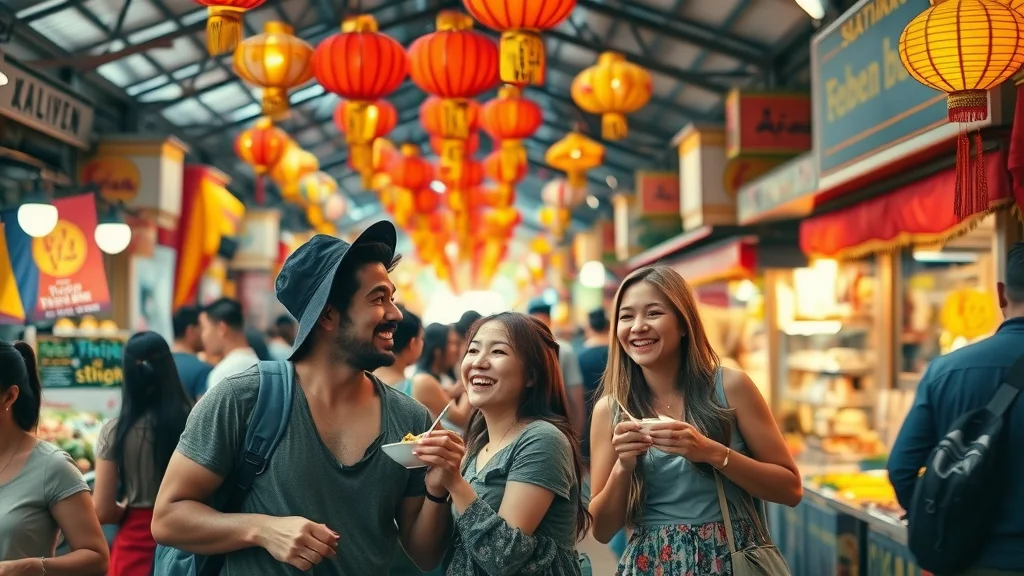
What You'll Learn About the Best Places to Visit in Southeast Asia
- Gain an understanding of Southeast Asia’s top destinations—from legendary UNESCO World Heritage sites to hidden island paradises.
- Learn practical travel tips that ensure a seamless experience, including safety, etiquette, and budgeting for every type of traveler.
- See how to smartly plan your trip based on must-see landmarks, ideal travel seasons, and customized itineraries.
- Explore in-depth insights on remarkable attractions like Angkor Wat, magical Ha Long Bay, serene Luang Prabang, and more.
- Uncover easy-to-read lists and tables for Southeast Asia highlights, helping you build your dream adventure.
Why Southeast Asia Should Top Your Travel List
- Southeast Asia captivates with its diversity: millennia-old temples, bustling metropolises, mystical rainforests, and an array of traditions that color every day with vibrancy. Imagine standing before the grandeur of Cambodia’s temple complexes at sunrise, or sailing past the limestone cliffs of Vietnam’s Ha Long Bay on a quiet morning. From Malaysia’s cutting-edge skylines to Thailand’s tranquil rice paddies, every corner of Southeast Asia tells a tale of resilience, hospitality, and joyous living. Travelers are drawn to its incredible value, unique world heritage sites, mouth-watering food, and the infectious energy of its people. Quite simply, the best places to visit in Southeast Asia have something to astonish every type of explorer.
"Southeast Asia never ceases to surprise with each journey—its landscapes and people transform every trip into a lifelong memory."
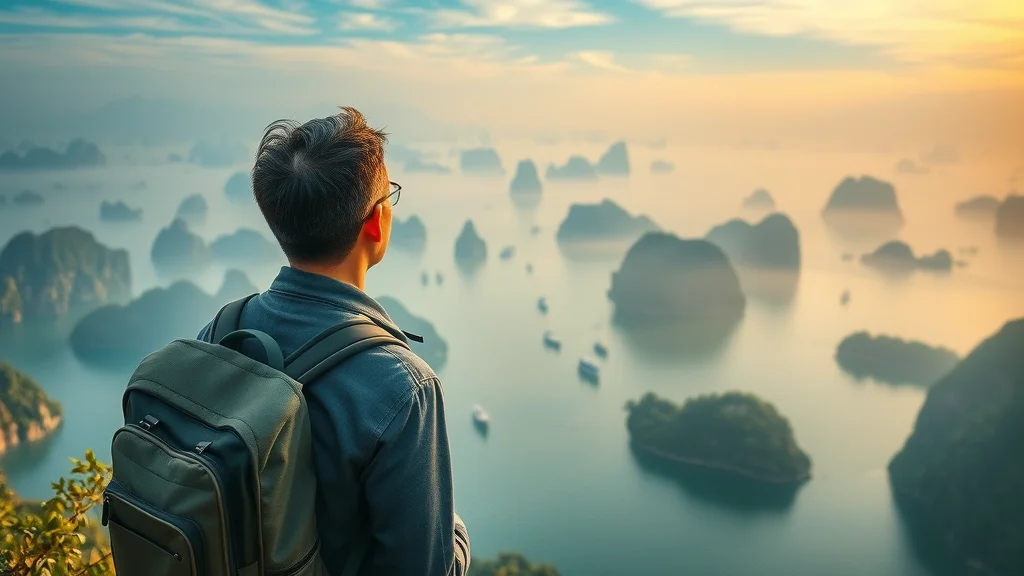
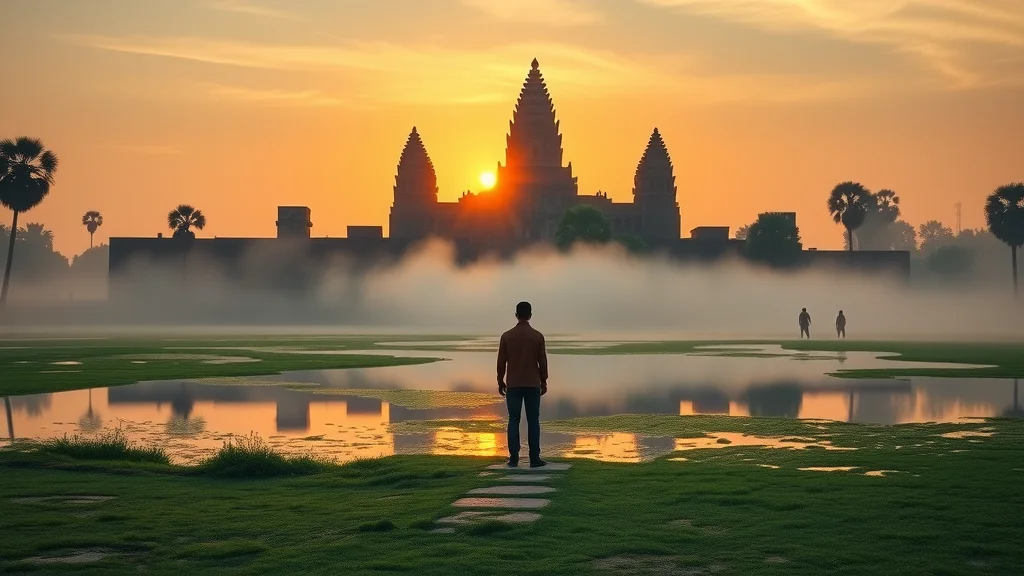
Top 15 Best Places to Visit in Southeast Asia
- Siem Reap & Angkor Wat, Cambodia
- Luang Prabang, Laos
- Ha Long Bay, Vietnam
- El Nido, Philippines
- Kuala Lumpur, Malaysia
- George Town, Penang, Malaysia
- Koh Rong, Cambodia
- Bagan, Myanmar
- Chiang Mai, Thailand
- Bali, Indonesia
- Sapa, Vietnam
- Singapore City, Singapore
- Vientiane, Laos
- Bangkok, Thailand
- Taman Negara National Park, Malaysia
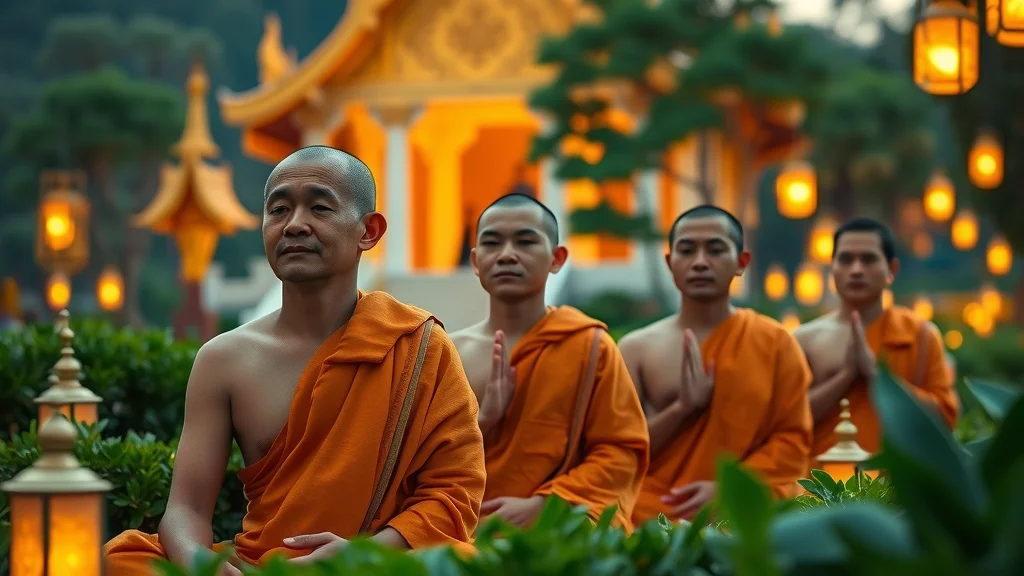
2. Luang Prabang: Laos’ Spiritual Heart
Why Luang Prabang Is One of the Best Places to Visit in Southeast Asia
- Temples, night markets, and natural wonders
With its enchanting blend of gilded Buddhist temples, sleepy French colonial architecture, and a setting at the meeting point of the Mekong and Nam Khan rivers, Luang Prabang is one of Southeast Asia’s favorite places for those seeking peace and authenticity. The city, a UNESCO World Heritage Site, invites you to experience the gentle flow of monastic life—join the morning alms ceremony, venture into bustling night markets, and witness saffron-robed monks move in harmony through ancient streets. Nature lovers flock to Tat Kuang Si waterfalls or take a serene boat trip to the Pak Ou Caves, while food adventurers explore lively food courts offering spicy Laotian dishes. Luang Prabang’s spiritual aura and community warmth create a travel guide destination like no other in Southeast Asia.
Beyond the temples, the city’s riverside markets hum with color and sound, and lush surroundings offer treks to remote villages and views of mist-cloaked mountains. Whether it’s seeking tranquility along the Kuang Si terraces, trying local coffee at a riverside café, or simply soaking in the heritage site’s timeless atmosphere, Luang Prabang proves why it stands among the top places to visit in Southeast Asia.
3. Ha Long Bay: Vietnam’s Emerald Wonder
Cruising Ha Long Bay: Must-See Highlights
- Local legends, scenic cruises, photography tips
Ha Long Bay, Vietnam’s UNESCO World Heritage gem, enchants visitors with its mystical limestone cliffs and emerald waters dotted by thousands of islands. A boat trip here unveils a tapestry of legends—according to local lore, ancient dragons descended into the bay, carving out its otherworldly landscape. Today, travelers glide among the islands, discovering hidden caves, floating fishing villages, and the serene beauty that makes Ha Long one of the most iconic places to visit in Southeast Asia.
Photographers and nature enthusiasts can’t get enough of the ever-changing light and reflections. The best cruises include cooking classes, kayaking among limestone cliffs, and sunrise deck yoga. From sipping Vietnamese coffee on deck to snapping stunning sunrise views, every moment feels magical in Ha Long Bay. Make sure your travel guide includes this unforgettable destination—its allure guarantees a place in your heart and photo album.
4. El Nido: Paradise Found in the Philippines
Best Times to Visit El Nido in Southeast Asia
- Pristine beaches, wildlife, lagoon tours
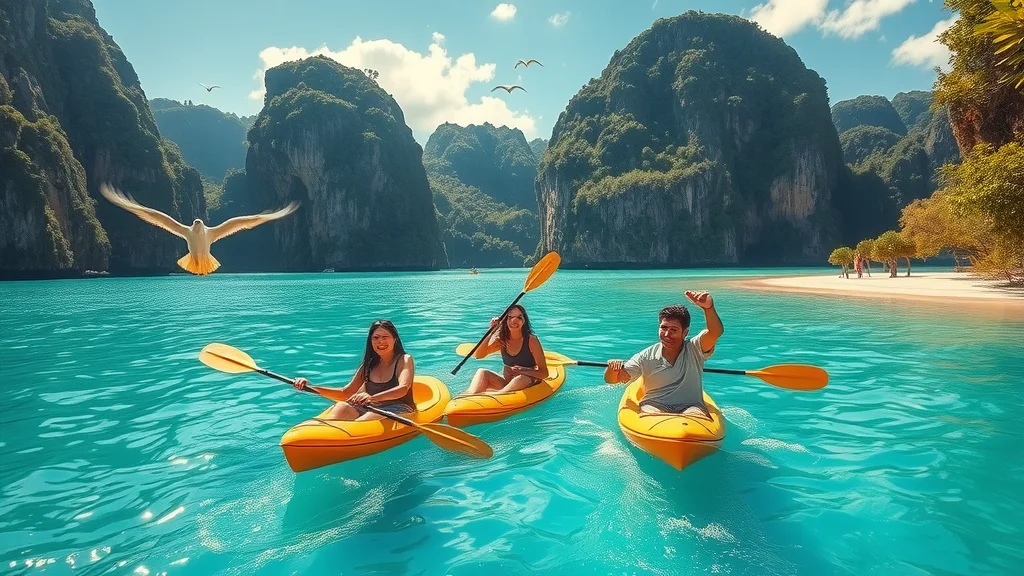
El Nido in the Philippines is the definition of paradise: turquoise lagoons, powdery beaches, dramatic karst cliffs, and incredibly clear waters. Known for its breathtaking scenery, El Nido is a bucket-list favorite place for both adventurers and those seeking total relaxation in Southeast Asia. The best time to visit is during the dry season (December to May), when sunny skies and calm seas create perfect conditions for boat trips, snorkeling, and kayaking.
Beyond its stunning beaches, El Nido offers close encounters with vibrant marine life and opportunities to explore hidden lagoons on guided tours. Whether you’re joining a gap year group, traveling solo, or seeking a romantic getaway, the raw beauty of El Nido’s landscapes is unforgettable. Don’t miss the chance to explore secluded coves, try fresh seafood at a beach food court, or simply bask in the sun with the dramatic limestone cliffs as your backdrop—El Nido truly embodies the natural spirit of Southeast Asia’s best places.
5. Kuala Lumpur: Malaysia’s Modern Metropolis
Top Things to Do in Kuala Lumpur, Southeast Asia
- Petronas Towers, street food, cultural contrasts
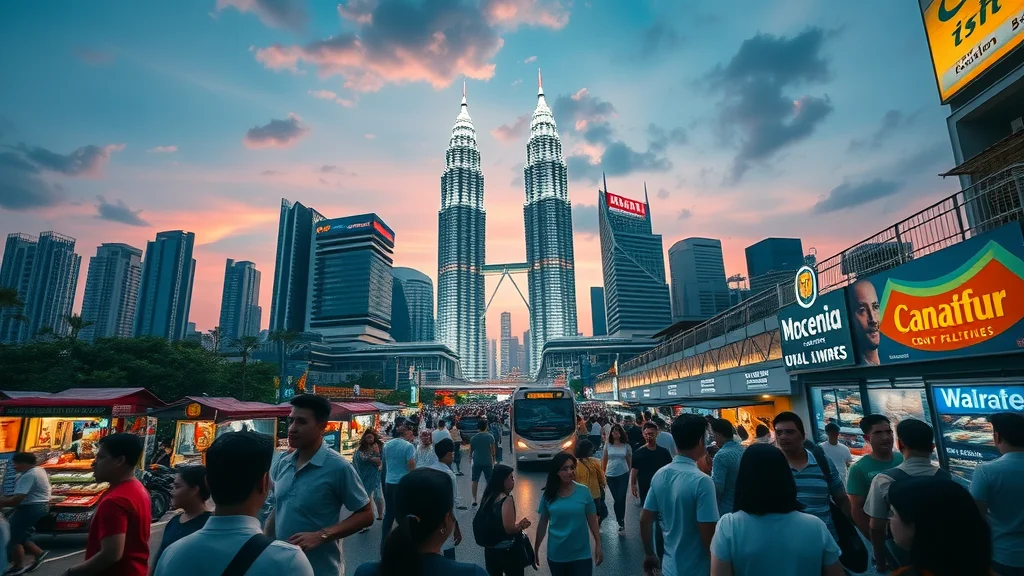
Kuala Lumpur, the beating heart of Malaysia, shimmers with a dynamic blend of futuristic skyscrapers, lush parks, and multicultural neighborhoods. At the city’s core, the twin spires of the Petronas Towers soar above a vibrant landscape of mega-malls, historic mosques, and lively street markets. John, a recent solo traveler, describes it as his “favorite place for urban adventure and authentic SE Asia cuisine.”
Exploring Kuala Lumpur means tasting an array of flavors in bustling food courts, from spicy satay to aromatic nasi lemak. Beyond the food, visit the impressive Batu Caves, stroll through atmospheric Chinatown, or unwind at the botanical gardens. As night falls, the city’s skyline glows with neon, street markets come alive, and rooftop bars offer sweeping views—a true South East Asia travel guide highlight for every type of traveler.
6. George Town, Penang: Heritage & Flavors
Exploring Penang’s Street Art and Food Scene
- UNESCO heritage, best street foods, art walks
George Town in Penang is a UNESCO World Heritage Site celebrated for its unique mix of colonial architecture, vibrant street art, and culinary sensations. You'll find winding alleyways draped with murals, quirky cafes, and food courts serving legendary laksa, char kway teow, and Peranakan treats. Join a food or art walk to soak in the stories behind the city’s heritage shophouses and colorful murals, then visit age-old temples tucked amid aromatic food stalls.
This energetic city is equally mesmerizing at night, when lantern-lit streets pulse with laughter and flavors. Whether you’re seeking cultural immersion, a food lover’s paradise, or simply one of the best places to visit in Southeast Asia, George Town delivers an experience that lingers long after your journey ends.
7. Koh Rong: Pristine Beaches Off Cambodia
Koh Rong: A Hidden Gem in Southeast Asia
- Snorkeling, nightlife, tips for sustainable travel
Seeking a perfect beach escape? Koh Rong, off Cambodia's southern coast, is the answer. With sugar-white sand, dazzling turquoise waters, and a laid-back vibe, Koh Rong is a favorite place for both backpackers and families. Dive in with snorkeling trips among coral reefs, relax in beachfront hammocks, or dance the night away under starry skies. For the conscious traveler, Koh Rong also offers opportunities for eco-volunteering and supports local sustainable tourism initiatives.
As dusk falls, gather with friends around a beach bonfire, watch the bioluminescent plankton glow in the surf, and let the island rhythm work its magic. Koh Rong's untouched charm ensures it stands out among the best places to visit in Southeast Asia—and for many, becomes a hidden paradise you’ll always want to revisit.

8. Bagan, Myanmar: Temples and Sunsets
Why Bagan Should Be On Your Southeast Asia Itinerary
- Temple-hopping, hot air balloon rides
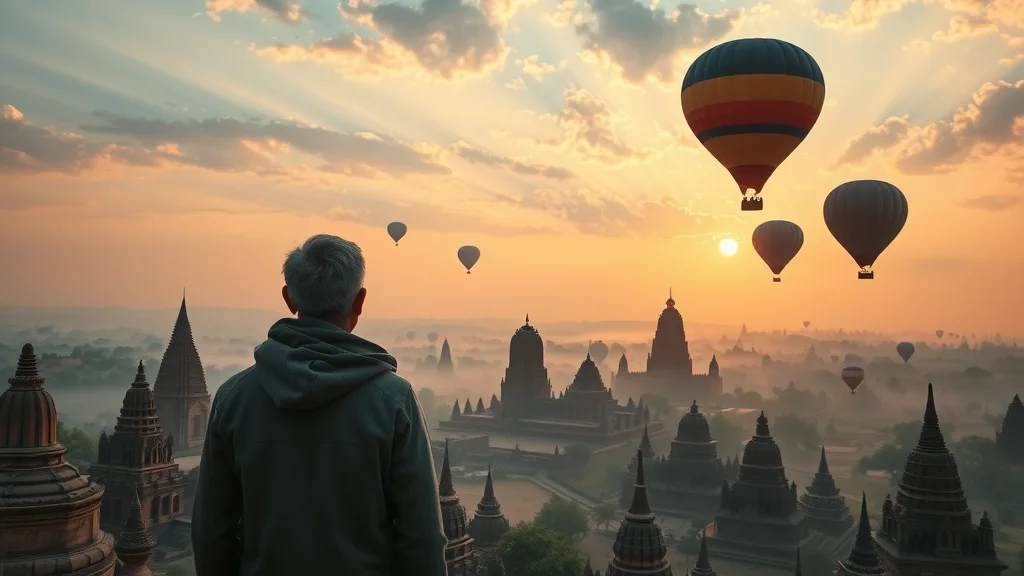
No list of the best places to visit in Southeast Asia is complete without Bagan—a breathtaking temple complex in central Myanmar. Imagine exploring more than 2,000 ancient temples by e-bike, watching a hot air balloon rise above the spires at dawn, and marveling at the endless landscape of pagodas and sacred monuments. It’s a mystical scene straight out of an epic travel guide, beloved by photographers and soul-seekers alike.
Beyond sunrise vistas, Bagan’s rich history and peaceful rural setting encourage slow exploration. Join a guided temple tour, picnic beside the Irrawaddy River, or interact with local artisans in bustling markets. Each moment offers a deeper connection to Myanmar’s Buddhist heritage and a timeless wonder found only in Southeast Asia.
9. Chiang Mai, Thailand: Culture and Adventure
Best Cultural Sites and Activities in Chiang Mai
- Temples, night bazaars, elephant sanctuaries
Chiang Mai is northern Thailand's cultural hub, where golden temples and fragrant night bazaars beckon visitors from every corner of the world. Travelers flock here to explore the city’s ancient moats, climb the steps of Doi Suthep temple for sweeping city views, and negotiate for handicrafts in bustling markets. Elephant lovers can also support ethical sanctuaries, enjoying close wildlife encounters while contributing to sustainable tourism in Southeast Asia.
Adventure seekers will find jungle treks, mountain biking, and cultural workshops, while foodies can indulge in northern Thai delicacies at local food courts. The combination of tradition, adventure, and hospitality makes Chiang Mai a top pick among the best places to visit in southeast Asia for every kind of traveler—especially those on solo travel journeys or seeking meaningful cultural exchange.
10. Bali: Island of the Gods
Exploring Bali: Beaches, Temples, and Culture
- Surf spots, rice terraces, wellness retreats
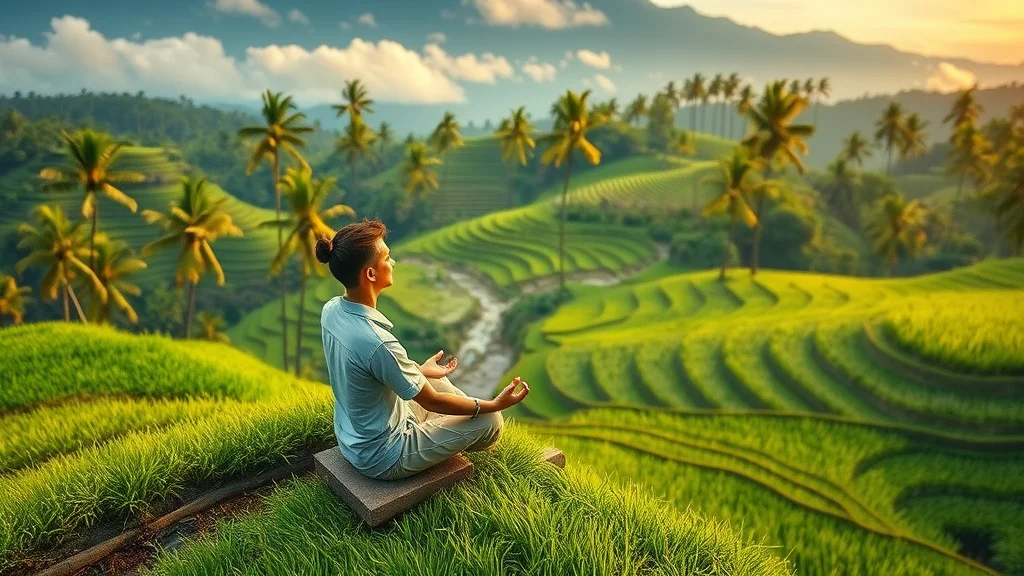
Bali, often called the Island of the Gods, weaves magic at every turn—surf waves crash on golden shores, lush rice terraces ripple in the breeze, and temples glow with the light of a thousand rituals. From lively party strips in Kuta to peaceful wellness retreats in Ubud, Bali embraces all types of travelers with open arms. It’s a destination as famous for its spiritual energy and yoga resorts as for its world-class diving and surfing.
For the culturally curious, join temple celebrations, learn Balinese dance, or wander through traditional markets bursting with color. Nature lovers can hike volcanic peaks at sunrise or simply meditate among the emerald terraces. Bali’s local cuisine, from sizzling sate lilit to fragrant nasi campur, is the epitome of Southeast Asia’s culinary diversity—and another reason this is one of the best places to visit in the region.
11. Sapa: Vietnam’s Mountainous Escape
Trekking and Tribal Encounters in Sapa
- Rice terraces, hill tribes, best trekking seasons
Sapa, in northern Vietnam, is a dream for nature lovers and adventure travelers. Here, rippling rice terraces sculpt the mountainsides, and cool mist rolls over colorful villages home to the Hmong and Dao peoples. Plan your visit from March to May or September to November for the best trekking conditions. Guided hikes offer immersion into a vibrant local culture entirely different from bustling cities or the tropical coastline.
Sapa is well-known for its awe-inspiring trekking routes, cozy mountain homestays, and opportunities to connect with the customs and crafts of Vietnam’s hill tribes. Whether you’re on a gap year or yearning for a unique southeast Asian journey, Sapa delivers challenging adventure matched by breathless beauty—a must on your list of the best places to visit in Southeast Asia.
12. Singapore City: Urban Oasis in Southeast Asia
Best Attractions in Singapore City
- Gardens by the Bay, Marina Bay Sands, hawker centers
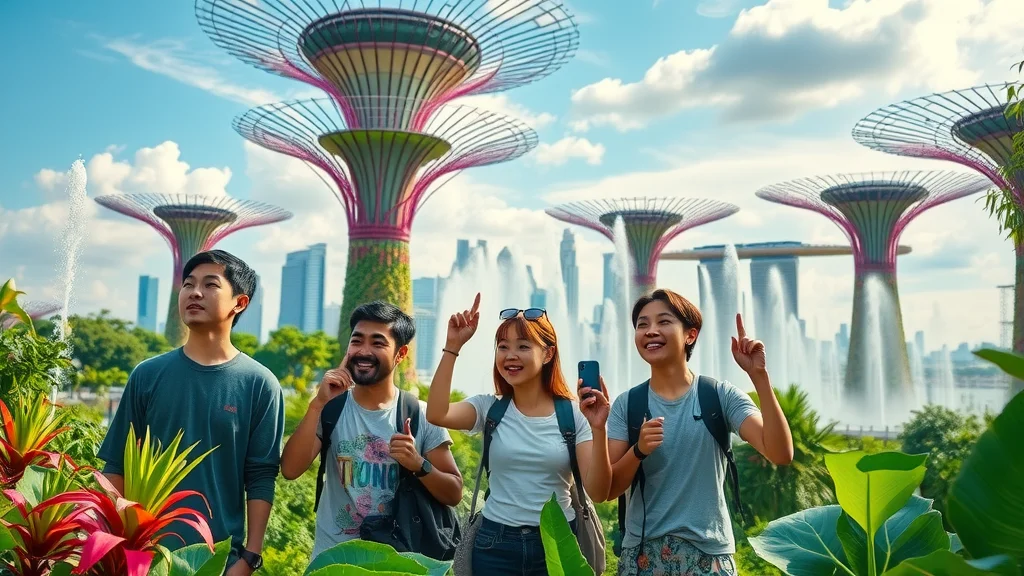
Singapore is Southeast Asia’s most futuristic city, seamlessly blending nature, art, and innovative architecture. Don’t miss the iconic Supertree Grove at Gardens by the Bay—an immersive spectacle by day or night. At Marina Bay Sands, infinity pools and panoramic city views enchant luxury lovers, while hawker centers delight foodies with some of the best street eats in the world.
From green spaces on Sentosa Island to historic Chinatown, Singapore guarantees clean streets, warm multiculturalism, and endless discoveries. It’s a unique stop in your southeast Asia travel guide—ideal for city lovers, families, and layovers on a bigger journey across countries in Southeast Asia.
13. Vientiane: Laid-Back Capital of Laos
Top Things to See and Do in Vientiane
- Patuxai Monument, riverside markets
Vientiane, the sleepy riverside capital of Laos, charms with its relaxed pace, French-inspired cafes, and golden temples scattered across leafy boulevards. Don’t miss the impressive Patuxai Monument (a Laos version of the Arc de Triomphe) or the tranquil morning buzz of riverside markets.
Wandering Vientiane is about savoring small moments—tasting sticky rice, sipping Lao coffee, or watching the sunset over the Mekong. It’s perfect for escaping the crowds and experiencing authentic Lao hospitality—a hidden jewel among the best places to visit in Southeast Asia.
14. Bangkok: Southeast Asia’s Vibrant Capital
Bangkok Nightlife and Hidden Charms
- Temples, street food, river tours
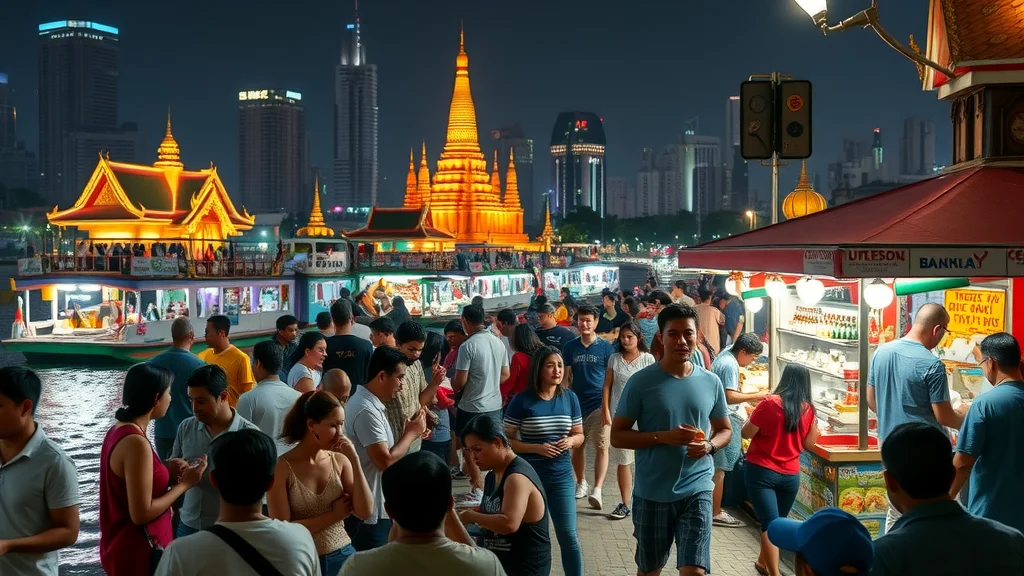
Bangkok is a city on fire—in the best way possible. Temples glisten in the daylight, markets sizzle with local flavors by night, and the Chao Phraya river winds past neon-lit boats and historic landmarks. Seek out peaceful temple complexes in the Old City before diving into the buzzing energy of night markets and legendary street food scenes.
Indulge in a river tour for a new perspective on the metropolis, sample everything from spicy som tam to coconut ice cream, and lose yourself in the kaleidoscopic chaos that makes Bangkok a must for solo travelers and city enthusiasts alike. Whether it’s your first stop or your last, this southeast Asian capital leaves a lasting impression.
15. Taman Negara National Park: Malaysia’s Ancient Rainforest
Why Taman Negara National Park Is a Must-Visit in Southeast Asia
- Rainforest trails, canopy walks, wildlife
Malaysia’s Taman Negara National Park is one of the world’s oldest rainforests, spanning vibrant jungle trails, wild rivers, and spectacular canopy walkways. Prepare for adventurous jungle treks, thrilling wildlife encounters, and the opportunity to spot rare hornbills or the occasional Malayan tiger. Journey through the park’s dense heart via riverboat, or cross rope bridges high in the treetops for unforgettable views.
Eco-tourists and thrill-seekers alike praise Taman Negara as a must for seeing Southeast Asia’s natural wonders. The park is living proof of the region’s commitment to sustainable travel and biodiversity conservation, making it one of the best places to visit for true nature lovers.

Best National Parks to Visit in Southeast Asia
- Taman Negara National Park, Malaysia (Biodiversity, canopy walks, jungle trekking)
- Khao Sok National Park, Thailand (Rugged limestone cliffs, floating lake resorts, eco-adventures)
- Bako National Park, Malaysia (Proboscis monkeys, mangrove trails, coastal rock formations)
- Komodo National Park, Indonesia (Famed Komodo dragons, coral reefs, snorkeling/diving)
- Bukit Lawang, Indonesia (Orangutans, wild rivers, rainforest trekking)
East Asia vs. Southeast Asia: What’s the Difference for Travelers?
- While both regions captivate with rich history and stunning scenery, Southeast Asia is known for its tropical beaches, ancient temples, and affordability—ideal for backpackers and relaxed explorers. East Asia boasts fast-paced megacities, dramatic mountain landscapes, and a focus on tradition meeting modernity (think Tokyo, Seoul, and Beijing). Geographically, Southeast Asia encompasses the region south of China, stretching from Myanmar to Indonesia, while East Asia includes China, Japan, Korea, and Taiwan. Your choice depends on your travel style: Southeast Asia for warm hospitality and adventure, East Asia for cultural intricacies, urban thrills, and dramatic seasonal changes.
Insider Tips for Enjoying the Best Places to Visit in Southeast Asia
- Stay Safe: Use only reputable travel agencies for boat trip bookings and national park treks. Keep important documents secure, and be mindful when sharing affiliate links or travel details.
- Local Etiquette: Respect cultural norms—dress modestly in temples, remove shoes when required, and learn a few local phrases for connection.
- Budget Smart: Southeast Asia is famously affordable, but always compare prices, especially in tourist hotspots. Many food courts and street stalls offer delicious meals at a fraction of the cost of restaurants.
- Best Travel Times: Plan around weather—dry season (generally November–April) is best for most countries in Southeast Asia, though exact months vary by destination.
| Country | Highlight | Best Time to Visit |
|---|---|---|
| Cambodia | Angkor Wat, Koh Rong | November – March |
| Vietnam | Ha Long Bay, Sapa | March – May, September – November |
| Laos | Luang Prabang, Vientiane | November – February |
| Thailand | Bangkok, Chiang Mai | November – March |
| Malaysia | Kuala Lumpur, Taman Negara | March – October |
| Philippines | El Nido | December – May |
| Indonesia | Bali | April – October |
Expert Perspectives: Why Southeast Asia Is Unforgettable
"Travelers often find that one visit to Southeast Asia is never enough—each place leaves you longing for more adventures."
Whether you seek the tranquility of Buddhist temples, the pulse of night markets, or the wild embrace of rainforests and beaches, Southeast Asia’s richness draws you back time and again. Seasoned travelers often express that the region’s combination of affordability, adventure, and warmth is unmatched anywhere else in the world.
Best Places to Visit in Southeast Asia: Ideal Itineraries
- 1 Week: Focus on one country, e.g., Cambodia (Siem Reap & Phnom Penh), Vietnam (Hanoi & Ha Long Bay), or Thailand (Bangkok & Chiang Mai).
- 2 Weeks: Combine two countries or explore a longer route: Thailand + Laos, Vietnam + Cambodia, or a highlights tour of Malaysia and Singapore.
- 1 Month: Embrace a regional adventure: Vietnam, Cambodia, Laos, Thailand, and Malaysia—allowing time for both major sites and hidden gems.
Frequently Asked Questions About the Best Places to Visit in Southeast Asia
Which country in Southeast Asia is best to visit?
- Answer: Each country offers something unique, but Thailand, Vietnam, and Indonesia are among the most popular for culture, scenery, and affordability. Whether you’re into solo travel, cuisine, or wild landscapes, you’ll find your dream journey in Southeast Asia.
What is the most beautiful country in Southeast Asia?
- Answer: Beauty is subjective, but many travelers are captivated by Vietnam’s stunning natural landscapes (like Ha Long Bay and Sapa), the Philippines’ countless islands, and the serene lushness of Laos.
What is the most popular tourist destination in Southeast Asia?
- Answer: Angkor Wat near Siem Reap is arguably the most popular single destination; Bangkok and Bali are also top choices thanks to their iconic culture and attractions.
Where to go in Southeast Asia for a week?
- Answer: For a short one-week trip, focus on one country: Thailand (Bangkok & Chiang Mai), Vietnam (Hanoi & Ha Long Bay), or Cambodia (Siem Reap & Phnom Penh) to dive deep into the culture and highlights.
Key Takeaways: Planning Your Journey to the Best Places to Visit in Southeast Asia
- Southeast Asia offers diverse destinations suited for every traveler, from sun-seekers to culture lovers, adventure junkies to food explorers.
- Understanding cultural and regional differences enhances your travel, so approach each country with curiosity and respect—and be open to surprises along the way!
Conclusion: Embrace the Adventure of Southeast Asia
- The best places to visit in Southeast Asia promise connection, discovery, and memories for a lifetime. Pack your bags—the journey of a thousand smiles begins now.
Share Your Experiences Visiting Southeast Asia
- Please like, share and comment on this article—let us know your favorite places and stories, and help other travelers find their perfect adventure!


Write A Comment